
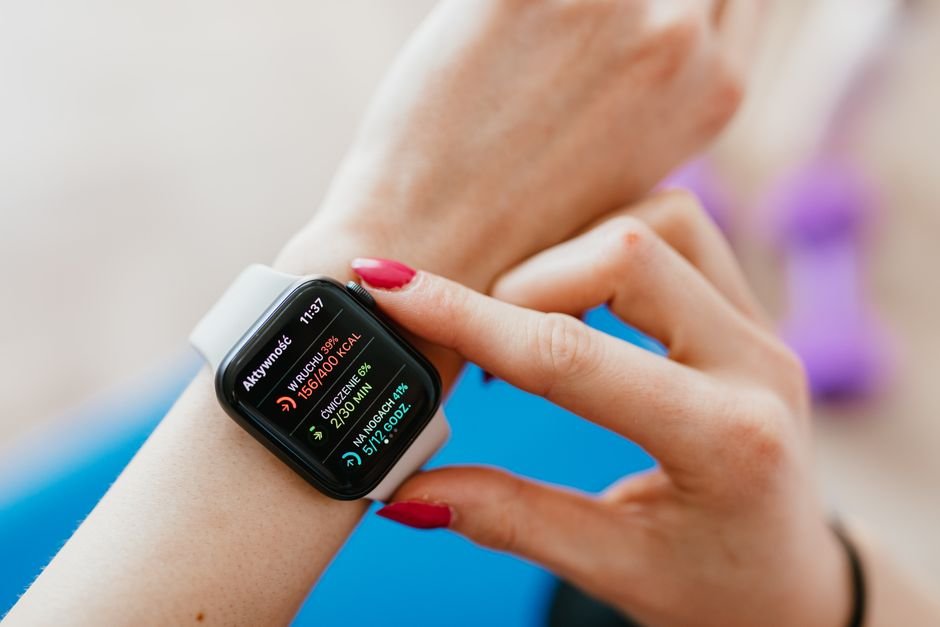
Your Wrist’s Vital Signs: The Smartwatch as the Ultimate Heart Rate & SpO2 Companion for Men and Women
In the rapidly evolving landscape of personal health technology, the smartwatch has transcended its role as a mere timekeeper or notification hub. Today, it stands as a sophisticated and indispensable tool for monitoring our most critical physiological indicators: heart rate and blood oxygen saturation (SpO2). For both men and women, these smartwatches are no longer a luxury but a proactive approach to understanding and managing personal well-being, offering unparalleled insights into cardiovascular health and respiratory function.
Understanding the Core Metrics: Heart Rate and SpO2
Before delving into the smartwatch’s capabilities, it’s crucial to grasp the significance of heart rate and SpO2.
Heart Rate: This represents the number of times your heart beats per minute (bpm). A resting heart rate typically falls between 60-100 bpm for adults. Variations can indicate fitness levels, stress, illness, or exertion. For athletes, a lower resting heart rate often signifies improved cardiovascular efficiency. For individuals concerned about cardiovascular health, monitoring heart rate trends can provide early warnings of potential issues like arrhythmias or overexertion.
Blood Oxygen Saturation (SpO2): This measures the percentage of hemoglobin in your blood that is carrying oxygen. A healthy SpO2 level for most individuals is between 95% and 100%. Levels below 90% can indicate hypoxemia, a condition requiring medical attention. SpO2 monitoring is particularly vital for individuals with respiratory conditions like COPD or asthma, those experiencing sleep apnea, or even during strenuous physical activity at high altitudes.
The Smartwatch Advantage: Seamless, Continuous Monitoring
Traditional methods of measuring heart rate (manual pulse checks) and SpO2 (pulse oximeters) are often sporadic and can be inconvenient. Smartwatches, however, revolutionize this by offering:
- Continuous Monitoring: Sophisticated optical sensors embedded in the watch’s underside use photoplethysmography (PPG) to detect blood flow beneath the skin. This allows for real-time, continuous tracking of heart rate throughout the day and night. Many models also offer on-demand SpO2 readings, and some even provide overnight SpO2 tracking, crucial for identifying potential sleep disturbances.
- Accessibility and Convenience: Simply wearing the smartwatch on your wrist provides constant data collection. No need for manual intervention or separate devices. This ease of use encourages consistent tracking, leading to a more comprehensive understanding of your health patterns.
- Trend Analysis: Beyond instantaneous readings, smartwatches excel at identifying trends over time. By collecting data points across hours, days, weeks, and months, they can reveal patterns related to activity levels, sleep quality, stress, and potential health anomalies. This historical data is invaluable for both personal insights and discussions with healthcare professionals.
- Actionable Insights: Many smartwatch platforms translate raw data into easily digestible insights. They might alert you to unusually high or low heart rates, significant drops in SpO2, or periods of irregular heart rhythm. This proactive notification system empowers users to take immediate action, whether it’s resting, seeking medical advice, or adjusting their lifestyle.
Key Features for Heart Rate and SpO2 Tracking in Smartwatches:
When choosing a smartwatch for these vital metrics, consider the following features:
- Accuracy of Sensors: Look for reputable brands known for their advanced sensor technology. While consumer-grade devices are not medical-grade, accuracy has significantly improved. Reviews and independent testing can provide valuable insights into sensor performance.
- Heart Rate Zone Tracking: This feature categorizes your heart rate into different zones (e.g., fat burn, cardio, peak) based on your maximum heart rate. This is invaluable for optimizing workouts and ensuring you’re training effectively for your fitness goals.
- Irregular Heart Rhythm Notifications: Some advanced smartwatches can detect signs of atrial fibrillation (AFib), a common heart rhythm disorder. These notifications are not a diagnosis but a prompt to consult a doctor.
- SpO2 Measurement Frequency and Accuracy: For SpO2, consider how often you can take readings and the reported accuracy. On-demand readings are standard, but overnight tracking offers a more holistic view of respiratory health during sleep.
- Sleep Tracking Integration: SpO2 levels can fluctuate significantly during sleep. Smartwatches that integrate SpO2 data with detailed sleep stage tracking (light, deep, REM) provide a powerful correlation between sleep quality and oxygenation.
- GPS and Activity Tracking: For athletes and fitness enthusiasts, GPS and comprehensive activity tracking are essential. Monitoring heart rate and SpO2 during specific workouts provides context for performance and recovery.
- Companion App and Data Visualization: The accompanying smartphone app is crucial. It should offer clear, intuitive visualizations of your heart rate and SpO2 data, allowing you to track trends, set goals, and export data if needed.
- Battery Life: Continuous monitoring, especially overnight, can impact battery life. Consider your usage patterns and choose a watch that offers sufficient battery life for your needs.
- Water Resistance: If you plan to use your smartwatch for swimming or other water-based activities, ensure it has adequate water resistance ratings.
Smartwatch Benefits for Men and Women:
The advantages of using a smartwatch for heart rate and SpO2 monitoring are universal, but some specific applications resonate strongly with different demographics.
For Men:
- Cardiovascular Health Awareness: Men, statistically, have a higher risk of heart disease. Proactive monitoring of heart rate and SpO2 can provide early warning signs, encouraging healthier lifestyle choices and timely medical intervention.
- Performance Optimization: For active men, understanding heart rate zones during workouts helps maximize training effectiveness, improve endurance, and prevent overtraining. SpO2 monitoring during high-altitude activities or intense training can highlight potential oxygen limitations.
- Stress Management: Elevated heart rates can be a direct indicator of stress. By tracking heart rate fluctuations throughout the day, men can identify stress triggers and implement management techniques.
- Sleep Apnea Detection: While not diagnostic, persistent low SpO2 readings during sleep can be an indicator of sleep apnea, prompting a conversation with a doctor.
For Women:
- Menstrual Cycle Correlation: Hormonal fluctuations throughout the menstrual cycle can influence resting heart rate and even SpO2. Some advanced smartwatches can help users track these subtle changes, offering insights into their bodies.
- Pregnancy Monitoring: During pregnancy, a woman’s heart rate naturally increases. Monitoring these changes and ensuring adequate oxygenation can be beneficial, though it’s crucial to consult with a healthcare provider for specific guidance.
- Fitness and Wellness Goals: Women often use smartwatches to track their fitness journeys, manage weight, and improve overall well-being. Heart rate and SpO2 data provide valuable feedback on exercise intensity and recovery.
- Post-Menopause Health: As women approach and go through menopause, cardiovascular health becomes a significant concern. Continuous monitoring can help detect potential issues and encourage proactive management.
- Stress and Anxiety Management: Similar to men, smartwatches can help women identify stress triggers by monitoring heart rate patterns. This can empower them to implement coping strategies.
Choosing the Right Smartwatch: Brands and Considerations
The market is flooded with excellent smartwatches offering robust heart rate and SpO2 tracking. Some leading brands and their strengths include:
- Apple Watch (Series 8, Ultra): Renowned for its accuracy, seamless ecosystem integration, and advanced health features, including ECG and blood oxygen monitoring.
- Samsung Galaxy Watch (5 Pro, 5): Offers comprehensive health tracking, including body composition analysis, advanced sleep tracking, and accurate SpO2 and heart rate monitoring.
- Garmin (Venu 2 Plus, Forerunner series): A favorite among athletes, Garmin excels in detailed performance metrics, advanced GPS, and robust heart rate and SpO2 tracking, often with excellent battery life.
- Fitbit (Sense 2, Versa 4): Known for its user-friendly interface, strong community features, and reliable health tracking, including SpO2 and stress management tools.
- Amazfit (GTR 4, GTS 4): Offers a compelling balance of features, performance, and affordability, with impressive battery life and accurate health monitoring capabilities.
When making your selection, consider not just the raw features but also the user interface, app experience, and how well the smartwatch integrates into your existing technology ecosystem.
The Future of Smartwatch Health Monitoring:
The evolution of smartwatch technology is relentless. We can anticipate even greater accuracy, more sophisticated algorithms for detecting subtle health anomalies, and deeper integration with healthcare providers. Future iterations may offer:
- Non-invasive Blood Glucose Monitoring: A holy grail for diabetes management, this technology is actively being researched and could revolutionize health monitoring.
- Hydration and Stress Level Monitoring: Advanced sensors may be able to estimate hydration levels and even provide more nuanced stress assessments beyond heart rate variability.
- Personalized Health Coaching: AI-powered insights will become even more sophisticated, offering tailored advice and interventions based on your unique data.
In conclusion, the smartwatch has firmly established itself as the ultimate heart rate and SpO2 companion for both men and women. By providing continuous, accessible, and insightful data, these devices empower individuals to take a proactive stance in managing their cardiovascular and respiratory health, ultimately contributing to a longer, healthier, and more informed life.