
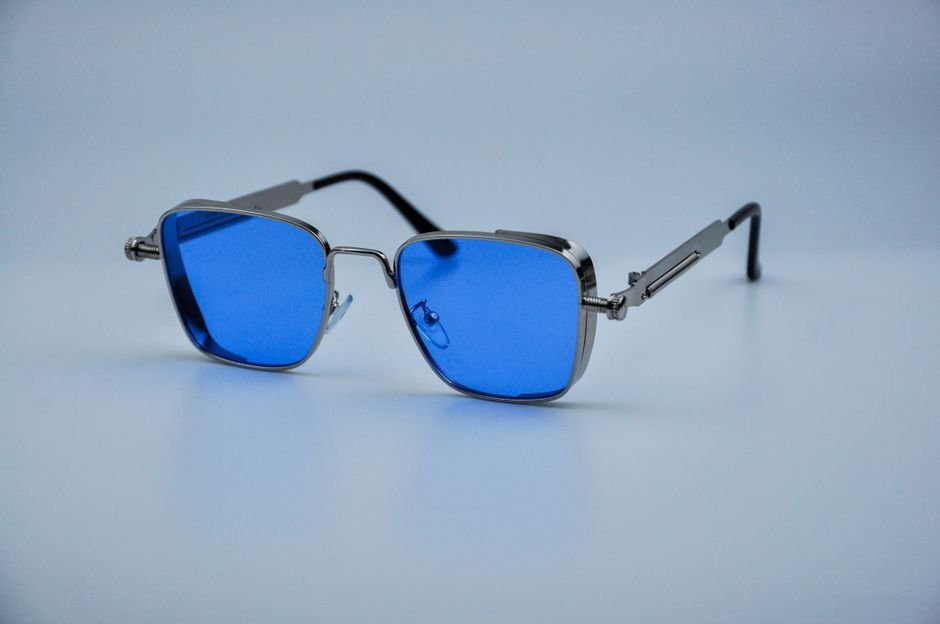
Shield Your Sight: The Crucial Role of UV Protection in Men’s Sunglasses
The modern man understands that style and substance go hand-in-hand, and this principle extends to the eyewear he chooses. While a sleek pair of sunglasses can elevate any outfit, their primary function is far more profound: safeguarding the delicate structures of the eye from the damaging effects of ultraviolet (UV) radiation. This article delves into the critical importance of UV protection when selecting men’s sunglasses, equipping you with the knowledge to make informed choices that prioritize both aesthetic appeal and long-term ocular health.
Understanding the Invisible Threat: What is UV Radiation?
UV radiation, an invisible component of sunlight, is categorized into three main types: UVA, UVB, and UVC. While the Earth’s ozone layer effectively absorbs UVC rays, UVA and UVB rays penetrate the atmosphere and reach our eyes. These wavelengths, though unseen, can inflict significant damage over time.
- UVA Rays: These longer wavelengths penetrate deep into the eye, reaching the lens and retina. Prolonged exposure to UVA rays is linked to premature aging of the eye’s tissues, contributing to conditions like cataracts and macular degeneration. They are present throughout the day, even on cloudy days, and can penetrate windows.
- UVB Rays: These shorter, more intense wavelengths are primarily responsible for sunburn on the skin and can also cause immediate damage to the cornea, leading to a painful condition known as photokeratitis (or “snow blindness”). UVB exposure is strongest during midday and at higher altitudes.
The cumulative impact of both UVA and UVB radiation on the eyes can have serious, long-term consequences. Ignoring UV protection in your sunglasses is akin to leaving your skin unprotected from the sun – the damage may not be immediately apparent, but it is undeniably occurring.
Why UV Protection is Non-Negotiable for Men’s Sunglasses
The misconception that darker lenses offer superior UV protection is a dangerous one. Lens darkness, or tint, primarily affects visible light transmission – how much light enters your eye, influencing comfort and reducing glare. UV protection, however, is a separate, chemical treatment applied to the lens material or integrated during its manufacturing process.
-
Preventing Long-Term Eye Diseases: The most significant benefit of UV-blocking sunglasses is their role in preventing or delaying the onset of serious eye conditions.
- Cataracts: UV radiation accelerates the clouding of the eye’s natural lens, a condition known as cataracts, which impairs vision and often requires surgery. Studies have shown a strong correlation between cumulative UV exposure and cataract formation.
- Macular Degeneration: This progressive eye disease affects the macula, the central part of the retina responsible for sharp, detailed vision. UV exposure is a known risk factor for developing and worsening age-related macular degeneration (AMD).
- Pterygium: This is a non-cancerous growth of the conjunctiva (the clear membrane covering the white part of the eye) that can extend onto the cornea, potentially affecting vision. UV exposure is a primary cause of pterygium.
- Photokeratitis: While often temporary, the pain and discomfort of photokeratitis are significant. Consistent exposure without protection can lead to chronic eye irritation.
-
Protecting Delicate Eye Tissues: The eyelids and the skin around the eyes are also vulnerable to UV damage, contributing to premature aging, wrinkles, and even skin cancer. Wraparound sunglasses with good coverage offer an additional layer of protection for these sensitive areas.
-
Maintaining Clear Vision: By filtering out harmful UV rays, sunglasses help preserve the clarity and quality of your vision throughout your life. Investing in UV protection is an investment in your future visual well-being.
Decoding the Labels: What to Look For
When shopping for men’s sunglasses, understanding the labeling is paramount. Don’t be swayed by brand names or trendy styles alone. Prioritize the UV protection claims.
- “100% UV Protection” or “UV 400”: This is the gold standard. It signifies that the lenses block all harmful UVA and UVB rays up to 400 nanometers. This is the most comprehensive level of protection and should be your primary requirement.
- CE Mark: In Europe, the CE (Conformité Européenne) mark indicates that the sunglasses meet EU safety standards, including UV protection. However, it doesn’t specify the exact percentage of UV blocked, so look for additional labeling if possible.
- ANSI Z80.3 Standards: In the United States, sunglasses meeting ANSI Z80.3 standards are considered safe and offer a certain level of UV protection. However, explicitly seeking “100% UV protection” or “UV 400” is more definitive.
Lens Material and UV Protection: A Deeper Dive
The material from which sunglasses lenses are made plays a role in their UV-blocking capabilities, though it’s often enhanced through coatings.
- Polycarbonate Lenses: These are a popular choice for sunglasses due to their inherent impact resistance and lightweight nature. Polycarbonate naturally blocks a significant amount of UV radiation, often close to 100%. They are an excellent option for active lifestyles and sports.
- CR-39 (Plastic) Lenses: Standard plastic lenses offer less inherent UV protection than polycarbonate. However, they can be treated with UV-blocking coatings to achieve 100% UV protection.
- Glass Lenses: While glass offers excellent scratch resistance and optical clarity, it provides minimal inherent UV protection. Therefore, glass lenses must have specialized UV-blocking coatings applied.
Beyond UV: Other Important Considerations for Men’s Sunglasses
While UV protection is the cornerstone of healthy eyewear, several other factors contribute to the overall quality and functionality of men’s sunglasses.
-
Lens Color and Tint:
- Gray: Reduces brightness without distorting colors, making it ideal for general use and driving.
- Brown/Amber: Enhances contrast and depth perception, beneficial for driving and outdoor activities where judging distances is important.
- Green: Offers good contrast and color accuracy, suitable for various conditions.
- Yellow/Orange: Enhances contrast in low-light conditions, excellent for overcast days or sports like skiing.
- Rose/Red: Can improve contrast and reduce eye strain in bright conditions, often favored by cyclists.
-
Polarization: This is a crucial feature for reducing glare. Polarized lenses have a special filter that blocks intense reflected light from surfaces like water, snow, roads, and car hoods. This significantly improves visual clarity and reduces eye strain, especially during activities like fishing, boating, or driving. While polarization doesn’t directly relate to UV protection, it significantly enhances visual comfort and safety.
-
Lens Coatings:
- Anti-Reflective (AR) Coating: Reduces reflections on the back surface of the lens, improving clarity and reducing eye strain, especially when light sources are behind you.
- Scratch-Resistant Coating: Enhances the durability of the lens, preventing minor abrasions.
- Hydrophobic/Oleophobic Coating: Repels water and oil, making lenses easier to clean and less prone to smudging.
-
Frame Style and Fit:
- Wraparound Styles: These offer superior peripheral protection, blocking UV rays and wind from entering from the sides. They are ideal for sports and outdoor activities.
- Aviator and Wayfarer Styles: Classic choices that offer good coverage, but ensure they fit snugly to minimize light leakage.
- Fit: Sunglasses should fit comfortably and securely on your face without pinching or slipping. A proper fit ensures optimal coverage and prevents light from entering around the edges.
Making the Smart Choice: A Practical Guide
- Prioritize “100% UV Protection” or “UV 400”: This should be the absolute first criterion. Do not compromise on this.
- Consider Your Lifestyle: If you spend a lot of time outdoors, engaging in sports or water activities, opt for wraparound styles with polarization and impact-resistant polycarbonate lenses.
- Don’t Be Fooled by Dark Lenses: Lens darkness is about comfort, not UV protection.
- Read the Labels Carefully: Look for explicit UV protection claims. If in doubt, ask a sales associate.
- Invest in Quality: While affordable options exist, higher-quality sunglasses often use better materials and coatings, ensuring longer-lasting UV protection and durability.
- Replace Damaged Lenses: If your sunglasses lenses are scratched or damaged, their UV-blocking capabilities may be compromised. Replace them promptly.
By understanding the critical role of UV protection and making informed choices, men can select sunglasses that not only enhance their personal style but also provide essential defense against the long-term damage caused by the sun’s invisible rays, preserving their vision for years to come.