
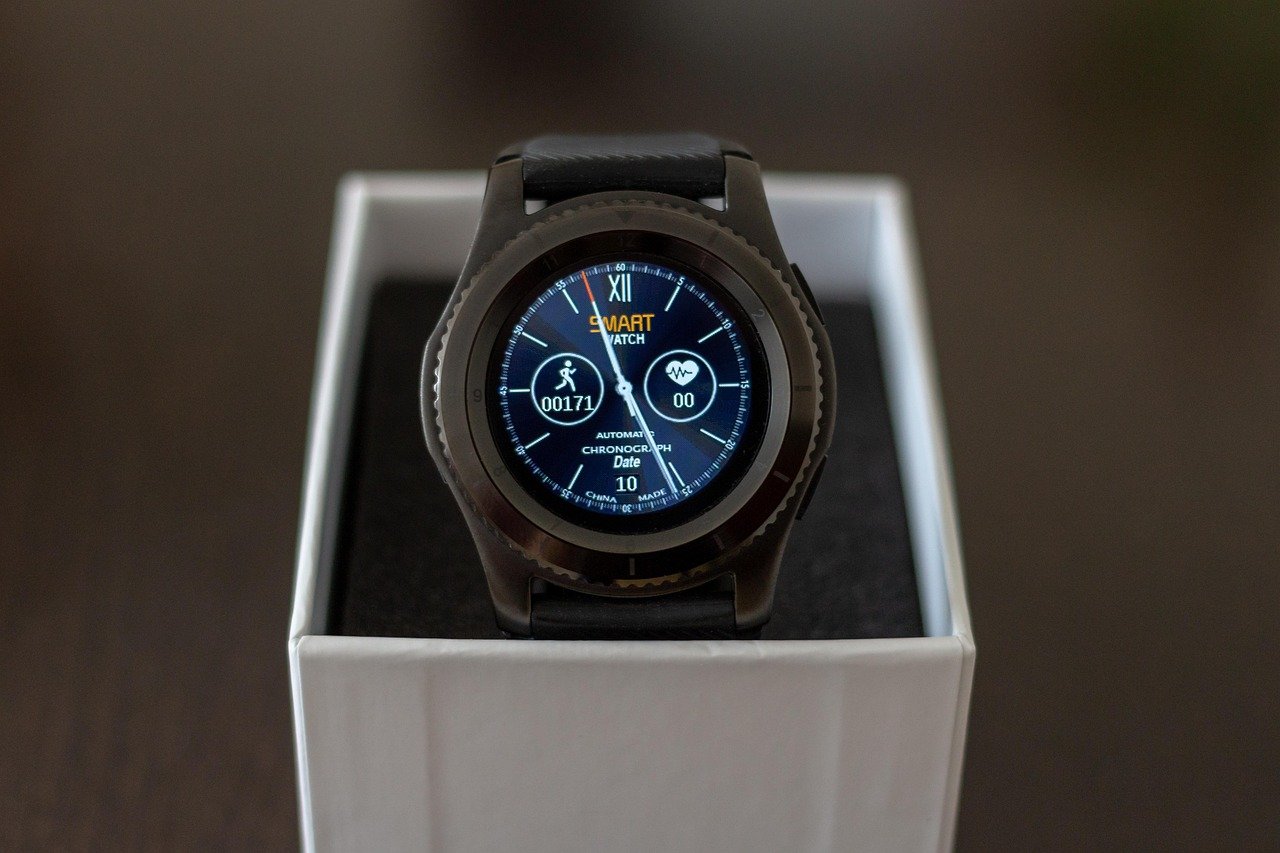
Smartwatch Review: Top Picks for Heart Rate & SpO2 Tracking (Men & Women)
In the ever-evolving landscape of wearable technology, smartwatches have transcended their initial role as mere timekeepers. Today, they are sophisticated health companions, offering invaluable insights into our cardiovascular well-being. For individuals prioritizing accurate Heart Rate (HR) and Blood Oxygen Saturation (SpO2) monitoring, selecting the right smartwatch is paramount. This comprehensive review delves into the top contenders, dissecting their strengths and weaknesses to empower both men and women in making informed purchasing decisions.
Understanding the Metrics: HR and SpO2
Before diving into specific models, it’s crucial to understand what these metrics represent and why they are significant.
- Heart Rate (HR): This measures the number of times your heart beats per minute (BPM). Resting heart rate can be an indicator of cardiovascular fitness, while heart rate during exercise reveals exertion levels and helps optimize training. Irregular heart rate patterns, detected by some advanced smartwatches, can signal potential health concerns.
- Blood Oxygen Saturation (SpO2): This indicates the percentage of hemoglobin in your blood that is carrying oxygen. Normal SpO2 levels typically range from 95% to 100%. Low SpO2 can be a sign of respiratory issues, sleep apnea, or high-altitude sickness. Continuous or on-demand SpO2 tracking offers a valuable glimpse into your body’s oxygenation.
Key Factors for Accurate HR & SpO2 Tracking:
- Sensor Technology: The quality and placement of optical sensors are critical. Newer, multi-wavelength sensors generally offer greater accuracy.
- Algorithm Sophistication: The software processing the raw sensor data plays a vital role in filtering noise and providing reliable readings.
- Fit and Wearability: A snug but comfortable fit ensures consistent skin contact, which is essential for accurate optical readings.
- Continuous vs. On-Demand: Some watches offer continuous HR tracking, while others provide it during workouts or on demand. SpO2 is often on-demand but increasingly available for overnight tracking.
- Data Presentation and Analysis: Clear, intuitive app interfaces that present trends and provide actionable insights are invaluable.
- Battery Life: Frequent tracking, especially continuous HR and overnight SpO2, can impact battery life.
Top Smartwatch Picks for Heart Rate & SpO2 Tracking
1. Apple Watch Series 9 (and Ultra 2): The Premium All-Rounder
For iPhone users, the Apple Watch Series 9 (and its more rugged sibling, the Ultra 2) remains a benchmark for health tracking.
- Heart Rate Tracking: The Series 9 boasts a highly accurate optical heart rate sensor. It provides continuous HR monitoring, alerts for high or low heart rates, and irregular rhythm notifications. ECG capabilities further enhance its cardiac assessment features. The Ultra 2 offers the same, with added durability and a larger display for extreme sports enthusiasts.
- SpO2 Tracking: The Series 9 and Ultra 2 feature an advanced SpO2 sensor that allows for on-demand measurements and overnight tracking. The data is integrated into the Health app, providing a comprehensive overview of your blood oxygen levels and trends.
- Design & Features (Men & Women): Available in various case sizes (41mm and 45mm for Series 9, 49mm for Ultra 2) and a plethora of band options, the Apple Watch offers excellent customization for both genders. Its sleek, modern design is suitable for both athletic and casual wear.
- User Experience: watchOS is renowned for its intuitive interface and seamless integration with the Apple ecosystem. The Health app is robust, offering detailed insights into your health data.
- Battery Life: While not the longest-lasting, the Series 9 generally provides a full day of use with typical tracking. The Ultra 2 offers significantly longer battery life, ideal for extended adventures.
2. Garmin Venu 3: The Fitness-Focused Powerhouse
Garmin has long been a leader in GPS and fitness tracking, and the Venu 3 is their latest iteration designed to compete directly with the Apple Watch for everyday health monitoring.
- Heart Rate Tracking: The Venu 3 utilizes Garmin’s Elevate V5 optical heart rate sensor, known for its accuracy during both rest and high-intensity activities. It offers continuous HR monitoring, customizable HR zones, and detailed workout metrics.
- SpO2 Tracking: The Venu 3 provides on-demand SpO2 readings and, importantly, overnight Pulse Ox tracking. This allows for monitoring of blood oxygen levels during sleep, which can be crucial for identifying potential sleep disturbances.
- Design & Features (Men & Women): The Venu 3 features a vibrant AMOLED display and a comfortable, lightweight design. It comes in two sizes (45mm for the Venu 3 and 43mm for the Venu 3S), catering to a wider range of wrist sizes for both men and women. Its sporty aesthetic is versatile enough for various settings.
- User Experience: Garmin’s Connect app is a treasure trove of fitness data, offering deep analytics and training plans. The watch interface is user-friendly, with customizable watch faces and widgets.
- Battery Life: The Venu 3 excels in battery life, offering up to 14 days in smartwatch mode and up to 10 hours with continuous GPS. This is a significant advantage for those who prefer not to charge daily.
3. Samsung Galaxy Watch 6 (and Classic): The Android Ecosystem Champion
For Android users, the Samsung Galaxy Watch 6 series offers a compelling blend of style, functionality, and robust health tracking.
- Heart Rate Tracking: The Galaxy Watch 6 series features an improved BioActive Sensor, delivering accurate and reliable heart rate monitoring. It offers continuous HR tracking, alerts for irregular rhythms, and an ECG app for on-demand cardiac assessments.
- SpO2 Tracking: The SpO2 sensor provides on-demand blood oxygen readings. While overnight tracking is available, it’s often integrated with Samsung’s sleep tracking features, offering insights into sleep quality alongside oxygen levels.
- Design & Features (Men & Women): The standard Galaxy Watch 6 offers a sleek, modern design, while the Classic model brings back the beloved physical rotating bezel for navigation. Both are available in different sizes (40mm and 44mm for the standard, 43mm and 47mm for the Classic) ensuring a good fit for diverse wrist sizes. The customizable watch faces and band options cater to individual style preferences for men and women.
- User Experience: The Wear OS powered by Samsung offers a fluid and responsive experience, with excellent integration with Samsung smartphones and other Galaxy devices. The Samsung Health app provides comprehensive health data management.
- Battery Life: Battery life is respectable, typically lasting a full day with moderate usage and tracking.
4. Fitbit Sense 2: The Dedicated Wellness Tracker
Fitbit has built its reputation on accessible and comprehensive health tracking, and the Sense 2 continues this legacy with a strong focus on stress management and advanced health metrics.
- Heart Rate Tracking: The Sense 2 features Fitbit’s latest optical heart rate sensor, providing continuous HR monitoring, resting heart rate tracking, and heart rate zone analysis during workouts. It also includes irregular rhythm notifications.
- SpO2 Tracking: While Fitbit has historically offered SpO2 on other models, the Sense 2’s primary focus is on its Body Response Sensor, which tracks stress indicators. SpO2 is available for on-demand readings and is often integrated into sleep analysis for overnight insights.
- Design & Features (Men & Women): The Sense 2 has a comfortable, lightweight design with a square face. It’s available in one size but comes with interchangeable bands that can be easily swapped to suit personal style, making it a versatile choice for both men and women.
- User Experience: The Fitbit app is exceptionally user-friendly, making health data easy to understand and act upon. It excels at providing holistic wellness insights, including sleep scores and stress management tools.
- Battery Life: The Sense 2 offers decent battery life, typically lasting around 6 days on a single charge with regular usage.
5. Amazfit GTR 4 / GTS 4: The Value-Packed Contenders
For those seeking excellent HR and SpO2 tracking without breaking the bank, Amazfit offers compelling options.
- Heart Rate Tracking: Both the GTR 4 (round display) and GTS 4 (square display) utilize Amazfit’s BioTracker™ 4.0 PPG biometric sensor, which provides highly accurate 24/7 heart rate monitoring. They offer continuous tracking, abnormal HR alerts, and detailed workout analysis.
- SpO2 Tracking: These smartwatches excel at SpO2 monitoring, offering both on-demand readings and continuous overnight tracking. This feature is particularly impressive at this price point, providing valuable data for sleep quality assessment.
- Design & Features (Men & Women): The GTR 4 boasts a classic, premium watch design with a circular AMOLED display, appealing to traditional watch enthusiasts. The GTS 4 offers a more modern, minimalist aesthetic with its square display. Both are available in various finishes and strap options, making them suitable for men and women with different style preferences.
- User Experience: The Zepp OS on Amazfit watches is intuitive and customizable. The Zepp app provides a comprehensive dashboard for all your health metrics, including detailed