
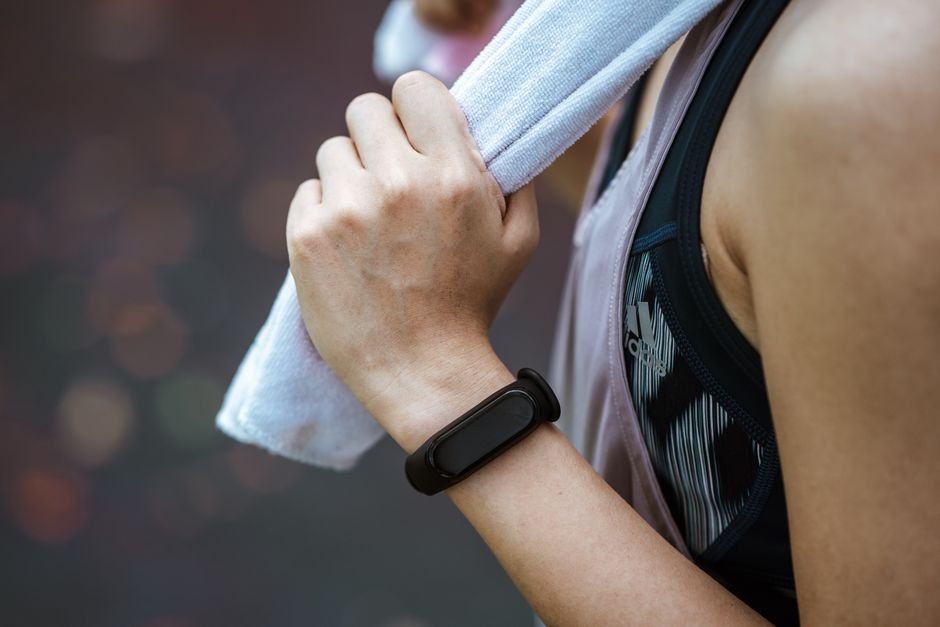
Fitness Band Sleep Tracking: Unlocking the Secrets of Your Slumber
Fitness bands have revolutionized personal health monitoring, extending their capabilities far beyond step counting. One of the most compelling features now integrated into these wearable devices is sleep tracking. Understanding your sleep patterns is crucial for overall well-being, impacting everything from cognitive function and mood to physical recovery and immune health. This comprehensive guide delves into the intricacies of fitness band sleep tracking, equipping you with the knowledge to interpret your data and make informed decisions about your sleep hygiene.
The Science Behind Sleep Tracking: How Your Band “Sees” Your Sleep
Fitness band sleep tracking isn’t magic; it relies on sophisticated sensors and algorithms to infer your sleep stages and duration. The primary technologies at play include:
- Accelerometers: These sensors detect movement. During sleep, your body naturally moves less. Significant shifts in position can indicate you’re waking up or transitioning between sleep stages. A lack of movement generally suggests deeper sleep.
- Gyroscopes: Similar to accelerometers, gyroscopes measure orientation and angular velocity, providing a more nuanced understanding of your body’s movements, especially subtle shifts.
- Heart Rate Monitors (Optical Sensors): Your heart rate naturally decreases as you fall asleep and varies significantly across different sleep stages. During REM sleep, your heart rate can become more erratic, while during deep sleep, it tends to be at its lowest and most regular. By tracking these fluctuations, bands gain valuable insights.
- Blood Oxygen Sensors (SpO2): Some advanced fitness bands incorporate SpO2 sensors. Significant drops in blood oxygen levels during sleep can be indicative of sleep apnea or other respiratory disturbances. While not a diagnostic tool, it can flag potential concerns.
These sensors collect raw data throughout the night, which is then processed by proprietary algorithms developed by each wearable manufacturer. These algorithms analyze patterns in your movement and heart rate to estimate the time spent in different sleep stages:
- Awake: Periods of significant movement and/or elevated heart rate.
- Light Sleep: Characterized by a decrease in heart rate and minimal movement. This stage is crucial for memory consolidation and learning.
- Deep Sleep (Slow-Wave Sleep): The most restorative stage, marked by very slow brain waves, minimal movement, and the lowest heart rate. This is when physical repair and growth hormone release occur.
- REM Sleep (Rapid Eye Movement): This stage is associated with vivid dreaming, muscle paralysis, and increased brain activity. It’s vital for emotional regulation, learning, and memory processing.
Decoding Your Sleep Data: Key Metrics and What They Mean
Once your fitness band has done its work, it presents you with a wealth of data. Here are the most common metrics and how to interpret them:
-
Total Sleep Time: This is the most straightforward metric, representing the total duration you were asleep. Aim for 7-9 hours of quality sleep per night.
-
Time in Bed: This includes your total sleep time plus any time you spent awake in bed before falling asleep or during the night.
-
Sleep Efficiency: Calculated as (Total Sleep Time / Time in Bed) * 100. A higher sleep efficiency (ideally 85% or more) indicates you’re spending a good proportion of your time in bed actually sleeping. Low efficiency might suggest tossing and turning, difficulty falling asleep, or frequent awakenings.
-
Sleep Stages Distribution: This is often presented as a graph or pie chart, showing the percentage or duration of time spent in each sleep stage (awake, light, deep, REM). While there are general guidelines, the ideal distribution can vary slightly between individuals. For adults, typical ranges are:
- Light Sleep: 45-55%
- Deep Sleep: 15-25%
- REM Sleep: 20-25%
- Awake: Generally less than 5% (excluding initial sleep onset and brief awakenings).
-
Awakenings/Restlessness: This metric highlights periods when your band detected significant movement or a spike in heart rate, suggesting you were awake or restless. Frequent or prolonged awakenings can disrupt your sleep cycle and reduce its restorative quality.
-
Sleep Latency: The time it takes you to fall asleep after getting into bed. Consistently long sleep latency might point to issues with sleep hygiene or underlying sleep disorders.
-
Sleep Score/Quality Rating: Many bands provide an overall sleep score or quality rating, often on a scale of 0-100. This score is typically a composite of various metrics, aiming to give you a quick, digestible assessment of your night’s sleep.
Factors Influencing Your Sleep Data Accuracy
While fitness band sleep tracking has become remarkably sophisticated, it’s essential to acknowledge its limitations and factors that can influence accuracy:
- Individual Variability: Everyone’s sleep patterns are unique. What might be considered “optimal” for one person could differ for another.
- Algorithm Differences: Each manufacturer uses its own algorithms. This means data from different brands might not be directly comparable.
- Sensor Placement and Fit: For heart rate and SpO2 tracking, a snug but comfortable fit is crucial. A loose band can lead to inaccurate readings.
- Body Position and Movement: While movement is a key indicator, extreme stillness can sometimes be misinterpreted. Certain sleeping positions might also affect sensor readings.
- Underlying Sleep Disorders: Fitness bands are not medical devices. They cannot diagnose conditions like sleep apnea, insomnia, or restless leg syndrome. If you consistently experience poor sleep despite efforts to improve, consult a healthcare professional.
- Environmental Factors: While the band can’t directly measure ambient noise or light, these can significantly impact your sleep quality and, consequently, the data recorded.
- Illness and Stress: Physical illness, emotional stress, and even certain medications can profoundly affect your sleep architecture, leading to variations in your tracked data.
Leveraging Your Sleep Data for Better Sleep Hygiene
The true value of fitness band sleep tracking lies in its ability to empower you to make actionable changes. Here’s how to effectively use your data:
- Identify Trends, Not Just Single Nights: Don’t obsess over one night’s data. Look for consistent patterns over weeks or months. Are you consistently getting less deep sleep? Are your REM cycles shorter?
- Correlate Sleep with Lifestyle: Observe how your daily habits influence your sleep. Did you have caffeine late? Exercise close to bedtime? Eat a heavy meal? Spend time on screens before bed? Track these activities and see how they reflect in your sleep metrics.
- Experiment with Sleep Hygiene Practices: Use your data as a feedback mechanism to test the effectiveness of different sleep strategies. For example:
- Consistent Sleep Schedule: Go to bed and wake up around the same time, even on weekends. See if this improves your sleep efficiency and time in deep/REM sleep.
- Optimized Sleep Environment: Ensure your bedroom is dark, quiet, and cool. Does this lead to fewer awakenings and more consolidated sleep?
- Wind-Down Routine: Implement a relaxing pre-sleep routine (reading, gentle stretching, meditation). Observe if this reduces sleep latency.
- Limit Screen Time: Reduce exposure to blue light from electronic devices an hour or two before bed.
- Diet and Exercise: Pay attention to how late-night meals or intense exercise affect your sleep.
- Recognize Signs of Overtraining or Under-recovery: If your deep sleep and REM sleep consistently decrease after intense training periods, it might indicate your body needs more recovery time.
- Share Data with Your Doctor (with Caution): If you have concerns about your sleep, sharing your tracked data with your physician can be a starting point for discussion. However, remember it’s not a substitute for professional medical evaluation.
Advanced Features and Future of Sleep Tracking
The capabilities of fitness band sleep tracking are continuously evolving. Here are some advanced features and what the future might hold:
- Snoring Detection: Some bands can now detect snoring, which can be a symptom of sleep apnea.
- Breathing Rate Monitoring: Tracking your breathing rate during sleep can provide additional insights into your respiratory health and sleep quality.
- Sleep Coaching and Personalized Recommendations: Many apps associated with fitness bands offer personalized sleep coaching, providing tailored advice based on your data.
- Integration with Smart Home Devices: Imagine your smart lights dimming automatically as your band detects you falling asleep, or your thermostat adjusting for optimal sleep temperature.
- More Sophisticated Sleep Stage Analysis: Future algorithms may become even more adept at differentiating sleep stages with greater accuracy, potentially approaching the precision of polysomnography (in-lab sleep studies).
- Biomarker Integration: While still in its nascent stages, future wearables might incorporate sensors for other biomarkers that could offer even deeper insights into sleep and overall health.
Choosing the Right Fitness Band for Sleep Tracking
When selecting a fitness band with sleep tracking capabilities, consider these factors:
- Accuracy Claims: Research reviews and independent studies on the accuracy of specific models.
- App Ecosystem and Data Presentation: The accompanying app is crucial. Is it intuitive? Does it present data clearly and offer actionable insights?
- Comfort and Wearability: You’ll be wearing it all night, so comfort is paramount.
- Battery Life: Frequent charging can be a hassle.
- Additional Features: Do you need GPS, advanced heart rate tracking, or other features beyond