
Smart Band 101: Your Ultimate Beginner’s Guide
The world of wearable technology is no longer a niche for fitness fanatics; it’s accessible and beneficial for everyone. At the forefront of this revolution are smart bands, sleek, affordable devices that offer a gateway into personalized health tracking and convenient connectivity. If you’re new to the concept, or perhaps considering your first wearable, this comprehensive guide will demystify the smart band, equipping you with the knowledge to make an informed decision and maximize its potential.
What Exactly is a Smart Band?
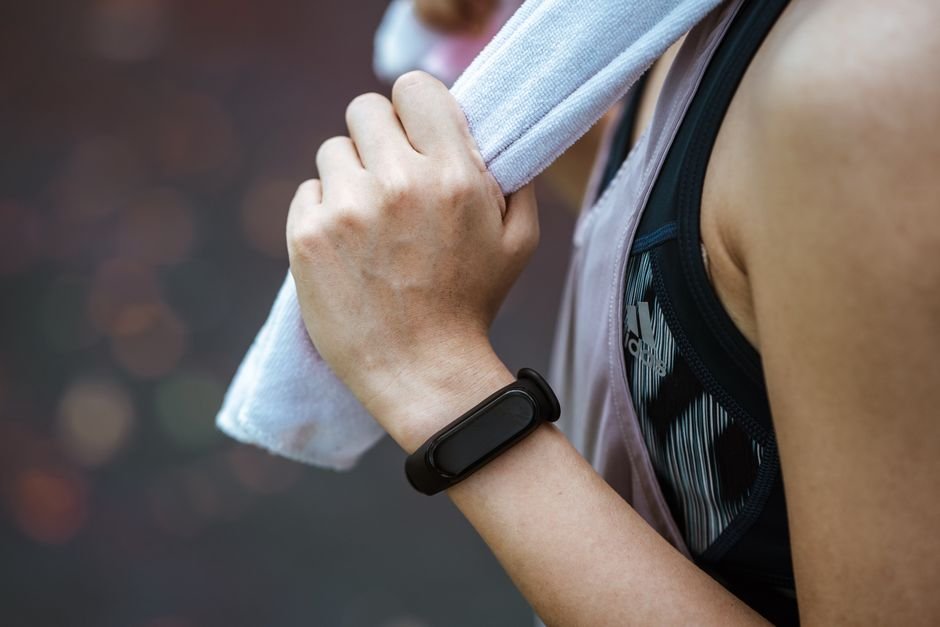
At its core, a smart band is a wrist-worn electronic device designed to monitor various aspects of your physical activity and well-being. Unlike their more feature-rich smartwatch cousins, smart bands typically prioritize core health and fitness tracking with a simpler interface and a more budget-friendly price point. They are characterized by their slim, often flexible design, a small display (or sometimes no display at all, relying on a companion app), and a focus on essential metrics.
Key Features and Functionality Explained
Understanding the common features of smart bands is crucial for appreciating their value. While specific functionalities vary between models and brands, most smart bands offer a combination of the following:
- Step Tracking: This is the most fundamental feature. Using an accelerometer and gyroscope, smart bands meticulously count your steps throughout the day, providing a tangible measure of your daily movement. This encourages conscious effort to increase activity levels.
- Distance Tracking: Beyond just steps, many bands estimate the distance you’ve covered based on your stride length and step count. This adds another layer to understanding your daily exercise.
- Calorie Burn Estimation: By analyzing your activity level, heart rate (if available), and personal data like age, weight, and height, smart bands provide an estimate of the calories you’ve burned. This is a valuable tool for weight management and understanding your energy expenditure.
- Heart Rate Monitoring: A significant advancement in modern smart bands is the inclusion of optical heart rate sensors. These sensors can track your heart rate continuously or on-demand, offering insights into your resting heart rate, workout intensity, and even potential sleep disturbances.
- Sleep Tracking: This feature analyzes your sleep patterns, categorizing it into light sleep, deep sleep, and REM sleep. By understanding your sleep quality, you can identify factors affecting your rest and make adjustments for better sleep hygiene.
- Activity/Workout Modes: Most smart bands come equipped with pre-set activity modes for common exercises like running, cycling, walking, and swimming. Selecting the appropriate mode allows the band to more accurately track metrics specific to that activity, such as pace, duration, and intensity.
- Notifications: While not as comprehensive as smartwatches, many smart bands can sync with your smartphone to display basic notifications for calls, texts, and app alerts. This allows you to discreetly check important updates without pulling out your phone.
- Sedentary Reminders: To combat the negative effects of prolonged sitting, smart bands can be set to remind you to move if you’ve been inactive for a specified period.
- Water Resistance: Many smart bands are designed to be water-resistant, allowing you to wear them during sweaty workouts, in the shower, or even for swimming. Always check the specific IP rating for the model you’re considering.
Beyond the Basics: Advanced Features to Look For
As smart band technology evolves, so do their capabilities. Here are some advanced features that might enhance your experience:
- Blood Oxygen (SpO2) Monitoring: This feature measures the oxygen saturation in your blood, which can provide insights into your respiratory health and fitness levels, especially during sleep or strenuous exercise.
- Stress Tracking: Some bands utilize heart rate variability (HRV) to estimate your stress levels throughout the day, offering guided breathing exercises to help you manage it.
- GPS Integration: While less common in entry-level bands, some models offer built-in GPS, allowing for more accurate distance and pace tracking during outdoor activities without needing your phone.
- Music Control: Basic music controls, such as play, pause, and skip tracks, can be managed directly from your smart band.
- Contactless Payments: A growing number of smart bands are incorporating NFC technology, enabling you to make contactless payments directly from your wrist.
Choosing the Right Smart Band for You
With a plethora of options available, selecting the ideal smart band can feel overwhelming. Consider these factors to guide your decision:
- Your Primary Goals: Are you focused on basic step tracking, in-depth sleep analysis, or advanced workout metrics? Your primary motivation will dictate the essential features you need.
- Budget: Smart bands range from very affordable to mid-range. Determine your budget beforehand to narrow down your choices.
- Display vs. No Display: Bands with displays offer immediate access to information on your wrist, while those without rely solely on a smartphone app. Consider your preference for convenience and information accessibility.
- Battery Life: Battery life is a significant consideration. Most smart bands offer several days to a couple of weeks of battery life on a single charge. If you prefer less frequent charging, look for models with longer battery endurance.
- Companion App: The accompanying smartphone app is crucial for accessing detailed data, customizing settings, and receiving firmware updates. Research the app’s interface, features, and user reviews.
- Comfort and Fit: The smart band will be worn daily, so comfort is paramount. Look for adjustable straps, lightweight designs, and materials that don’t cause irritation.
- Brand Reputation and Ecosystem: If you already own other devices from a particular brand (e.g., a smartphone), consider a smart band from the same ecosystem for seamless integration and potentially better app functionality.
- Water Resistance: If you plan to use your band for swimming or in wet conditions, ensure it has adequate water resistance.
Getting Started with Your Smart Band
Once you’ve purchased your smart band, the setup process is generally straightforward:
- Charge Your Band: Most smart bands come with a partial charge, but it’s recommended to fully charge it before initial use.
- Download the Companion App: Locate the app recommended by the manufacturer (usually found in the user manual or on the product packaging) and download it to your smartphone from your device’s app store.
- Create an Account and Profile: Open the app and follow the on-screen instructions to create an account. You’ll be prompted to enter personal information like your age, gender, height, and weight, which is essential for accurate calorie burn and activity tracking.
- Pair Your Band: Enable Bluetooth on your smartphone and follow the app’s instructions to pair your smart band. This usually involves bringing the band close to your phone and confirming a pairing code.
- Sync Your Data: Once paired, the band will automatically sync your data with the app. You can also initiate manual syncs if needed.
- Explore Settings and Customization: Familiarize yourself with the app’s settings. Here you can customize notification preferences, set activity goals, adjust display brightness, and manage other personalized options.
- Start Moving! The best way to experience your smart band is to wear it consistently. Track your steps, monitor your sleep, and try out different workout modes to see how it can benefit your daily life.
Maximizing Your Smart Band’s Potential
To truly harness the power of your smart band, consider these tips:
- Wear it Consistently: The more you wear your band, the more comprehensive and accurate your data will be. Wear it during sleep, workouts, and throughout the day.
- Set Realistic Goals: Start with achievable goals and gradually increase them as you become more active.
- Analyze Your Data Regularly: Don’t just collect data; use it to understand your habits. Look for patterns in your activity, sleep, and heart rate.
- Utilize Workout Modes: When engaging in specific activities, select the corresponding workout mode for more precise tracking.
- Stay Hydrated and Nourished: Your smart band can track activity, but healthy habits are crucial for overall well-being.
- Explore App Features: Dive deep into the companion app. Many offer insights, challenges, and community features that can keep you motivated.
- Update Firmware: Manufacturers regularly release firmware updates that can improve performance, add new features, and fix bugs. Ensure your band’s software is up-to-date.
- Clean Your Band: Regularly clean your smart band and strap to prevent skin irritation and maintain hygiene.
Common Smart Band Terminology
- Accelerometer: A sensor that detects motion and orientation, crucial for step counting.
- Gyroscope: Another motion sensor that detects rotation, complementing the accelerometer for more precise movement tracking.
- Optical Heart Rate Sensor: Uses light to measure blood flow and estimate heart rate.
- IP Rating: Indicates the level of protection against dust and water ingress.
- NFC (Near Field Communication): Technology enabling contactless payments and data transfer over short distances.
- Bluetooth: Wireless technology used for connecting the smart band to your smartphone.
- HRV (Heart Rate Variability): The variation in time between heartbeats, used to gauge stress and recovery.
- SpO2 (Blood Oxygen Saturation): The percentage of oxygen in your blood.
By understanding these fundamental aspects and exploring the features available, you’re well on your way to embracing the benefits of a smart band