
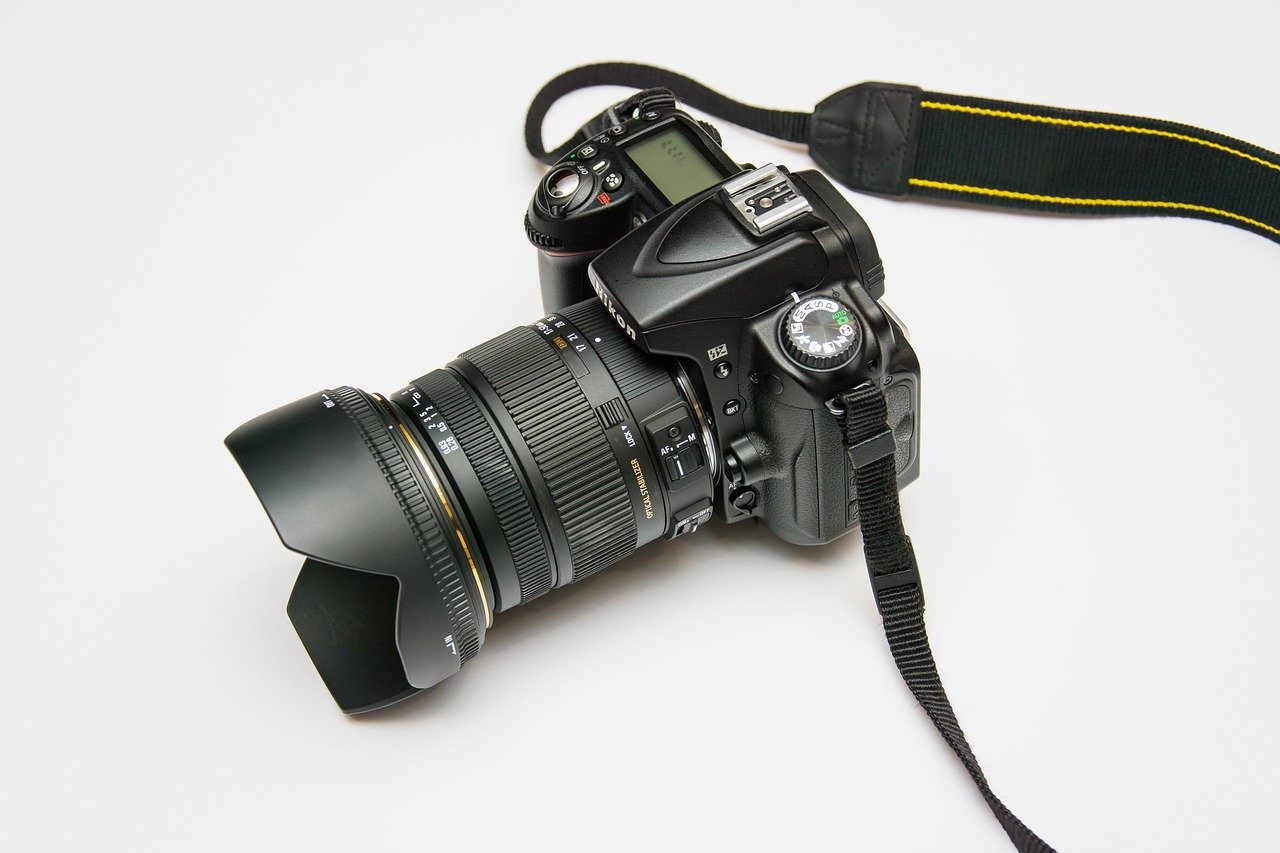
DSLR Camera Prices Today: Unpacking What to Expect in 2024
The world of digital single-lens reflex (DSLR) cameras remains a vibrant and compelling option for photographers, from enthusiastic beginners to seasoned professionals. While mirrorless technology has rapidly advanced, DSLRs continue to offer unique advantages, including robust build quality, exceptional battery life, and a vast ecosystem of lenses. Understanding current DSLR camera prices requires navigating a landscape shaped by technological evolution, market demand, and manufacturer strategies. This detailed exploration delves into what photographers can expect to pay for a DSLR in 2024, breaking down factors influencing cost and providing insights into various price tiers.
The Shifting DSLR Landscape and Price Determinants
It’s crucial to acknowledge that the DSLR market is no longer the dominant force it once was. Manufacturers are increasingly prioritizing mirrorless camera development, which has led to a recalibration of DSLR production and pricing. This shift has several implications:
- Declining New Model Releases: Fewer brand-new DSLR models are being introduced, meaning the latest innovations are primarily found in mirrorless systems. This can make finding cutting-edge DSLR features challenging.
- Focus on Value and Established Lines: Manufacturers are often focusing on refining existing, well-regarded DSLR lines and offering them at competitive price points. This benefits consumers looking for proven performance.
- Increased Importance of the Used Market: The pre-owned DSLR market has become an incredibly attractive avenue for photographers seeking high-quality equipment at significant discounts.
- Lens Ecosystem Value: A major draw of DSLRs remains their extensive and mature lens selection. Many older, high-quality lenses are readily available and affordable, especially when paired with a used DSLR body.
Several key factors directly influence DSLR camera prices:
- Sensor Size: Full-frame sensors, offering superior image quality and low-light performance, command significantly higher prices than APS-C (crop sensor) counterparts.
- Megapixel Count: While not the sole determinant of image quality, higher megapixel counts generally correlate with higher prices, especially for professional-grade cameras.
- Autofocus System: Advanced autofocus systems with more focus points, better tracking capabilities, and faster acquisition speeds are found in more expensive models.
- Build Quality and Weather Sealing: Professional DSLRs are built to withstand demanding conditions, featuring rugged construction and extensive weather sealing, which adds to their cost.
- Video Capabilities: While DSLRs are primarily still cameras, enhanced video features like 4K recording, higher frame rates, and advanced codecs can increase the price.
- Connectivity and Features: Wi-Fi, Bluetooth, GPS, articulating screens, and advanced in-camera processing features contribute to the overall cost.
- Brand and Model Reputation: Established brands like Canon and Nikon have a strong reputation, and their flagship models often carry a premium.
- Condition (New vs. Used): This is perhaps the most significant differentiator in pricing. New cameras come with a full warranty and pristine condition, while used cameras offer substantial savings but require careful inspection.
DSLR Price Tiers: What to Expect in 2024
To provide a clearer picture, let’s break down DSLR pricing into distinct tiers:
1. Entry-Level DSLRs ($300 – $600): The Gateway to DSLR Photography
These cameras are ideal for beginners, hobbyists, and those transitioning from smartphone photography. They offer a significant step up in image quality, control, and versatility.
- Typical Features: APS-C sensor, 18-24 megapixels, basic but functional autofocus systems, good automatic modes, built-in flash, HD video recording (often 1080p).
- What to Expect: You’ll find solid performance for everyday photography, travel, and learning the fundamentals of exposure. They are generally lightweight and user-friendly.
- Examples (New): Older models from Canon’s Rebel series (e.g., EOS Rebel T7, T8i) or Nikon’s D3000 series (e.g., D3500).
- Used Market Value: Excellent value can be found. A used entry-level DSLR in good condition can often be purchased for $200-$400, making it an extremely budget-friendly entry point.
2. Mid-Range DSLRs ($600 – $1200): Balancing Performance and Price
This segment offers a sweet spot for enthusiasts who want more advanced features without breaking the bank. They provide a significant upgrade in image quality, autofocus speed, and creative control.
- Typical Features: Larger APS-C sensors (often 24+ megapixels), more sophisticated autofocus systems with more focus points and better tracking, improved low-light performance, faster continuous shooting speeds, full HD or even 4K video recording, better build quality, and more direct control buttons.
- What to Expect: Capable of handling a wider range of photographic genres, including portraits, landscapes, and even some action photography. These cameras offer a more refined shooting experience.
- Examples (New): Canon EOS 90D, Nikon D7500.
- Used Market Value: This is where the used market truly shines. You can often find previous-generation mid-range DSLRs, which still offer exceptional performance, for $400-$800. This allows access to higher-end features at a fraction of the original cost.
3. Advanced Enthusiast/Semi-Professional DSLRs ($1200 – $2500): Serious Tools for Serious Photographers
These DSLRs are built for demanding users who require robust performance, superior image quality, and professional-grade features.
- Typical Features: High-megapixel APS-C or entry-level full-frame sensors, advanced multi-point autofocus systems with excellent tracking, superior low-light ISO performance, faster burst rates, robust weather sealing, advanced video features, dual card slots, and extensive customization options.
- What to Expect: These cameras are designed for professional work, including weddings, events, sports, and wildlife. They offer exceptional image detail, dynamic range, and reliability.
- Examples (New): Canon EOS 6D Mark II (full-frame), Nikon D780 (full-frame).
- Used Market Value: A used advanced enthusiast DSLR can represent a phenomenal investment. You might find models like a Canon 5D Mark IV or Nikon D810 in excellent condition for $1000-$1800, offering professional capabilities at a significant discount.
4. Professional Full-Frame DSLRs ($2500+): The Pinnacle of DSLR Technology
These are the workhorses of professional photography, offering the highest image quality, performance, and durability.
- Typical Features: Large, high-resolution full-frame sensors (20-50+ megapixels), industry-leading autofocus systems, exceptional low-light performance, high burst rates, rugged construction with extensive weather sealing, advanced video capabilities, top-tier build materials, and unparalleled reliability.
- What to Expect: Designed for the most demanding professional applications where image quality, speed, and reliability are paramount. These cameras are built to last for years of intensive use.
- Examples (New): Canon EOS-1D X Mark III, Nikon D6.
- Used Market Value: While still a significant investment, the used market for professional full-frame DSLRs offers the opportunity to acquire top-tier equipment at a more accessible price. Expect to pay anywhere from $1500-$3000+ for models that were once $5000-$7000 new. These are often purchased by professionals upgrading to newer systems, making them available in excellent condition.
Navigating the Used DSLR Market: Tips for Smart Buying
The used market is a goldmine for DSLR savings. However, a few precautions are essential:
- Shutter Count: This indicates the number of times the shutter has been activated. Higher counts mean more wear and tear. Most DSLRs have a rated shutter life of 100,000-300,000 actuations, but many exceed this. A lower shutter count generally indicates a camera with more life left.
- Cosmetic Condition: Look for signs of significant wear, dents, or scratches, which might indicate rough handling. Minor cosmetic blemishes are usually acceptable.
- Sensor Cleanliness: Check for dust or debris on the sensor, which can be a costly repair.
- Functionality: Test all buttons, dials, screens, and ports to ensure they are working correctly.
- Lens Mount: Inspect the lens mount for any damage or wear.
- Reputable Sellers: Buy from trusted online retailers specializing in used camera gear or from reputable individuals with good feedback.
- Return Policy: Ensure the seller offers a reasonable return policy in case of unforeseen issues.
The Future of DSLR Pricing
As mirrorless technology continues its upward trajectory, new DSLR releases will likely become even rarer. This will likely lead to a stabilization or even a slight decrease in the prices of new, remaining DSLR stock. However, the demand for these robust and reliable cameras, particularly in certain professional niches and for photographers who prefer their ergonomics and lens selection, will ensure their continued presence. The used market will undoubtedly become an even more significant player, offering exceptional value for photographers of all levels. Therefore, for those considering a DSLR in 2024, understanding the current pricing landscape and exploring