
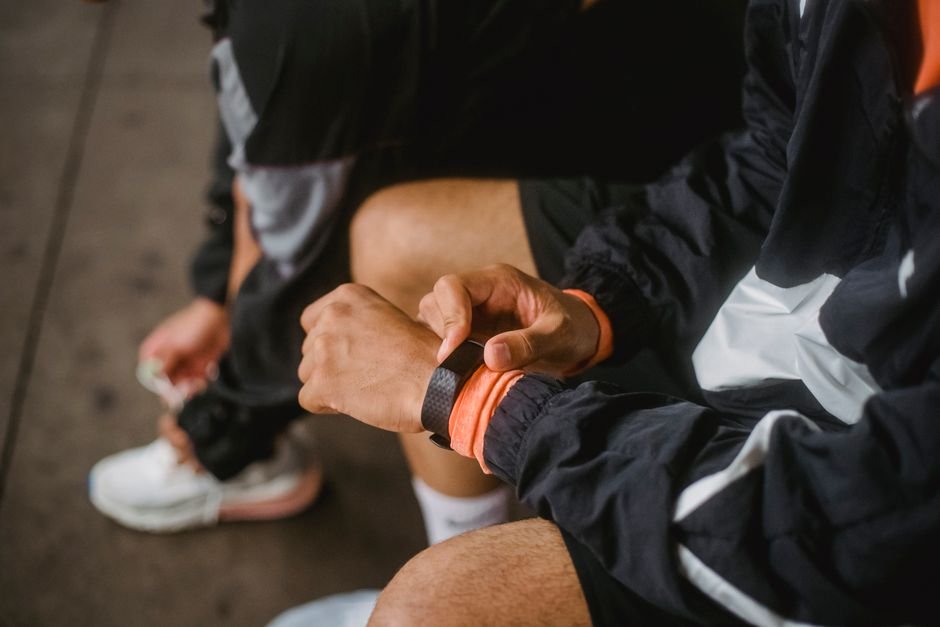
Effortless Health Tracking: Your Fitness Band for Sleep & Steps
In today’s fast-paced world, maintaining optimal health can feel like a constant battle. We juggle demanding careers, family responsibilities, and social commitments, often pushing our well-being to the back burner. However, the advent of wearable technology, particularly fitness bands, has revolutionized how we approach personal health monitoring. These sleek, unobtrusive devices are no longer just for hardcore athletes; they are becoming indispensable tools for anyone seeking to understand and improve their daily habits, with a particular focus on two fundamental pillars of well-being: sleep and physical activity.
The humble fitness band, with its unassuming design, packs a powerful punch when it comes to data collection. At its core, it’s a sophisticated sensor array capable of capturing minute details about your body’s performance throughout the day and night. For many, the journey to a healthier lifestyle begins with simply tracking their steps. This seemingly basic metric provides an invaluable baseline understanding of daily movement. Sedentary lifestyles are a growing concern, contributing to a myriad of health issues. By quantifying steps, fitness bands empower individuals to visualize their activity levels, identify periods of inactivity, and set achievable goals for increasing their daily mileage. Whether it’s aiming for the commonly recommended 10,000 steps or a more personalized target based on individual fitness levels and doctor recommendations, the visual representation of progress on a connected app fosters motivation and accountability.
Beyond sheer quantity, many advanced fitness bands offer insights into the quality of your steps. Features like stride length estimation and active zone minutes, which measure time spent in moderate to vigorous exercise, provide a more nuanced understanding of your workout intensity. This data allows for smarter training, preventing overexertion while ensuring you’re pushing your body effectively to reap cardiovascular benefits. For those looking to shed pounds, understanding calorie expenditure, a calculation often derived from step count, heart rate, and basal metabolic rate, becomes a crucial element in managing energy balance. The subtle nudges and reminders to move, often integrated into these devices, can be a game-changer for individuals who find themselves glued to their desks for extended periods.
However, the impact of a fitness band extends far beyond the daylight hours. Sleep tracking is arguably one of the most profound benefits these wearables offer. The quality and quantity of our sleep directly influence our mood, cognitive function, immune system, and long-term health. Yet, many of us are unaware of our sleep patterns, mistaking simply being in bed for restorative sleep. Fitness bands employ accelerometers and, in more advanced models, heart rate sensors to detect movement and physiological changes associated with different sleep stages.
Typically, these devices can differentiate between light sleep, deep sleep, and REM (Rapid Eye Movement) sleep. Light sleep is the initial stage, transitioning into deeper, more restorative phases. Deep sleep is crucial for physical recovery and growth, while REM sleep is vital for cognitive functions like memory consolidation and learning. By analyzing the time spent in each stage, along with total sleep duration and awakenings throughout the night, fitness bands provide a comprehensive sleep report. This data can highlight issues such as insufficient deep sleep, frequent awakenings that disrupt the sleep cycle, or a consistently short sleep duration.
Understanding these patterns is the first step towards improvement. For instance, if a user consistently experiences fragmented sleep or low amounts of deep sleep, they can begin to explore potential causes. Are they consuming caffeine too close to bedtime? Is their bedroom environment conducive to sleep (too bright, too noisy, too hot)? Are they experiencing stress that is impacting their ability to achieve deep, restorative sleep? The fitness band acts as a silent observer, providing objective data that can guide lifestyle adjustments. Many apps connected to these bands offer personalized sleep scores and recommendations, suggesting ideal bedtime windows, relaxation techniques, or even environmental adjustments to optimize sleep hygiene.
The synergistic relationship between sleep and steps is also a key area where fitness bands shine. Poor sleep can negatively impact energy levels, making it harder to be physically active the following day. Conversely, regular physical activity, especially when timed appropriately, can significantly improve sleep quality. A fitness band allows users to see this correlation firsthand. They might notice that on days they achieve their step goals, they sleep more soundly, or that after a particularly restful night, they feel more motivated to go for a longer walk. This feedback loop reinforces healthy habits and fosters a holistic approach to well-being.
Moreover, many fitness bands go beyond basic step and sleep tracking, incorporating features like heart rate monitoring. This data is invaluable for both activity and sleep analysis. During exercise, heart rate provides a more accurate measure of exertion and calorie burn. At rest, it can indicate stress levels and cardiovascular health. When combined with sleep data, heart rate variability (HRV), a metric that measures the variation in time between heartbeats, can offer deeper insights into the body’s recovery status and stress load. A consistently low HRV during sleep might signal inadequate recovery, prompting users to re-evaluate their training intensity or stress management strategies.
The accessibility and user-friendliness of modern fitness bands are crucial to their widespread adoption. Gone are the days of complex interfaces and cumbersome setup processes. Most devices sync seamlessly with smartphones via Bluetooth, with intuitive companion apps that present data in clear, digestible formats. Graphs, charts, and daily summaries make it easy to track progress over time and identify trends. Gamification elements, such as virtual badges for achieving milestones or challenges with friends, further enhance motivation and engagement, transforming health tracking from a chore into an enjoyable pursuit.
For individuals managing chronic conditions, fitness bands can also serve as valuable tools for their healthcare providers. Sharing objective data on activity levels and sleep patterns can provide doctors with a more complete picture of a patient’s lifestyle, aiding in diagnosis and treatment planning. For example, a doctor might recommend a fitness band to a patient with type 2 diabetes to monitor their daily activity and its potential impact on blood sugar levels. Similarly, individuals struggling with insomnia could benefit from presenting their sleep data to a sleep specialist.
The ongoing evolution of fitness band technology promises even more sophisticated insights. Future iterations are likely to incorporate advanced sensors for blood oxygen saturation, skin temperature, and even ECG (electrocardiogram) readings, offering a more comprehensive view of physiological health. The integration with other smart home devices and health platforms will further streamline data collection and analysis, creating a truly connected health ecosystem.
In essence, fitness bands for sleep and steps have democratized health tracking. They empower individuals with accessible, actionable data, fostering a greater understanding of their bodies and encouraging proactive steps towards a healthier, more balanced life. By making the invisible visible, these devices transform complex physiological processes into understandable metrics, guiding users on their personal journey to improved well-being, one step and one restful night at a time.