
Subwoofer-Like Bass: The Ultimate Bluetooth Speaker Guide
The pursuit of deep, resonant bass from a portable Bluetooth speaker can feel like chasing a mythical creature. While many promise room-filling sound, few truly deliver the satisfying rumble that transforms music from background noise into an immersive experience. This guide dives deep into what makes a Bluetooth speaker achieve “subwoofer-like” bass, helping you navigate the technical jargon and identify the true bass champions.
Understanding the Physics of Bass in Small Form Factors:
Achieving significant low-frequency output (bass) in a compact Bluetooth speaker presents inherent physical challenges. Bass frequencies require larger speaker drivers and enclosed volumes to move enough air. Smaller drivers and limited internal space struggle to generate the necessary air displacement for impactful bass. Manufacturers employ several strategies to overcome these limitations:
- Larger Drivers: While “compact” is the operative word for Bluetooth speakers, even a few extra inches in driver diameter can make a substantial difference. Larger woofers have a greater surface area to push air.
- Passive Radiators: These are essentially unpowered speaker cones that vibrate in sympathy with the active driver. They are tuned to resonate at specific low frequencies, effectively amplifying bass output without requiring additional power. Think of them as bass boosters.
- Ported Enclosures (Bass Reflex): This design features a port or tube that allows air from the inside of the speaker cabinet to exit. This exiting air is phase-aligned with the sound from the active driver, reinforcing low frequencies. The size and tuning of the port are crucial for optimal bass performance.
- Advanced Digital Signal Processing (DSP): Modern Bluetooth speakers heavily rely on DSP to manipulate audio signals. This includes equalization (EQ) to boost bass frequencies, dynamic range compression to make quiet bass notes audible and loud bass notes manageable, and psychoacoustic bass enhancement, which tricks the ear into perceiving deeper bass than is physically present.
- Multiple Drivers: Some larger Bluetooth speakers utilize dedicated woofers for bass reproduction, separate from mid-range and tweeter drivers. This specialization allows for more efficient and powerful bass output.
Key Specifications to Look For (Beyond Wattage):
While wattage (power output) is often advertised, it’s a misleading metric for bass performance alone. A high-wattage speaker with small drivers and poor enclosure design will still lack deep bass. Focus on these more telling indicators:
- Frequency Response: This is perhaps the most crucial specification. It indicates the range of frequencies a speaker can reproduce. For “subwoofer-like” bass, you’ll want to see a lower limit of 40Hz or even 30Hz. A speaker advertised with a frequency response of 60Hz-20kHz will not produce deep bass.
- Driver Size: Look for specifications mentioning driver diameters. Woofers in the 3-inch to 6-inch range or larger are more likely to deliver substantial bass. Some manufacturers might list the total driver surface area.
- Passive Radiator Presence: If a speaker explicitly mentions passive radiators, especially multiple ones, it’s a strong indicator of enhanced bass capabilities.
- Enclosure Type: While not always explicitly stated, understanding the difference between sealed (tighter, more accurate bass, but less output) and ported/bass reflex (more output, potentially less tight) can be helpful. Most bass-focused Bluetooth speakers utilize ported designs or passive radiators.
- Bass Boost/Enhancement Features: Check if the manufacturer advertises specific bass-boosting technologies or app-controlled EQ settings that allow you to emphasize low frequencies.
Decoding Marketing Jargon:
Beware of marketing buzzwords that promise the moon without delivering.
- “Room-filling sound”: This can mean a wide soundstage, not necessarily deep bass.
- “Powerful bass”: This is subjective. Look for objective specifications.
- “Deep bass”: Again, subjective. Quantify it with frequency response.
- “360-degree sound”: This refers to omnidirectional sound dispersion, not bass output.
Top Contenders for Subwoofer-Like Bass in Bluetooth Speakers:
This section highlights categories and specific examples of Bluetooth speakers renowned for their bass performance. While specific models change rapidly, the underlying design principles remain consistent.
1. Larger, More Powerful Portable Speakers:
These are the heavyweights of the portable Bluetooth world, often sacrificing ultimate portability for superior sound.
- Key Features: Larger drivers (often 4-6 inches), multiple drivers, passive radiators, robust DSP, and often higher wattage.
- Examples (General Categories/Past Renowned Models):
- JBL Xtreme Series: Consistently praised for their powerful bass output, large drivers, and robust build.
- Sony SRS-XG Series (e.g., XG500, XG700): Known for their punchy bass, often incorporating passive radiators and DSP for enhanced low-end.
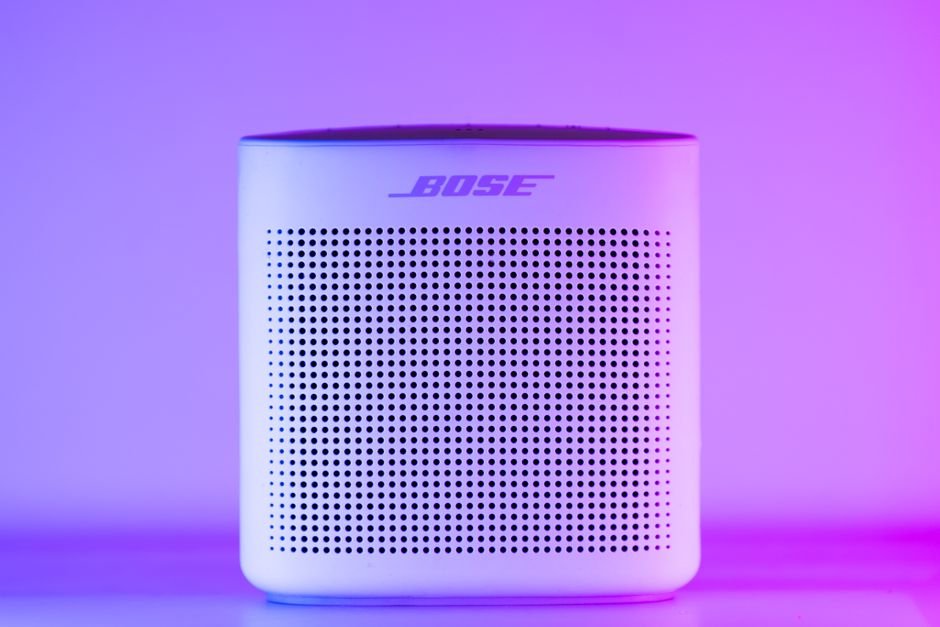
- Bose SoundLink Revolve+ / Revolve+ II: While known for balanced sound, the larger Revolve+ models offer surprisingly good bass for their size, often achieved through clever porting and DSP.
- Ultimate Ears Hyperboom: A behemoth in the portable speaker space, designed for parties and offering significant bass.
- Anker Soundcore Motion Boom Plus: Often lauded for its impressive bass-to-price ratio, utilizing large drivers and passive radiators.
2. “Party” or “Boombox” Style Speakers:
These often prioritize sheer volume and bass impact for outdoor gatherings.
- Key Features: Often larger, rectangular designs, multiple large drivers, prominent passive radiators, and robust bass enhancement features.
- Examples (General Categories/Past Renowned Models):
- Tribit MaxSound Plus: A popular choice for its surprisingly deep bass given its price point, often featuring passive radiators.
- Soundcore Rave Neo / Rave Party Speaker: Designed for parties, these models usually emphasize bass and volume.
3. Innovative Designs with Enhanced Bass Technology:
Some brands push the boundaries with unique designs to achieve better bass.
- Key Features: May include specialized driver configurations, innovative enclosure designs, or advanced DSP algorithms.
- Examples (General Categories/Past Renowned Models):
- Devialet Mania: While a premium option, Devialet is known for its groundbreaking technologies that allow for impressive bass from compact enclosures.
- Sennheiser AMBEO Soundbar (Portable variants if available): While not strictly a Bluetooth speaker, Sennheiser’s AMBEO technology is a prime example of how advanced processing can deliver deep bass. Keep an eye on their portable offerings.
Tips for Maximizing Bass from Your Bluetooth Speaker:
- Placement is Key:
- Near a Wall or Corner: Placing your speaker near a wall or, even better, in a corner can significantly boost bass frequencies through acoustic reinforcement. This is known as boundary effect.
- Avoid Open Spaces: In wide-open areas, bass can dissipate quickly.
- Surface Matters: Placing the speaker on a solid, resonant surface can enhance bass. Avoid soft, absorbent surfaces like thick carpets.
- Use the App (If Available): Many modern speakers come with companion apps that offer EQ controls. Experiment with boosting the low-frequency bands to your preference. Be cautious not to overdo it, which can lead to distortion.
- Stereo Pairing: If your speaker supports stereo pairing with another identical unit, the combined output can create a more impactful and immersive soundstage, including stronger bass.
- Source Material: The quality of the audio file or streaming service significantly impacts bass. Lossless audio formats and well-mixed tracks will always sound better.
- Firmware Updates: Manufacturers often release firmware updates that can improve audio performance, including bass response. Ensure your speaker is up-to-date.
When to Consider a Dedicated Subwoofer:
For true audiophiles seeking the most profound and accurate low-frequency reproduction, a dedicated subwoofer remains the ultimate solution. Bluetooth speakers, even the best ones, operate within physical limitations. If your primary goal is earth-shattering bass for a home theater or a dedicated listening room, a Bluetooth speaker will likely fall short. However, for portable convenience and a significant bass upgrade over standard speakers, the options discussed in this guide are excellent.
The Future of Bass in Bluetooth Speakers:
As technology advances, we can expect even more innovation. Expect to see:
- More sophisticated DSP algorithms: AI-powered sound optimization will likely become more prevalent.
- Improved driver materials and designs: Lighter, stiffer materials will enable better bass response.
- Hybrid designs: Combining active drivers with advanced passive radiator technology.
- Greater integration with smart home ecosystems: Allowing for more advanced bass management.
By understanding the underlying principles and focusing on the right specifications, you can confidently choose a Bluetooth speaker that delivers the satisfying, “subwoofer-like” bass you crave, transforming your portable audio experience.