
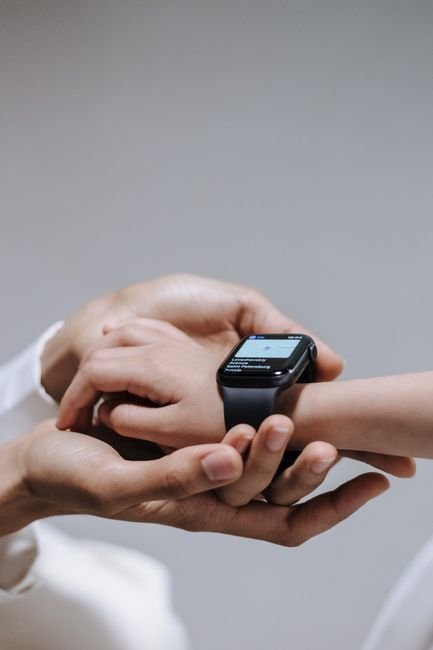
The Pulse of Progress: Innovations in AI Smartwatch Health Monitoring
The humble smartwatch has transcended its roots as a mere timekeeper and notification hub. Today, it stands at the forefront of personal health, leveraging sophisticated artificial intelligence to offer unprecedented insights into our well-being. This evolution isn’t just about tracking steps; it’s about proactive, personalized, and predictive health monitoring, driven by cutting-edge AI innovations.
Beyond Basic Biometrics: The AI-Powered Sensor Revolution
The bedrock of AI smartwatch health monitoring lies in its advanced sensor arrays. While optical heart rate sensors have been standard for years, AI is unlocking their true potential. Machine learning algorithms analyze the subtle variations in blood volume changes detected by these sensors, moving beyond simple BPM to infer a wealth of physiological data.
-
ECG and Arrhythmia Detection: The integration of electrocardiogram (ECG) sensors, once exclusive to clinical settings, has been a game-changer. AI algorithms are trained on vast datasets of ECG readings to identify irregular heart rhythms like atrial fibrillation (AFib) with remarkable accuracy. These systems can detect subtle patterns that might be missed by the human eye, enabling early intervention and potentially preventing serious cardiovascular events. The AI doesn’t just flag an anomaly; it can contextualize it, considering factors like activity levels and sleep patterns to provide a more nuanced assessment.
-
Blood Oxygen (SpO2) Monitoring: SpO2 sensors, now common, are being enhanced by AI for more accurate and continuous monitoring. AI can filter out noise from movement and skin tone variations, providing reliable oxygen saturation readings. This is crucial for individuals with respiratory conditions, sleep apnea, or those engaging in high-altitude activities. Future advancements promise AI-driven analysis of SpO2 trends to predict potential exacerbations of chronic lung diseases.
-
Skin Temperature Sensing: While seemingly simple, skin temperature data, when analyzed by AI, can reveal significant health trends. AI can identify deviations from an individual’s baseline temperature, correlating these shifts with the onset of illness, ovulation cycles in women, or even stress levels. This passive monitoring offers a non-intrusive way to stay attuned to bodily changes.
-
Blood Pressure Estimation: The holy grail of non-invasive blood pressure monitoring is getting closer, thanks to AI. Researchers are exploring how AI can analyze PPG (photoplethysmography) signals, combined with other sensor data like ECG, to estimate blood pressure. While still in its developmental stages, the potential for continuous, cuff-less blood pressure monitoring is immense, offering a powerful tool for managing hypertension.
Unlocking Deeper Insights: AI-Driven Data Analysis
The true power of AI in smartwatch health monitoring lies not just in the sensors themselves, but in how the collected data is interpreted. AI algorithms transform raw sensor outputs into actionable insights, personalizing the health journey.
-
Sleep Stage Analysis and Optimization: Beyond simply tracking sleep duration, AI is revolutionizing sleep analysis. Advanced algorithms can accurately identify sleep stages (light, deep, REM) by analyzing heart rate variability, movement, and even breathing patterns. AI then provides personalized recommendations for improving sleep hygiene, such as adjusting bedtime, optimizing bedroom environment, or suggesting relaxation techniques, all tailored to individual sleep profiles.
-
Stress and Recovery Monitoring: AI models are becoming increasingly adept at quantifying stress levels. By analyzing heart rate variability (HRV), sleep quality, and activity data, AI can provide a “stress score” and a “body battery” or “readiness” score. This allows users to understand when they are optimally recovered for intense workouts and when it’s better to focus on rest and recovery, preventing burnout and optimizing performance.
-
Activity Recognition and Fall Detection: AI’s ability to recognize different types of physical activity is constantly improving. This goes beyond simply logging a “run”; AI can differentiate between walking, cycling, swimming, and even more nuanced movements. Furthermore, advanced AI-powered fall detection systems can differentiate between a genuine fall and an accidental stumble, automatically alerting emergency contacts or services.
-
Personalized Health Coaching and Nudges: Perhaps the most transformative aspect is AI’s role in personalized health coaching. Instead of generic advice, AI-powered smartwatches can offer tailored nudges and recommendations based on an individual’s unique data. This could include suggestions to increase water intake after a particularly sweaty workout, reminders to take deep breaths during stressful periods, or prompts to stand up and move if prolonged sedentary behavior is detected.
The Future of AI in Smartwatch Health: Predictive and Proactive
The current innovations are merely a stepping stone. The future of AI in smartwatch health monitoring is undeniably predictive and proactive.
-
Early Disease Detection: AI is being trained to identify subtle patterns that may precede the onset of various diseases. For example, changes in heart rate patterns, sleep disturbances, or even skin temperature fluctuations could be early indicators of infections, cardiovascular issues, or neurological conditions, allowing for much earlier diagnosis and intervention.
-
Personalized Treatment Response Monitoring: For individuals managing chronic conditions, AI can track their response to medication or therapy by analyzing real-time physiological data. This allows healthcare providers to fine-tune treatment plans more effectively and quickly.
-
Mental Health Support: While still in its nascent stages, AI is being explored for its potential to support mental well-being. By analyzing speech patterns, sleep, and activity, AI could potentially flag early signs of depression or anxiety, offering accessible support or recommending professional help.
-
Integration with Healthcare Ecosystems: The ultimate goal is seamless integration. AI-powered smartwatches will become integral components of a broader healthcare ecosystem, sharing anonymized, consent-driven data with physicians and researchers, accelerating medical discovery and improving patient outcomes on a massive scale.
The relentless march of AI innovation is transforming smartwatches from passive trackers into intelligent health companions. As sensor technology advances and AI algorithms become more sophisticated, our wristwear will continue to evolve, offering increasingly profound insights and empowering us to take greater control of our health and well-being.