
Top Cooling Appliances for a Comfortable Home This Summer
As summer’s heat intensifies, creating a cool and comfortable sanctuary within your home becomes paramount. Beyond mere comfort, maintaining a stable indoor temperature can significantly impact health, productivity, and even the longevity of your belongings. The market offers a diverse array of cooling appliances, each with its unique strengths and applications. Selecting the right ones requires understanding their functionalities, energy efficiency, and suitability for your specific needs. This guide delves into the top cooling appliances, providing detailed insights to help you make informed decisions for a refreshingly cool summer.
1. Central Air Conditioning Systems: The Gold Standard of Whole-Home Cooling
Central air conditioning (AC) systems are the most comprehensive solution for cooling an entire house. They work by circulating cool air through a network of ducts, evenly distributing it to every room. The core components include an outdoor unit (condenser and compressor) and an indoor unit (evaporator coil and air handler).
- How They Work: Refrigerant circulates between the indoor and outdoor units. In the indoor unit, the evaporator coil absorbs heat from the indoor air, cooling it. The warm refrigerant then travels to the outdoor unit, where the condenser releases the heat into the outside air.
- Key Features & Benefits:
- Whole-Home Comfort: Provides consistent temperature control across all living spaces.
- Energy Efficiency: Modern central AC units are increasingly energy-efficient, often carrying ENERGY STAR ratings. Look for high SEER (Seasonal Energy Efficiency Ratio) ratings, with higher numbers indicating greater efficiency.
- Dehumidification: Central AC systems also effectively remove humidity from the air, contributing to a more comfortable environment and preventing mold growth.
- Air Filtration: Integrated air filters improve indoor air quality by trapping dust, pollen, and other allergens.
- Considerations:
- Cost: Installation can be a significant upfront investment.
- Ductwork: Requires existing or newly installed ductwork, which can be disruptive and costly for older homes.
- Maintenance: Regular professional maintenance is crucial for optimal performance and longevity.
2. Ductless Mini-Split Systems: Flexible and Efficient Zoned Cooling
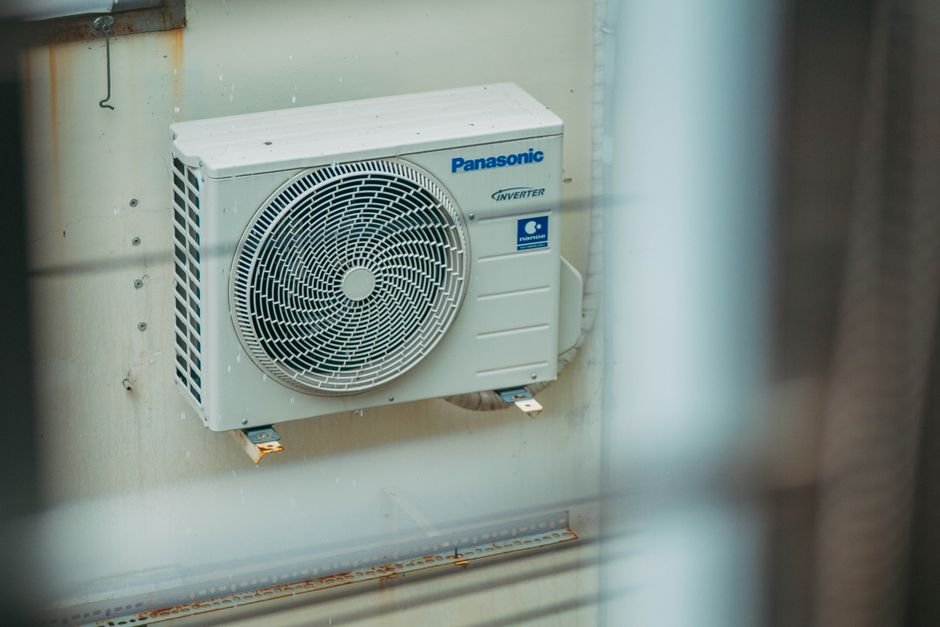
Ductless mini-split systems, often referred to as mini-splits, offer a versatile and energy-efficient alternative to central AC, particularly for homes without existing ductwork or for targeted cooling of specific zones. They consist of an outdoor compressor unit connected to one or more indoor air-handling units via refrigerant lines and electrical wiring.
- How They Work: Similar to central AC, refrigerant circulates between the outdoor unit and the indoor units. Each indoor unit has its own fan and evaporator coil, allowing for independent temperature control in each zone.
- Key Features & Benefits:
- Zoned Cooling: Allows for precise temperature control in individual rooms or areas, saving energy by not cooling unoccupied spaces.
- No Ductwork Required: Ideal for retrofitting older homes, additions, or rooms where ductwork is impractical.
- High Energy Efficiency: Often achieve very high SEER ratings, making them more efficient than many central systems.
- Heating Capabilities: Many mini-splits offer reverse cycle heating, providing year-round climate control.
- Quiet Operation: Indoor units are typically very quiet.
- Considerations:
- Aesthetics: Indoor units are visible wall-mounted components, which may not appeal to everyone.
- Multiple Units: For whole-home coverage, multiple indoor units are required, increasing the overall cost.
- Professional Installation: Proper installation by a certified technician is essential for optimal performance.
3. Window Air Conditioners: Affordable and Accessible Cooling
Window air conditioners are self-contained units that are installed in a window frame or through a wall opening. They are a popular choice for cooling single rooms or smaller living spaces due to their affordability and ease of installation.
- How They Work: The entire system – compressor, condenser, evaporator, and fan – is housed within a single unit. Cool air is blown into the room, while heat is expelled outside through the back of the unit.
- Key Features & Benefits:
- Cost-Effective: Generally the most affordable cooling appliance to purchase.
- Easy Installation: Can be installed by most homeowners without professional help.
- Room-Specific Cooling: Ideal for targeting specific areas that tend to get hotter than others.
- Portability (within limits): Can be moved to different windows or rooms as needed.
- Considerations:
- Noise: Can be noisier than other cooling systems.
- Energy Efficiency: Typically less energy-efficient than central AC or mini-splits, though newer models are improving. Look for ENERGY STAR certified models.
- Aesthetics and Security: Can obstruct views and potentially compromise window security.
- Limited Cooling Capacity: Best suited for single rooms; not effective for cooling entire homes.
4. Portable Air Conditioners: Flexibility and Convenience
Portable air conditioners offer a compromise between window units and central AC, providing cooling for a single room with the advantage of not being permanently installed in a window. They are self-contained units that sit on the floor and vent hot air outside through an exhaust hose that typically passes through a window kit.
- How They Work: Similar to window units, they house all components internally. The exhaust hose is crucial for expelling hot air and moisture.
- Key Features & Benefits:
- Flexibility: Can be moved from room to room as needed.
- No Permanent Installation: Does not require window modification like a window AC.
- Dehumidification: Effectively removes moisture from the air.
- Ease of Setup: Generally easy to set up with the included window kit.
- Considerations:
- Exhaust Hose: The exhaust hose can be cumbersome and aesthetically unappealing.
- Noise: Can be quite noisy due to the all-in-one design.
- Energy Efficiency: Often less energy-efficient than window units or central AC.
- Water Drainage: Some models require manual emptying of a water tank, or have a continuous drain option.
5. Evaporative Coolers (Swamp Coolers): Eco-Friendly Cooling in Dry Climates
Evaporative coolers, commonly known as swamp coolers, are an energy-efficient and environmentally friendly option for cooling, but they are most effective in dry climates. They work by drawing in hot, dry air and passing it over water-soaked pads. As the water evaporates, it absorbs heat from the air, cooling it down and adding moisture.
- How They Work: A fan pulls outside air through water-saturated pads. The process of evaporation cools the air, which is then circulated into the room.
- Key Features & Benefits:
- Energy Efficiency: Consume significantly less electricity than refrigerant-based AC systems.
- Environmentally Friendly: Do not use refrigerants that can harm the ozone layer.
- Adds Humidity: Beneficial in very dry environments, improving indoor air quality and comfort.
- Lower Purchase Cost: Generally less expensive to buy than AC units.
- Considerations:
- Climate Dependent: Ineffective in humid climates, as the air is already saturated with moisture.
- Requires Water: Needs a constant supply of water and regular pad cleaning to prevent mold and mineral buildup.
- Maintenance: Requires regular cleaning and occasional pad replacement.
- Airflow: Best used with windows open to allow for airflow and prevent humidity buildup.
6. Fans: Complementary Cooling Solutions
While not active cooling appliances in the same way as air conditioners, fans play a vital role in creating a cooler environment through air circulation. They don’t lower the air temperature but create a wind-chill effect that makes you feel cooler.
- Types of Fans:
- Ceiling Fans: Excellent for circulating air throughout a room, especially when used in conjunction with AC to distribute cool air more evenly and allow for higher thermostat settings.
- Pedestal Fans: Offer adjustable height and oscillation, providing targeted airflow.
- Box Fans: Versatile and affordable, can be placed in windows to draw in cooler outside air or exhaust warmer indoor air.
- Tower Fans: Sleek and space-saving, offering quiet operation and often multiple speed settings.
- Personal Fans: Small, portable fans for individual cooling on desks or nightstands.
- Key Features & Benefits:
- Energy Efficiency: Consume very little electricity.
- Cost-Effective: Low purchase price.
- Enhance AC Effectiveness: Improve the efficiency of AC systems.
- Air Circulation: Prevent stagnant air and improve overall comfort.
- Considerations:
- Do not cool air: Their primary function is air movement, not temperature reduction.
- Can circulate dust: Regular cleaning is recommended.
Choosing the Right Appliance for Your Needs:
When selecting cooling appliances, consider these factors:
- Size of the Area to Cool: A single room requires a different solution than an entire house.
- Climate: Humidity levels are a crucial factor, especially when considering evaporative coolers.