
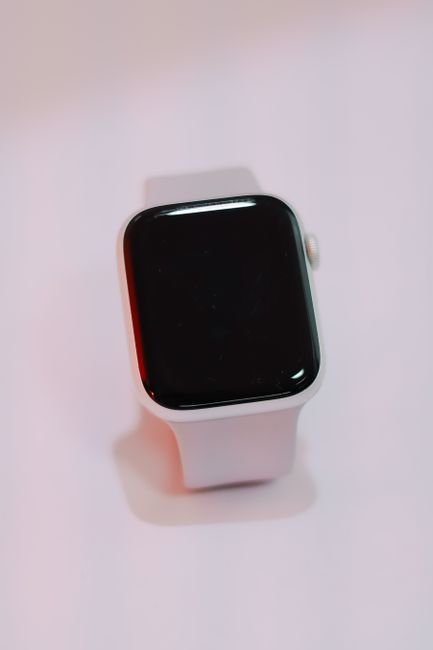
Apple Watch Original Price: Exploring the Launch Day Costs
The Apple Watch, a device that has fundamentally reshaped the wearable technology landscape, first graced consumers with its presence on April 24, 2015. Its launch was met with a fervor akin to previous Apple product unveilings, but the pricing structure presented a unique and multifaceted approach, catering to a diverse range of budgets and aesthetic preferences. Understanding the original price of the Apple Watch isn’t just a historical footnote; it’s a deep dive into Apple’s strategic market segmentation and its ambitious vision for a personal, always-connected accessory.
At its core, the Apple Watch lineup was divided into three distinct collections: the Apple Watch Sport, the Apple Watch, and the Apple Watch Edition. This tiered approach allowed Apple to target a broader audience, from the fitness-conscious and budget-minded to those seeking a luxury statement piece. The material, craftsmanship, and included band significantly influenced the price point within each collection.
The most accessible entry point into the Apple Watch ecosystem was the Apple Watch Sport. Designed with durability and everyday wear in mind, it featured an anodized aluminum case available in silver and space gray. The display was protected by Ion-X glass, a robust and scratch-resistant material. The Sport model came bundled with a vibrant, sweat-resistant fluoroelastomer band in a variety of colors, including blue, green, pink, white, and black. The launch price for the Apple Watch Sport started at $349 for the 38mm model. The larger 42mm version, offering a slightly bigger display and battery, was priced at $399. This pricing strategy positioned the Sport model as a direct competitor to existing fitness trackers and smartwatches, albeit with Apple’s signature premium user experience and ecosystem integration.
Moving up the ladder, the Apple Watch collection represented the mainstream offering, blending sophisticated design with everyday functionality. These models boasted a polished stainless steel case, available in either stainless steel or space black stainless steel. The display was shielded by sapphire crystal, a significantly more scratch-resistant material than the Ion-X glass found on the Sport model, promising greater longevity and a more premium feel. The Apple Watch also came with a wider array of band options, including the Milanese Loop, Leather Loop, Classic Buckle, and Link Bracelet, each contributing to a different aesthetic and price point. The base price for the 38mm Apple Watch with a Sport Band (still a fluoroelastomer option, but packaged with the more premium casing) began at $549. The 42mm version of the standard Apple Watch started at $599. As users opted for more elaborate bands, the prices climbed considerably. For instance, the Apple Watch with a stainless steel Link Bracelet could reach upwards of $1099. This mid-tier pricing acknowledged the desire for a more refined and customizable device, appealing to those who valued both technology and style.
The pinnacle of the Apple Watch launch was the Apple Watch Edition. This collection was conceived as a true luxury item, crafted from precious metals and positioned to compete with traditional high-end timepieces. The Edition models were available in 18-karat yellow gold or 18-karat rose gold, showcasing Apple’s ambition to enter the luxury goods market. The cases were meticulously crafted, and the displays were, of course, protected by sapphire crystal. The Edition models were exclusively paired with exquisite bands, such as the Modern Buckle in luxurious leather or the bespoke 18-karat gold deployant clasp. The starting price for the 38mm Apple Watch Edition was a staggering $10,000. The 42mm versions and those with more elaborate bands commanded even higher prices, with some configurations reaching up to $17,000. This ultra-premium pricing was a bold statement, signaling that the Apple Watch was not merely a gadget but a symbol of status and affluence. It aimed to attract a clientele accustomed to the exclusivity and craftsmanship of traditional luxury watch brands.
It’s crucial to note that within each collection and for each size, there were variations in band pairings that affected the final price. For example, an Apple Watch Sport with a different colored Sport Band might have had the same listed price, but the choice of band for the standard Apple Watch and particularly the Edition models had a more significant impact on the overall cost. The pricing strategy was not just about the core device but also about the holistic experience and the perceived value of the materials and design.
The launch day prices of the Apple Watch were a carefully calculated move by Apple. By offering a tiered pricing structure, they aimed to democratize access to their wearable technology while simultaneously creating aspirational products at the highest end. The $349 starting price for the Sport model made the Apple Watch a viable option for a wide demographic, while the $10,000+ price tag for the Edition models cemented its position as a luxury item. This strategy allowed Apple to capture market share across different segments, from early adopters and tech enthusiasts to fashion-forward individuals and those seeking the ultimate in technological luxury. The original pricing of the Apple Watch was instrumental in defining its identity and setting the stage for its subsequent evolution as a category-defining device.