
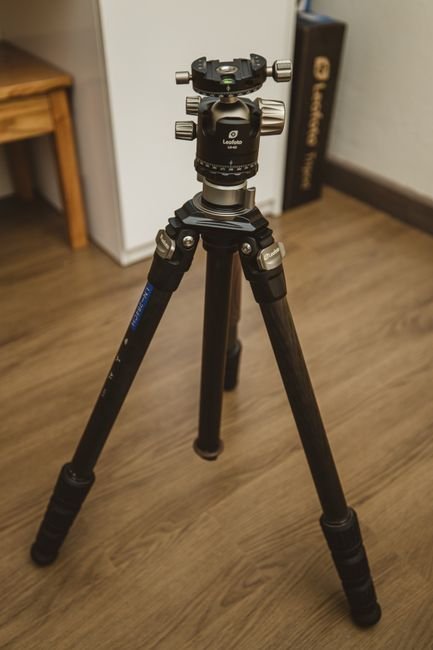
Investing in a Quality Tripod: Long-Term Photography Benefits
In the pursuit of photographic excellence, many enthusiasts focus their attention on camera bodies, lenses, and specialized lighting equipment. While these are undoubtedly crucial components of a photographer’s arsenal, a foundational piece of gear often overlooked or underestimated is the humble tripod. Far from being merely an accessory, investing in a high-quality tripod is a strategic decision that yields significant long-term benefits, elevating not only image quality but also creative potential and overall photographic workflow.
The immediate and most apparent advantage of a robust tripod is its ability to eliminate camera shake. This is particularly critical in situations demanding longer exposure times. Low-light environments, such as twilight landscapes, dimly lit interiors, or nighttime cityscapes, necessitate longer shutter speeds to capture sufficient light. Without a stable platform, even the slightest hand tremor during these extended exposures will result in blurred, unusable images. A quality tripod, with its sturdy legs and secure locking mechanisms, provides the unwavering stillness required for tack-sharp photographs, preserving intricate details and preventing the frustration of missed moments.
Beyond combating blur, a tripod empowers photographers to explore creative techniques that are otherwise impossible. Long exposure photography, a genre that thrives on capturing motion blur, becomes accessible. Think of the silky smooth water in waterfalls, the streaking headlights of cars at night, or the ethereal trails of stars across the night sky. These captivating effects are directly dependent on the camera remaining perfectly still for extended periods, a feat achievable only with a reliable tripod. Similarly, intentional camera movement (ICM), while seemingly counterintuitive, can be artistically controlled and repeated with greater precision when the camera is mounted on a tripod, allowing for deliberate blurs and abstract compositions.
Furthermore, a tripod is indispensable for achieving consistent framing and precise composition. When shooting a series of images for techniques like panorama stitching, HDR (High Dynamic Range) bracketing, or focus stacking, maintaining an identical camera position and angle across multiple shots is paramount. A tripod ensures that each frame aligns perfectly, simplifying post-processing and guaranteeing seamless integration of multiple exposures into a single, stunning image. This level of control is vital for professional results and allows for greater creative manipulation in editing.
The ergonomic benefits of a quality tripod also contribute to long-term photographic enjoyment and efficiency. Carrying a heavy camera and lens setup for extended periods can be physically demanding. A tripod allows photographers to rest their gear, reducing fatigue and enabling them to concentrate on their subject and composition rather than the strain of holding their equipment. This is especially relevant for landscape photographers who often trek to remote locations, or for portrait photographers who may spend hours on a shoot. A well-designed tripod can also feature adjustable height and angle capabilities, allowing for comfortable shooting from various perspectives, from low-angle macro shots to elevated viewpoints.
Investing in a durable tripod also translates to longevity and reliability. Cheaper, less robust models are prone to wear and tear, developing wobbles, sticky joints, or brittle plastic components. These issues not only compromise image quality but also necessitate frequent replacements, proving more expensive in the long run. A well-constructed tripod, often crafted from materials like carbon fiber or high-grade aluminum, is built to withstand the rigors of travel, varied weather conditions, and frequent use. This durability ensures that your investment will serve you faithfully for years, becoming a trusted companion on countless photographic adventures.
The impact on image sharpness and detail cannot be overstated. Even with advanced in-camera image stabilization, there are limits to what can be achieved. For critical sharpness, especially when pixel-peeping or printing large images, a tripod is non-negotiable. It eliminates the minute vibrations that even the best stabilization systems cannot fully counteract, allowing your lens to perform at its optimal resolution. This translates to cleaner, more detailed images with crisper edges and finer textures.
Moreover, a tripod fosters a more deliberate and thoughtful approach to photography. The act of setting up a tripod encourages photographers to slow down, observe their surroundings, and carefully consider their composition, lighting, and camera settings. This deliberate pace contrasts with the often rushed nature of handheld shooting, leading to more intentional and impactful images. It shifts the focus from simply capturing a moment to crafting a deliberate photographic statement.
For videographers, the benefits are equally profound. A tripod provides the smooth panning and tilting essential for professional-looking video footage. Unsteady camera movements are a hallmark of amateur video, detracting from the viewer’s experience. A fluid head mounted on a sturdy tripod allows for controlled camera movements that add polish and professionalism to any video project, from vlogs to documentaries.
The versatility offered by a quality tripod is another significant long-term advantage. Many tripods come with interchangeable heads, allowing photographers to adapt their setup to different shooting styles. Ball heads offer quick adjustments, while pan-tilt heads provide more precise control for architectural photography or video. Some tripods also feature center columns that can be reversed or extended horizontally, enabling unique perspectives for macro photography or overhead shots. This adaptability ensures that your tripod can grow with your photographic interests.
In conclusion, while the initial cost of a high-quality tripod might seem substantial, its long-term benefits far outweigh the investment. From ensuring tack-sharp images in challenging lighting to unlocking creative potential, improving ergonomics, and providing unwavering reliability, a quality tripod is an essential tool for any serious photographer. It is an investment in sharper images, more creative freedom, a more comfortable workflow, and ultimately, a more fulfilling photographic journey. The difference between a wobbly, unreliable tripod and a solid, dependable one is the difference between frustration and photographic mastery.