
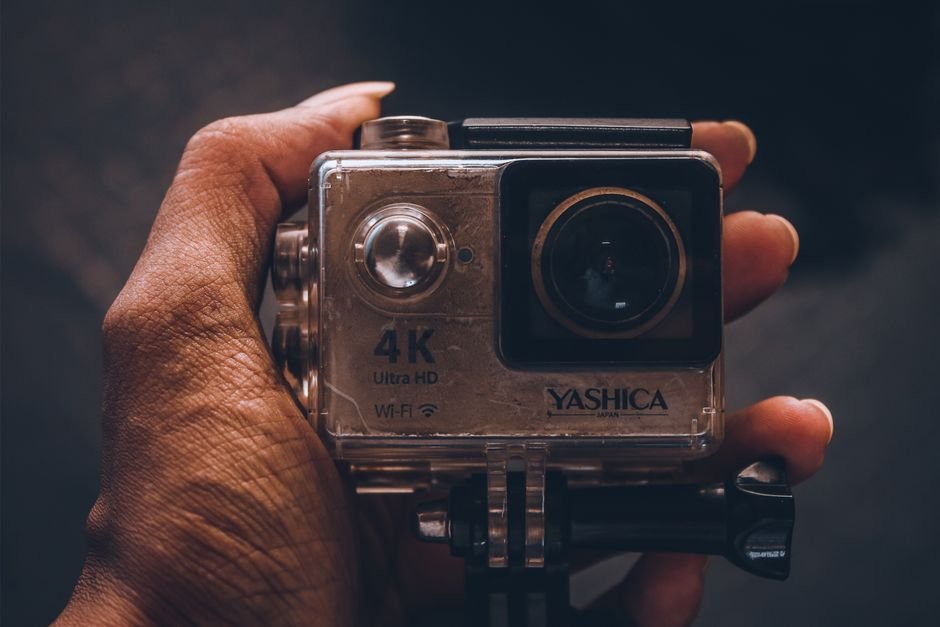
Action Camera Buying Guide: Find Your Perfect Shot
The thrill of adventure, the rush of adrenaline, the breathtaking scenery – capturing these moments with crystal clarity requires more than just a smartphone. Action cameras, with their rugged durability and compact form factor, are designed to withstand the elements and record your exploits from unique perspectives. But with a dizzying array of options, choosing the right one can feel like navigating a white-water rapid. This comprehensive guide will equip you with the knowledge to find your perfect shot.
Understanding Your Needs: The Foundation of Your Choice
Before diving into technical specifications, ask yourself: What will you be doing with your action camera?
- Extreme Sports Enthusiast: Skiing, snowboarding, mountain biking, surfing, skydiving – these activities demand robust build quality, excellent image stabilization, and high frame rates for slow-motion playback.
- Traveler/Vlogger: Documenting journeys, creating travel vlogs, or capturing everyday life in a portable way requires good video quality, ease of use, and perhaps a dedicated microphone input for better audio.
- Underwater Explorer: Scuba diving, snorkeling, or even poolside fun necessitates a camera with inherent waterproof capabilities or a reliable underwater housing.
- Casual User: Capturing family vacations, outdoor activities, or simply documenting everyday life might prioritize user-friendliness, affordability, and good all-around performance.
Key Features to Consider: Decoding the Specs
Once your primary use case is identified, it’s time to dissect the crucial features that differentiate action cameras:
1. Video Resolution and Frame Rates:
- Resolution: This dictates the sharpness and detail of your footage.
- 1080p (Full HD): Still a solid option for many users, offering good quality at a lower file size.
- 4K (Ultra HD): The current standard for high-quality action camera footage. It provides four times the detail of 1080p, allowing for significant cropping and zooming in post-production without losing quality.
- Higher Resolutions (5K, 8K): Emerging on some premium models, offering unparalleled detail but requiring powerful editing hardware and significant storage.
- Frame Rates (fps – frames per second): This affects the smoothness of motion and the ability to create slow-motion effects.
- 24/25/30fps: Standard for cinematic and natural-looking footage.
- 60fps: Ideal for capturing fast-paced action with smoother playback.
- 120fps and Higher: Essential for dramatic slow-motion playback, allowing you to dissect intricate movements in sports or nature. Higher frame rates are typically available at lower resolutions (e.g., 1080p at 120fps, 4K at 60fps).
2. Image Stabilization:
This is arguably the most critical feature for action cameras. It counteracts shakes and vibrations, resulting in smooth, professional-looking footage, even when you’re on the move.
- Electronic Image Stabilization (EIS): Software-based, it digitally crops the image to compensate for movement. Modern EIS is incredibly effective, often producing gimbal-like smoothness.
- Optical Image Stabilization (OIS): Uses physical lens elements to counteract movement. Less common in action cameras due to size and complexity constraints, but offers superior stabilization with less digital cropping.
- Hybrid Stabilization: Combines EIS and OIS for the best of both worlds.
3. Durability and Waterproofing:
Action cameras are built to endure.
- Ruggedness: Look for cameras with durable exteriors, often made from reinforced plastics or rubberized coatings, to withstand drops and impacts.
- Waterproofing:
- Built-in Waterproofing: Many cameras are waterproof to a certain depth (e.g., 10 meters/33 feet) without an external case.
- Waterproof Housings: For deeper dives or extreme conditions, an optional waterproof housing is essential. Ensure compatibility and depth ratings.
- Temperature Resistance: Consider if you’ll be using the camera in extreme hot or cold environments.
4. Lens Type and Field of View (FOV):
- FOV: This determines how much of the scene the camera captures.
- Wide-Angle (e.g., 140-170 degrees): Captures a vast expanse, ideal for immersive shots and fitting more into the frame.
- Super-Wide-Angle (e.g., 170+ degrees): Offers an extreme fisheye effect, creating a dramatic, immersive perspective.
- Narrower FOV: Some cameras offer adjustable FOVs or digital zoom for more focused shots, though this can impact image quality.
5. Battery Life:
Action cameras can be power-hungry, especially when recording at high resolutions or frame rates.
- Battery Capacity: Higher mAh ratings generally mean longer recording times.
- Removable Batteries: Crucial for extended adventures. Carrying spare batteries is a must.
- Charging Options: USB-C charging is standard and convenient.
6. Audio Quality:
While often an afterthought, good audio can significantly enhance your footage.
- Built-in Microphones: Most action cameras have decent built-in mics for general use.
- External Microphone Input: Essential for vloggers or anyone prioritizing clear, professional audio. This allows you to connect a dedicated external microphone.
- Wind Noise Reduction: A valuable feature for outdoor recording.
7. Connectivity and Control:
- Wi-Fi and Bluetooth: Enable wireless transfer of footage to your smartphone or tablet for easy editing and sharing.
- Mobile App: A well-designed app is crucial for controlling camera settings, previewing shots, and editing on the go.
- Voice Control: Convenient for hands-free operation.
- Touchscreen Display: Improves usability and makes navigating menus easier.
8. Mounting Options and Accessories:
The versatility of an action camera lies in its ability to be mounted almost anywhere.
- Standard Mounts: Most cameras use a universal mounting system, allowing for a wide range of accessories.
- Essential Accessories: Chest mounts, helmet mounts, handlebar mounts, suction cup mounts, and floating grips are common. Consider what accessories are included or readily available.
Top Action Camera Brands and Their Strengths:
- GoPro: The undisputed leader, known for its exceptional video quality, robust stabilization, and vast ecosystem of accessories. They offer a range of models from entry-level to professional.
- DJI: A major player in the drone market, DJI’s Osmo Action cameras offer impressive stabilization, excellent image quality, and innovative features like a front-facing screen.
- Insta360: Specializes in 360-degree cameras but also offers excellent traditional action cameras with unique features like invisible selfie sticks and advanced stabilization.
- Akaso/Apeman/Campark: These brands offer more budget-friendly alternatives that can provide excellent value for casual users and those on a tighter budget. They often mimic the features of more expensive brands.
Choosing the Right Model: A Practical Approach
For the Extreme Sports Enthusiast:
- Prioritize: Top-tier video resolution (4K or higher), high frame rates (120fps+ at 1080p), superior image stabilization, and extreme durability.
- Look for: Models like the GoPro HERO Black series or DJI Osmo Action.
For the Traveler/Vlogger:
- Prioritize: Excellent video quality (4K), good audio options (external mic input is a plus), user-friendly interface, and a compact, portable design.
- Look for: Models with a flip-out screen for vlogging, good battery life, and a robust mobile app. GoPro HERO series and DJI Osmo Action are strong contenders.
For the Underwater Explorer:
- Prioritize: Built-in waterproofing to a sufficient depth or a reliable, readily available underwater housing. Good low-light performance can also be beneficial.
- Look for: Cameras with inherent waterproofing (e.g., 10m+) and consider brands that offer robust underwater housing options.
For the Casual User:
- Prioritize: Good all-around performance, ease of use, affordability, and decent video quality (1080p or 4K).
- Look for: Budget-friendly options from brands like Akaso or Campark, or consider slightly older but still capable models from major brands.
Tips for Capturing Your Perfect Shot:
- Experiment with Mounts: Don’t be afraid to try different mounting positions to find unique and dynamic perspectives.
- Master Stabilization Settings: Learn how to adjust your camera’s stabilization to suit the activity.
- Utilize Frame Rates: Shoot in slow-motion for dramatic effect, but also capture at standard frame rates for everyday footage.
- Focus on Audio: If audio is important, invest in an external microphone.
- Edit Your Footage: Post-production is where your raw footage transforms into a compelling story.
- Protect Your Investment: Invest in a good case, screen protectors, and spare batteries.
By carefully considering your needs and understanding the key features, you can confidently navigate the action camera market and find the