
The Future of Fitness: Slim Smartwatch Trends for Women
The landscape of personal health and wellness is undergoing a profound transformation, and at its epicenter lies the evolution of wearable technology. For women, in particular, the integration of fitness tracking into everyday life has become increasingly sophisticated and aesthetically pleasing, with slim smartwatches emerging as powerful allies in achieving health goals. These devices are no longer just basic step counters; they are intelligent companions offering personalized insights, proactive health management, and seamless integration into a modern woman’s lifestyle. The future of fitness, as shaped by these sleek, intelligent wearables, promises a more informed, empowered, and enjoyable journey towards well-being.
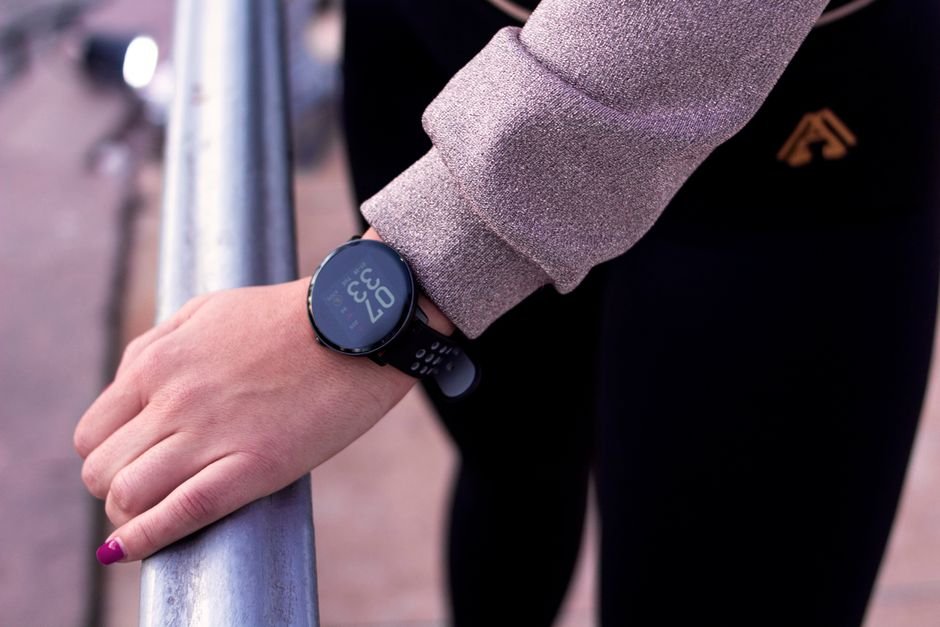
One of the most significant trends is the miniaturization and aesthetic refinement of smartwatches. Gone are the bulky, utilitarian designs of early trackers. Today’s slim smartwatches for women prioritize elegance and comfort, blending seamlessly with any attire, from workout gear to professional business wear. Brands are increasingly offering a wider array of finishes, materials, and customizable watch faces to cater to diverse personal styles. This focus on design ensures that women are not only motivated by the technology but also proud to wear it as a fashion accessory. Expect to see more premium materials like ceramic, titanium, and hypoallergenic stainless steel, alongside an expansion of band options, including fine leather, woven fabrics, and even elegant metal mesh. The goal is to make the smartwatch an indispensable part of a woman’s daily ensemble, thus increasing consistent usage and data collection.
Beyond aesthetics, the future lies in advanced, women-centric health monitoring. While many smartwatches track heart rate, sleep, and steps, the next generation will offer deeper, more nuanced insights tailored to female physiology. This includes sophisticated menstrual cycle tracking, ovulation prediction, and even early detection of potential hormonal imbalances through subtle physiological cues. Features like stress monitoring, incorporating heart rate variability (HRV) and electrodermal activity (EDA) sensors, will become more refined, offering personalized relaxation techniques and mindfulness prompts. Furthermore, the integration of blood oxygen saturation (SpO2) monitoring, ECG capabilities for detecting irregular heart rhythms, and even non-invasive blood glucose monitoring (though still in its nascent stages) will empower women with a more comprehensive understanding of their cardiovascular and metabolic health. The ability to detect subtle changes and receive proactive alerts can be crucial for early intervention and preventative care.
Personalized coaching and AI-driven insights are another cornerstone of future fitness trends. Smartwatches are evolving from passive data collectors to active health coaches. Artificial intelligence algorithms will analyze an individual’s unique data – activity levels, sleep patterns, stress responses, and even dietary inputs (via companion apps) – to provide tailored recommendations. This could manifest as personalized workout suggestions that adapt to recovery levels, sleep-enhancing tips based on detailed sleep stage analysis, or even guidance on stress management techniques tailored to specific triggers identified by the watch. For women navigating different life stages, such as pregnancy or menopause, these AI coaches will offer specialized advice and support, adapting exercise routines and offering relevant health information. The aim is to move beyond generic advice to provide actionable, individualized guidance that maximizes effectiveness and minimizes the risk of injury or burnout.
The democratization of advanced fitness metrics is also a key development. Features once exclusive to professional athletes or clinical settings are becoming more accessible. This includes detailed running dynamics (cadence, stride length, ground contact time), advanced swimming metrics (stroke count, SWOLF score), and even recovery scores that help women understand when their bodies are ready for intense training. For strength training, future smartwatches will likely incorporate automatic rep counting and form analysis, providing feedback to optimize technique and prevent injuries. This granular data empowers women to understand their performance at a deeper level, enabling them to set more effective training goals and track progress with greater accuracy.
Seamless integration with the broader digital health ecosystem is crucial for the future of slim smartwatches. These devices will act as central hubs, effortlessly syncing data with a multitude of other health and wellness applications, from nutrition trackers and meditation apps to telehealth platforms and electronic health records. This interconnectedness allows for a holistic view of a woman’s health, enabling her to share relevant data with her healthcare providers, personal trainers, or even family members, fostering a more collaborative approach to well-being. Imagine your smartwatch automatically adjusting your smart home thermostat based on your body temperature or alerting your connected refrigerator to suggest healthy meal options based on your activity levels. The possibilities for a truly integrated health experience are vast.
Furthermore, enhanced sleep tracking and recovery optimization will be paramount. As women understand the critical role of sleep in overall health, smartwatches will provide increasingly detailed analysis of sleep stages (light, deep, REM), disturbances, and overall sleep quality. Beyond mere tracking, they will offer actionable strategies for improvement, such as personalized bedtime reminders, ambient soundscapes, and even light therapy recommendations. The concept of “readiness” scores, which combine sleep quality, recent activity, and heart rate variability, will become more sophisticated, guiding women on whether to push hard in their workouts or prioritize rest and recovery.
The future also holds the promise of improved battery life and faster charging, addressing a common pain point for smartwatch users. As new technologies emerge and power efficiency improves, women will be able to enjoy extended periods of use without constant charging, making their smartwatches even more reliable companions. Wireless charging and even solar-assisted charging could become more prevalent, further enhancing convenience.
Finally, gamification and social connectivity will continue to play a vital role in keeping women engaged and motivated. Smartwatch platforms will increasingly incorporate challenges, leaderboards, and virtual rewards, transforming fitness into a more enjoyable and engaging experience. The ability to connect with friends, share progress (selectively, of course), and participate in group challenges can provide a powerful sense of community and accountability. This social aspect can be particularly impactful for women, fostering supportive networks that encourage consistent healthy habits. The evolution of slim smartwatches for women signifies a paradigm shift towards personalized, proactive, and aesthetically integrated health management. These devices are not just tools; they are intelligent partners empowering women to take charge of their well-being with unprecedented insight and convenience.