
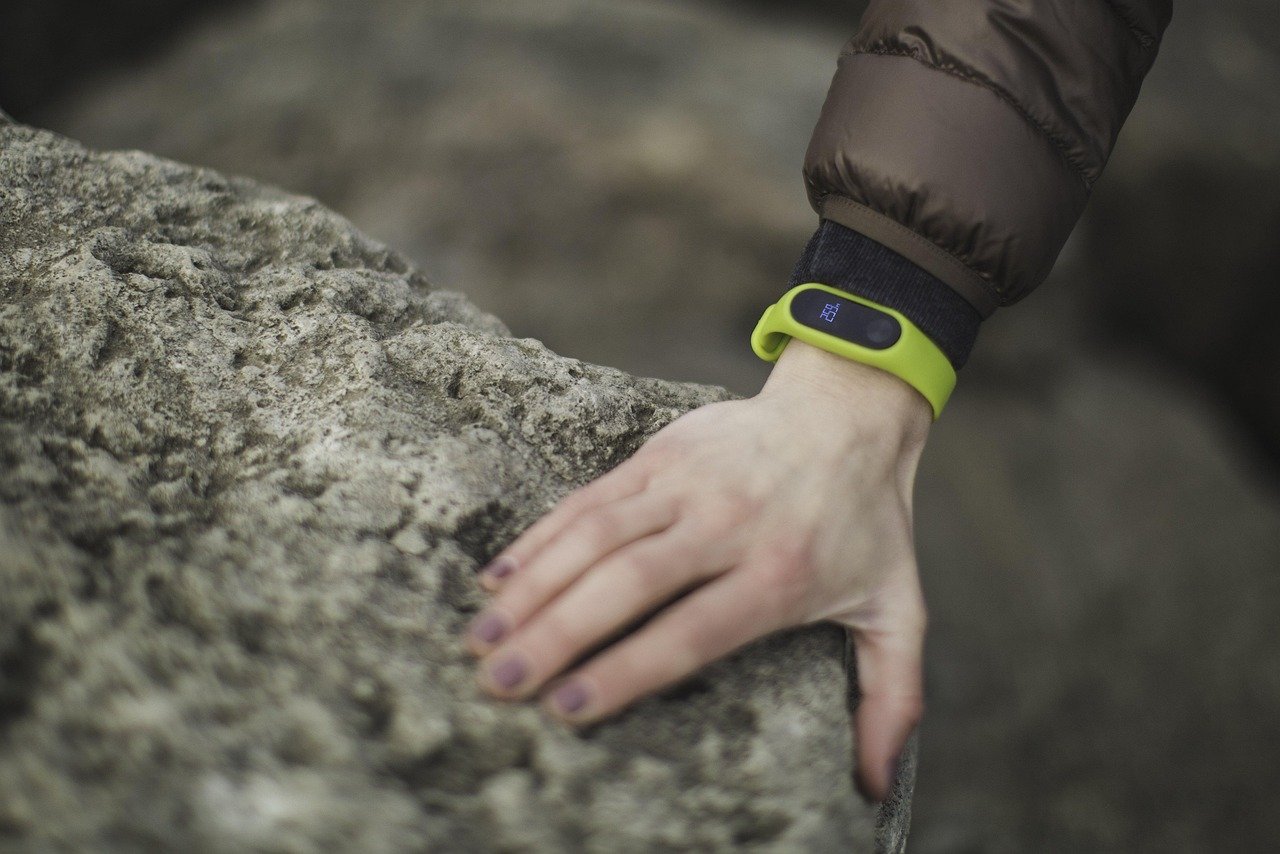
The landscape of personal health monitoring is undergoing a rapid evolution, driven by increasingly sophisticated fitness trackers. These wearable devices, once primarily focused on step counting and basic heart rate monitoring, are now poised to become indispensable tools for comprehensive well-being management. The future of fitness trackers promises a wave of innovations that will deepen our understanding of our bodies, personalize our health journeys, and seamlessly integrate with our lives.
One of the most significant advancements on the horizon is the integration of non-invasive blood glucose monitoring. Currently, managing blood sugar levels for individuals with diabetes or pre-diabetes requires painful finger pricks or continuous glucose monitors (CGMs) that involve subcutaneous sensors. Future fitness trackers are expected to leverage advanced optical, bioimpedance, or even breath analysis techniques to estimate glucose levels without breaking the skin. This breakthrough would democratize glucose monitoring, making it accessible and less intrusive for millions, allowing for proactive dietary adjustments and early detection of metabolic issues. Imagine a device that alerts you to an impending sugar spike before it happens, enabling you to make a healthier choice in real-time.
Beyond glucose, expect a surge in advanced physiological sensing capabilities. Current trackers offer heart rate, SpO2, and sleep stages. The next generation will delve into more nuanced metrics. Continuous blood pressure monitoring, a holy grail for cardiovascular health, is becoming increasingly feasible. Early prototypes are exploring cuffless, optical, or oscillometric methods that can provide real-time, trend-based blood pressure data, aiding in the management of hypertension. Furthermore, hydration level tracking through bioimpedance or sweat analysis will become commonplace, crucial for athletes and individuals in demanding environments. The ability to monitor cortisol levels non-invasively could offer unprecedented insights into stress management and recovery, helping users identify burnout before it takes a significant toll.
The realm of sleep tracking will move beyond mere duration and stages to offer deeper insights into sleep quality and its impact on overall health. Future trackers will likely analyze brainwave activity (though likely not with the precision of a clinical EEG, but enough for actionable insights) to identify specific sleep disorders like sleep apnea with greater accuracy. They will also correlate sleep patterns with other physiological data, such as heart rate variability and body temperature, to provide personalized recommendations for optimizing sleep hygiene. Imagine your tracker suggesting specific bedtime routines based on your unique sleep architecture and daily stress levels.
Personalized AI-driven insights and predictive analytics will be the true game-changer. Fitness trackers will evolve from passive data collectors to intelligent health coaches. Advanced algorithms will analyze the vast amounts of data collected to identify subtle patterns and anomalies that might indicate an increased risk of certain health conditions. This could include early detection of cardiovascular irregularities, potential signs of infection, or even mental health indicators. These devices will move beyond generic advice to offer highly personalized recommendations for exercise, nutrition, stress management, and recovery, tailored to an individual’s unique physiology, lifestyle, and even genetic predispositions (as data integration with genetic testing becomes more prevalent).
Enhanced recovery and performance optimization will be a key focus for athletes and fitness enthusiasts. Beyond basic recovery metrics, future trackers will offer more sophisticated analysis of muscle fatigue, inflammation markers (potentially through sweat analysis), and even neural recovery. This will enable athletes to fine-tune their training regimens, prevent overtraining, and maximize their performance potential. Imagine a tracker that not only tells you you’re recovered but suggests specific mobility exercises to address any lingering muscle imbalances identified.
Seamless integration with the broader health ecosystem is another critical trajectory. Fitness trackers will become integral components of a connected health network. This means robust, secure data sharing with healthcare providers, electronic health records (EHRs), and other health applications. This interoperability will empower physicians with more comprehensive patient data, leading to more informed diagnoses and personalized treatment plans. Imagine your doctor having real-time access to your blood pressure trends and activity levels, allowing for proactive interventions. Furthermore, integration with smart home devices will create a more holistic wellness environment, with your tracker adjusting lighting for optimal sleep or your thermostat optimizing for recovery.
Biometric authentication and contactless payments will become standard features, blurring the lines between personal device and digital wallet. This convenience will further embed trackers into our daily routines, making them indispensable for more than just health. Imagine paying for your post-workout smoothie with a simple wrist gesture.
The material science and design of fitness trackers will also see significant innovation. We can expect the use of more flexible, biocompatible, and durable materials, potentially integrating sensors directly into clothing or even jewelry. The aesthetic will shift from purely utilitarian to fashion-forward, making these devices more appealing to a wider demographic. The focus will be on unobtrusive and comfortable wear, ensuring users forget they are even wearing a device.
Advanced haptic feedback and augmented reality (AR) integration will enhance user interaction. Haptic feedback will provide more nuanced alerts and guidance, while AR overlays could offer real-time form correction during workouts or visualize biometric data in a more intuitive way. Imagine your AR glasses displaying your heart rate zone overlaid on your vision during a run, or your tracker vibrating to guide you through a yoga pose with precise timing.
Finally, the ethical considerations and data privacy surrounding these advanced devices will be paramount. As trackers gather increasingly sensitive personal health information, robust security measures and transparent data usage policies will be crucial for building and maintaining user trust. The future hinges on responsible innovation that prioritizes user well-being and data security. The evolution of fitness trackers is not just about collecting more data; it’s about transforming that data into actionable, personalized insights that empower individuals to live healthier, more informed lives.