
Unveiling the Pinnacle of Comfort: The Latest Technology in 1.5 Ton Inverter ACs
The 1.5-ton inverter air conditioner has long been the workhorse for medium-sized rooms, striking a perfect balance between cooling power and energy efficiency. However, the relentless pace of technological innovation has propelled these units into a new era of smart, silent, and supremely comfortable climate control. Gone are the days of clunky compressors and fluctuating temperatures. Today’s 1.5-ton inverter ACs are sophisticated marvels, integrating cutting-edge features that redefine home comfort and operational intelligence.
At the heart of these advancements lies the evolution of Inverter Compressor Technology. While the core principle of variable speed operation remains, the latest generation boasts enhanced efficiency, whisper-quiet performance, and a wider operating frequency range. This allows the compressor to precisely match cooling demands, minimizing energy consumption by avoiding the on-off cycles of traditional ACs. Advanced algorithms within the inverter drive continuously monitor ambient temperature and user settings, adjusting the compressor’s speed in micro-increments. This not only saves electricity but also leads to a more stable and consistent room temperature, eliminating those uncomfortable drafts or sudden warmth. Manufacturers are also focusing on highly durable and efficient compressor designs, often employing advanced materials like copper or specialized alloys for increased longevity and heat dissipation.
Beyond the compressor, Smart Connectivity and IoT Integration are rapidly becoming standard. Many 1.5-ton inverter ACs now come equipped with Wi-Fi capabilities, allowing users to control their units remotely via smartphone apps. This goes far beyond simple on/off functions. Users can pre-cool their homes before arriving, set schedules based on their daily routines, and even monitor energy consumption in real-time. Voice control integration with popular smart assistants like Amazon Alexa and Google Assistant further enhances convenience, allowing for hands-free operation. Imagine adjusting the temperature or switching modes with a simple voice command. This interconnectedness also opens doors for predictive maintenance alerts, where the AC can notify users of potential issues before they become major problems, ensuring optimal performance and preventing costly repairs.
Advanced Air Purification and Filtration Systems are another significant area of development. Recognizing the growing concern for indoor air quality, manufacturers are integrating multi-stage filtration processes. These often include:
- High-Efficiency Particulate Air (HEPA) Filters: These capture microscopic particles like dust, pollen, pet dander, and even some bacteria and viruses, significantly improving the air you breathe.
- Activated Carbon Filters: These are adept at absorbing odors from cooking, smoke, and pet smells, leaving your home smelling fresh.
- Electrostatic Filters: These use static electricity to attract and trap airborne particles, further enhancing filtration efficiency.
- Specialized Filters: Some models incorporate filters designed to neutralize specific pollutants, such as formaldehyde or volatile organic compounds (VOCs), contributing to a healthier indoor environment.
- UV-C Sterilization: A growing trend is the inclusion of UV-C lamps within the AC unit. These emit ultraviolet light that effectively kills bacteria, viruses, and mold spores circulating in the air, providing an extra layer of sanitization.
The pursuit of Enhanced Energy Efficiency continues to drive innovation. While inverter technology is the cornerstone, manufacturers are exploring additional avenues. This includes:
- Improved Aerodynamics and Fan Design: Optimized fan blades and internal airflow pathways reduce air resistance and noise, leading to more efficient operation.
- Advanced Heat Exchanger Technology: Larger surface areas, micro-channel designs, and specialized coatings on the evaporator and condenser coils enhance heat transfer efficiency, allowing the AC to cool or heat more effectively with less energy.
- Eco-Modes and Intelligent Sensors: Beyond basic eco-modes, newer ACs feature intelligent sensors that detect occupancy and ambient conditions. For instance, some can automatically adjust cooling intensity based on the number of people in the room or the amount of sunlight entering, further optimizing energy usage.
- R32 Refrigerant: The transition to R32 refrigerant is becoming widespread. This eco-friendly refrigerant has a lower Global Warming Potential (GWP) compared to older refrigerants like R410A and offers improved energy efficiency and cooling performance.
User Experience and Comfort Features are also receiving a significant upgrade. The focus is on creating a truly seamless and personalized cooling experience. This includes:
- Ultra-Quiet Operation: Advanced noise reduction technologies, including sound-dampening materials, optimized fan motor design, and intelligent compressor control, result in ACs that operate at exceptionally low noise levels, often comparable to a whisper. This is particularly beneficial for bedrooms and living areas where tranquility is paramount.
- Advanced Airflow Control: Multi-directional louvers, often with programmable swing patterns and memory functions, allow users to precisely direct airflow and create personalized comfort zones. Some models offer features like “follow me” sensors that detect the user’s location and direct cool air towards them.
- Dehumidification Modes: Beyond basic cooling, dedicated dehumidification modes efficiently remove excess moisture from the air, combating humidity-related discomfort and preventing mold growth.
- Self-Cleaning Functions: Many newer ACs incorporate automatic self-cleaning mechanisms that dry and sanitize the internal components, preventing the buildup of dust and bacteria, and ensuring cleaner air output and a longer lifespan for the unit.
- Intuitive User Interfaces: Both the remote controls and smartphone apps are designed with user-friendliness in mind, featuring clear icons, easy navigation, and customizable settings.
The integration of Artificial Intelligence (AI) and Machine Learning (ML) is beginning to transform 1.5-ton inverter ACs into truly intelligent appliances. AI algorithms can analyze user behavior patterns, predict future cooling needs, and optimize performance accordingly. For example, an AI-powered AC might learn that you prefer a cooler temperature in the evenings and automatically adjust its settings to meet that preference without explicit programming. It can also analyze weather forecasts and adjust its operation to pre-emptively cool your home before a heatwave hits, ensuring optimal comfort upon arrival. This level of predictive and adaptive control represents a significant leap forward in personalized climate management.
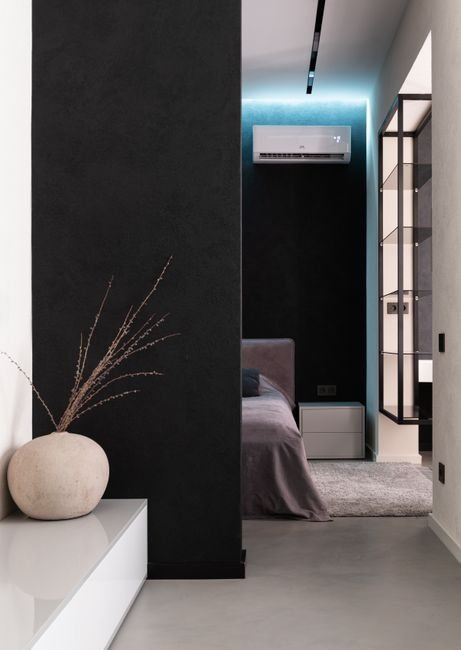
The materials and construction of these latest 1.5-ton inverter ACs also reflect a commitment to durability and performance. Premium quality components, such as corrosion-resistant coatings on outdoor units and robust internal wiring, are increasingly common, extending the lifespan of the appliance and ensuring reliable operation even in harsh environmental conditions. The aesthetic design has also evolved, with sleek, modern profiles that blend seamlessly into contemporary home décor.
In conclusion, the 1.5-ton inverter AC market is no longer just about cooling. It’s about creating an intelligent, healthy, and supremely comfortable living environment. The latest technological advancements are pushing the boundaries of energy efficiency, air quality, user convenience, and smart integration, making these units an indispensable part of modern homes.