
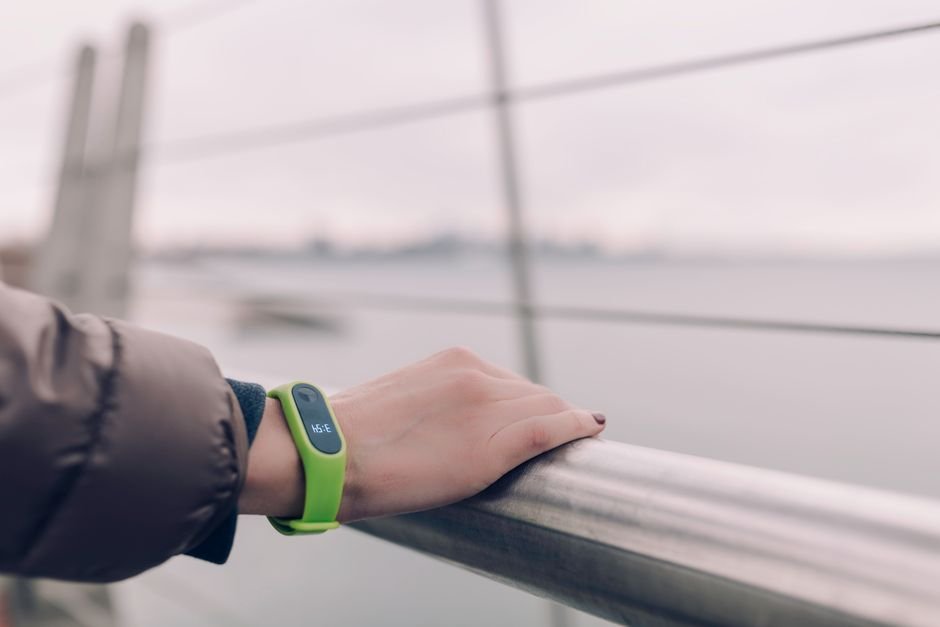
Beyond Basic: Feature-Rich Slim Smartwatches for Women’s Health
The landscape of wearable technology has dramatically evolved, moving far beyond simple step counting. For women, the modern smartwatch has become an indispensable tool for proactive health management, offering a sophisticated suite of features designed to track, understand, and improve well-being. While bulky, feature-laden devices once dominated, a new generation of slim, stylish smartwatches is emerging, specifically catering to women’s health needs without compromising on aesthetics or functionality. These aren’t just accessories; they’re personalized health companions, empowering users with data-driven insights and actionable guidance.
The Evolution of Women’s Health Tracking on Wearables:
Historically, smartwatches focused on general fitness metrics like heart rate, steps, and sleep. However, the growing understanding of gender-specific health concerns has driven innovation. Today’s advanced smartwatches offer features that address the unique physiological cycles and health priorities of women. This includes detailed menstrual cycle tracking, ovulation prediction, pregnancy monitoring, and even early detection of potential health issues through sophisticated sensor technology. The key is not just collecting data, but presenting it in a way that is intuitive, actionable, and empowers women to take control of their health journey.
Key Feature-Rich Smartwatches for Women’s Health:
Several brands are leading the charge in delivering slim, feature-rich smartwatches tailored for women’s health. These devices often boast a delicate design, comfortable wearability, and a comprehensive app ecosystem that complements the hardware.
- Advanced Menstrual Cycle and Fertility Tracking: This is a cornerstone feature. Beyond simply logging periods, these smartwatches utilize algorithms that learn individual cycle patterns, predict upcoming menstruation with increasing accuracy, and offer fertile window predictions. Some even go further, allowing users to log symptoms like mood swings, cramps, and discharge, providing a holistic view of their reproductive health. This data can be invaluable for family planning, managing hormonal imbalances, or simply understanding one’s body better.
- Sleep Analysis with Nuance: While many wearables track sleep duration, advanced models offer deeper insights into sleep stages (light, deep, REM), sleep quality scores, and disturbances. For women, this can be particularly relevant as hormonal fluctuations can significantly impact sleep. Understanding sleep patterns can help identify underlying issues, optimize sleep hygiene, and improve overall energy levels.
- Stress Management and Mindfulness Tools: Chronic stress can have a profound impact on women’s health, affecting everything from menstrual cycles to cardiovascular health. Feature-rich smartwatches often include stress tracking capabilities, measuring heart rate variability (HRV) to assess the body’s response to stress. They may also offer guided breathing exercises, meditation prompts, and mindfulness reminders, encouraging users to build resilience and manage stress effectively.
- Heart Health Monitoring Beyond the Basics: While continuous heart rate monitoring is standard, newer smartwatches are incorporating more advanced cardiac features. This can include irregular rhythm notifications (detecting potential atrial fibrillation), ECG (electrocardiogram) readings for on-demand heart rhythm analysis, and blood oxygen (SpO2) monitoring. These features can provide early warnings for cardiovascular issues, which are a significant health concern for women.
- Activity and Workout Tracking with Personalized Insights: Beyond generic step counts, these watches offer a wide array of sport modes, accurately tracking specific exercises like running, swimming, cycling, yoga, and strength training. They often provide personalized performance metrics, recovery recommendations, and VO2 Max estimates, helping women optimize their fitness routines for maximum benefit and injury prevention.
- Blood Oxygen (SpO2) Monitoring: This feature measures the oxygen saturation in the blood. While not exclusively for women, it can be an indicator of respiratory health, sleep apnea, and overall cardiovascular well-being, which can be influenced by hormonal changes and other factors prevalent in women’s health.
- Temperature Sensing for Deeper Insights: Some advanced smartwatches now incorporate skin temperature sensors. This data can be particularly useful for women tracking their menstrual cycles, as subtle temperature shifts can indicate ovulation. It can also provide insights into sleep quality and potential illness.
- Hydration and Nutrition Reminders: Maintaining adequate hydration and a balanced diet are crucial for overall health. Some smartwatches can be set to remind users to drink water throughout the day or log their food intake, encouraging healthier habits.
- Fall Detection and Emergency SOS: While a safety feature for all, fall detection can be particularly relevant for older women or those with certain health conditions. Upon detecting a fall, the watch can automatically alert emergency contacts, providing peace of mind.
- Integration with Health Platforms: Seamless integration with popular health apps and platforms (like Apple Health, Google Fit, or dedicated women’s health apps) is essential for consolidating all health data in one place. This allows for a more comprehensive overview and facilitates sharing information with healthcare providers if needed.
The Importance of Design and Comfort:
For smartwatches to be truly effective for women’s health, they must be comfortable and stylish enough to be worn consistently. The “slim” aspect is crucial here. Large, clunky devices can be uncomfortable for prolonged wear, especially during sleep or exercise. Brands are increasingly focusing on:
- Lightweight Materials: Utilizing materials like aluminum, titanium, or high-quality plastics to reduce weight.
- Ergonomic Design: Ensuring a snug yet comfortable fit on smaller wrists, with smooth edges and breathable strap options.
- Aesthetic Appeal: Offering a range of elegant finishes, customizable watch faces, and interchangeable bands that complement diverse personal styles, making them suitable for both athletic and professional settings.
- Discreet Notifications: Allowing users to customize notification settings to avoid constant interruptions, promoting a sense of calm and focus.
Choosing the Right Slim Smartwatch for Your Health Needs:
When selecting a feature-rich slim smartwatch for women’s health, consider the following:
- Prioritize Your Health Goals: Are you primarily focused on menstrual tracking, fitness, stress management, or a combination? Identify the features that align with your most important health priorities.
- Accuracy and Reliability of Data: Research user reviews and independent testing to gauge the accuracy of the watch’s sensors and algorithms, particularly for critical features like heart rate and cycle tracking.
- App Ecosystem and Usability: The accompanying app is as important as the watch itself. It should be intuitive, easy to navigate, and provide clear, actionable insights from your data.
- Battery Life: Consider how often you’re willing to charge the device. Many feature-rich smartwatches offer several days of battery life, while others may require daily charging.
- Water Resistance: If you’re active or enjoy swimming, ensure the watch has adequate water resistance ratings.
- Compatibility: Verify that the smartwatch is compatible with your smartphone (iOS or Android).
- Budget: Feature-rich smartwatches vary in price. Determine your budget and look for the best value within that range.
The Future of Women’s Health Wearables:
The innovation in women’s health wearables is far from over. We can anticipate even more advanced features, including:
- Non-invasive glucose monitoring: A holy grail in health tech, this could revolutionize diabetes management and provide deeper metabolic insights.
- Advanced hormonal tracking: Moving beyond basic cycle tracking to more nuanced monitoring of specific hormone levels.
- Personalized AI-driven health coaching: Smartwatches that offer tailored advice and interventions based on an individual’s unique health data.
- Integration with telehealth platforms: Seamlessly connecting users with healthcare professionals for remote consultations and monitoring.
Slim, feature-rich smartwatches are no longer a niche product; they are becoming essential tools for women seeking to understand, manage, and optimize their health. By offering sophisticated tracking capabilities within elegant and comfortable designs, these devices empower women to take a proactive and informed approach to their well-being, paving the way for a healthier future.