
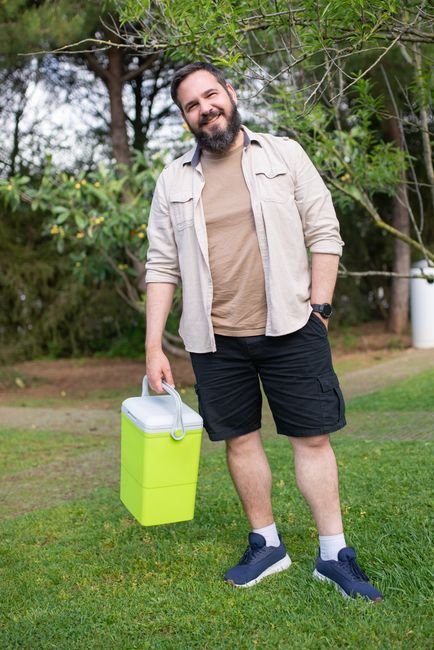
The Ultimate Cooler Buying Guide: Stay Chill All Summer
As the mercury climbs and the scent of barbecue fills the air, the humble cooler transforms from a mere container into an essential summer companion. Whether you’re embarking on a rugged camping trip, packing a picnic for a sun-drenched beach day, or simply aiming to keep your beverages frosty at a backyard gathering, the right cooler can make all the difference. Navigating the vast landscape of cooler options, however, can feel as daunting as an arctic expedition. This comprehensive guide will equip you with the knowledge to make an informed decision, ensuring you stay perfectly chilled all summer long.
Decoding Cooler Types: Beyond the Basic Box
The first step in choosing your ultimate cooler is understanding the distinct categories available, each catering to different needs and adventure levels.
-
Hard-Sided Coolers: These are the workhorses of the cooler world, renowned for their durability, superior insulation, and impressive ice retention. Constructed from robust plastic, often with thick foam insulation and airtight seals, hard-sided coolers are ideal for extended trips, extreme heat, and situations where longevity is paramount. They range from basic, budget-friendly models to high-performance, expedition-grade options featuring rotomolded construction for unparalleled toughness and insulation.
-
Soft-Sided Coolers (Cooler Bags): Offering a blend of portability and flexibility, soft-sided coolers are lightweight, easy to carry, and often feature multiple compartments for organization. They are perfect for day trips, picnics, concerts, and situations where space and ease of transport are key. While generally offering less ice retention than their hard-sided counterparts, modern soft-sided coolers have significantly improved insulation thanks to advanced materials and design.
-
Electric Coolers (Thermoelectric Coolers): These innovative coolers plug into a vehicle’s 12V outlet or a standard AC power source, actively cooling their contents rather than relying solely on ice. This eliminates the need for ice altogether, offering an unlimited cooling duration as long as power is available. Electric coolers are excellent for long road trips, RVing, and situations where access to ice is limited. However, they consume power and their cooling performance can be affected by ambient temperatures.
-
Backpack Coolers: A subcategory of soft-sided coolers, backpack coolers are designed to be worn on your back, freeing up your hands and distributing weight evenly. This makes them ideal for hiking, fishing, or any activity where you need to carry your cooler over longer distances. They typically offer a good balance of capacity, insulation, and portability.
Key Features to Consider: The Devil is in the Details
Once you’ve identified the cooler type that best suits your lifestyle, delve into the specific features that will elevate your cooling experience.
-
Insulation Quality: This is arguably the most crucial factor determining how long your cooler will keep your items cold. Look for coolers with thick walls and high-density foam insulation. For hard-sided coolers, the R-value (a measure of thermal resistance) can be an indicator of insulation performance, though it’s not always readily available. Rotomolded coolers generally offer the best insulation due to their seamless construction and thick, uniform walls. For soft-sided coolers, the type and thickness of the insulating material (e.g., closed-cell foam, aerogel) are key.
-
Ice Retention: This is the direct result of good insulation. Reputable brands often provide estimated ice retention times, but these are typically under ideal conditions. Factors like the amount of ice used, the temperature of the items placed inside, how often the cooler is opened, and the ambient temperature will all impact real-world performance. For extended trips, aim for coolers that promise at least 3-5 days of ice retention.
-
Capacity and Size: Coolers are measured in quarts, which refers to their internal volume. Consider how many people you’re typically serving and the types of items you’ll be storing. A good rule of thumb for a day trip is around 20-40 quarts per person. For longer excursions or larger groups, you’ll need a larger capacity. Don’t forget to factor in the dimensions to ensure it fits in your vehicle or storage space.
-
Durability and Construction: For hard-sided coolers, look for robust latches, hinges, and handles. Rotomolded construction is the gold standard for extreme durability, offering resistance to impacts, UV rays, and extreme temperatures. For soft-sided coolers, assess the quality of the fabric, zippers, and stitching. Water-resistant and UV-resistant materials are beneficial.
-
Portability and Ergonomics: Consider how you’ll be transporting your cooler. Are the handles comfortable and sturdy? Does it have wheels for easier movement, especially for larger capacities? For backpack coolers, are the shoulder straps padded and adjustable? Weight is also a factor, especially when the cooler is fully loaded.
-
Sealing and Gasket: An airtight seal is critical for preventing warm air from entering and cold air from escaping. Look for coolers with well-fitted gaskets (rubber or silicone seals) that create a vacuum when closed. Some high-end coolers feature integrated drain plugs with O-ring seals for a secure closure.
-
Drain Plug: A well-designed drain plug makes it easy to empty melted ice water without tipping the entire cooler. Look for a plug that is easy to operate and doesn’t leak. Some have a tether to prevent loss.
-
Features and Accessories: Depending on your needs, consider additional features like:
- Cup holders: Convenient for outdoor gatherings.
- Cutting boards: Integrated into the lid for food preparation.
- Dividers: For organizing contents and preventing items from getting crushed.
- Bottle openers: Built into the cooler or lid.
- Locking mechanisms: For security.
- Wheels and telescoping handles: For larger, heavier coolers.
High-Performance Cooler Brands: Investing in Excellence
While many brands offer reliable coolers, certain names have earned a reputation for exceptional performance and durability, particularly in the high-end segment.
-
Yeti: A pioneer in the premium cooler market, Yeti is synonymous with ruggedness, superior insulation, and impressive ice retention. Their rotomolded coolers are built to withstand extreme conditions and are a favorite among outdoor enthusiasts.
-
RTIC: Offering a similar level of performance to Yeti but often at a more competitive price point, RTIC coolers are also rotomolded and known for their excellent ice retention and durability.
-
Engel: With a long history in the cooler industry, Engel offers a range of high-quality hard-sided and electric coolers known for their robust construction and reliable cooling capabilities.
-
ORCA: Another strong contender in the premium rotomolded cooler space, ORCA coolers are known for their solid construction, excellent insulation, and a wide variety of colors and sizes.
-
Coleman: A household name in outdoor gear, Coleman offers a broad spectrum of coolers, from affordable and functional basic models to more insulated options. They are a great choice for budget-conscious consumers seeking reliable performance for everyday use.
-
Igloo: Similar to Coleman, Igloo provides a wide range of coolers at various price points. They are known for their accessible designs and dependable cooling for casual outings.
-
Arctic Zone: This brand focuses on providing effective insulation in both hard and soft-sided coolers, often incorporating advanced materials to maximize ice retention.
Maximizing Your Cooler’s Performance: Tips and Tricks
Purchasing a high-quality cooler is only half the battle. Proper preparation and usage will significantly extend its cooling power.
-
Pre-chill Your Cooler: Before packing, place the empty cooler in a cool environment (e.g., garage, basement) or fill it with ice packs overnight. This reduces the initial temperature difference the ice needs to overcome.
-
Use Block Ice: Block ice melts significantly slower than cubed ice, providing longer-lasting cold. Consider making your own large blocks by freezing water in food-grade containers.
-
Pack it Full: A full cooler stays colder longer. The more items you have inside, the less empty space there is for warm air to circulate. Fill any remaining gaps with towels or extra ice.
-
Layer Your Ice: Place a layer of ice at the bottom, then your items, followed by another layer of ice on top. This ensures consistent cooling throughout.
-
Keep it Closed: Every time you open the cooler, you allow warm air to enter. Minimize openings and retrieve items quickly. Consider using a separate cooler for drinks, which are typically accessed more frequently.
-
Keep it in the Shade: Direct sunlight will rapidly heat up your cooler. Place it under a tree, umbrella, or cover it with a blanket.
-
Use Ice Packs: Gel ice packs can supplement ice and help maintain a consistent temperature. They are reusable and less messy than melting ice.
-
Consider Dry Ice: For extended trips where maximum cold is essential, dry ice can be a powerful (but requires careful handling) option. Ensure your cooler is designed to handle the extreme cold of dry ice and use it with adequate ventilation.
By understanding the different types of coolers, carefully evaluating key features, and employing smart packing strategies, you can confidently select the ultimate cooler that will keep your refreshments perfectly chilled and your summer adventures cool and enjoyable.