
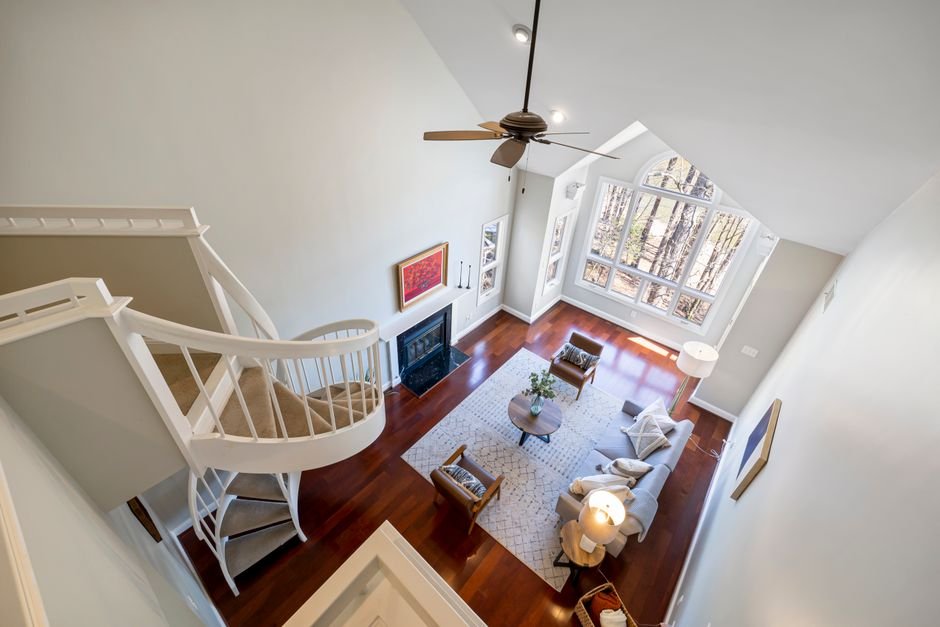
Elevating Your Comfort: Choosing the Right High-Speed Ceiling Fan for Your Home
In the relentless pursuit of optimal home comfort, the humble ceiling fan has evolved from a mere air circulator to a sophisticated climate control solution. Among its most sought-after attributes is high-speed functionality, offering rapid and powerful airflow to combat sweltering heat or create a refreshing breeze. However, navigating the vast landscape of high-speed ceiling fans can be daunting. This comprehensive guide will equip you with the knowledge to make an informed decision, ensuring you select a fan that perfectly balances performance, aesthetics, and your unique needs.
Understanding High-Speed Ceiling Fans: Beyond Basic Airflow
High-speed ceiling fans distinguish themselves through their motor power and blade design, enabling them to move a significantly larger volume of air (measured in Cubic Feet per Minute or CFM) at higher rotational speeds. This translates to a more pronounced cooling effect, making them ideal for larger rooms, areas with poor natural ventilation, or for those who prefer a more invigorating breeze. Modern high-speed fans often incorporate advanced features like multiple speed settings, reversible motors for winter use, and quiet operation technology, offering a versatile and energy-efficient alternative to traditional air conditioning.
Key Factors to Consider When Selecting Your High-Speed Fan:
1. Room Size and Ceiling Height: The Foundation of Performance
The most critical determinant of fan effectiveness is its suitability for your room’s dimensions. A fan that’s too small for a large space will struggle to circulate air adequately, rendering its high-speed capabilities moot. Conversely, an oversized fan in a small room can create an uncomfortably turbulent environment.
-
Blade Span: This refers to the diameter of the fan from the tip of one blade to the tip of the opposite blade.
- Small Rooms (up to 75 sq ft): 29-36 inch blade span.
- Medium Rooms (75-150 sq ft): 42-52 inch blade span.
- Large Rooms (150-250 sq ft): 52-60 inch blade span.
- Great Rooms/Open Concept Areas (over 250 sq ft): 60 inches or larger, or consider multiple fans.
-
Ceiling Height: This impacts the optimal downrod length and the overall airflow pattern.
- Standard Ceilings (8-9 ft): Most fans come with a standard downrod, usually 4-6 inches, suitable for this height.
- Low Ceilings (under 8 ft): Opt for a flush-mount or hugger fan to maintain adequate clearance. Ensure at least 7 feet of clearance between the floor and the fan blades for safety.
- High Ceilings (over 9 ft): A longer downrod is essential to bring the fan down to an effective height for air circulation. Aim for the fan to be 8-9 feet from the floor. Longer downrods are typically sold separately.
2. Motor Power and CFM: The Engine of Airflow
The motor is the heart of your high-speed fan. Its power dictates how effectively it can spin the blades and move air.
-
Motor Type:
- AC Motors: Traditional and generally less expensive. They offer good performance but can be slightly noisier and less energy-efficient than DC motors.
- DC Motors: Modern, highly energy-efficient, quieter, and offer a wider range of speed settings, often including a “natural breeze” mode. They are typically more expensive upfront but offer long-term savings.
-
Cubic Feet per Minute (CFM): This is the most crucial metric for assessing a fan’s airflow performance. Higher CFM indicates greater air movement. For high-speed fans, look for CFM ratings well above 5000, with many premium models exceeding 7000 or even 8000 CFM. Always compare CFM ratings between fans of similar blade spans and motor types for a true performance comparison.
3. Blade Design and Material: The Aerodynamics of Airflow
The shape, pitch, and material of the fan blades significantly influence its efficiency and noise level.
-
Blade Pitch: This is the angle at which the blades are set relative to the motor. A steeper blade pitch (typically 12-15 degrees) allows the fan to move more air at lower speeds, contributing to both high-speed performance and quieter operation.
-
Blade Material:
- Wood/MDF: Often chosen for aesthetic appeal, these blades can be heavier and may be more susceptible to warping in humid environments.
- Metal (Aluminum, Steel): Durable and can be designed for optimal aerodynamics. Can sometimes be noisier if not well-balanced.
- ABS Plastic: Lightweight, durable, and resistant to moisture. Often used in outdoor or high-humidity applications.
- Composite Materials: Offer a good balance of durability, weight, and aesthetic options.
-
Number of Blades: While tradition dictates 5 blades, the number of blades has less impact on airflow than blade design and motor power. However, more blades can sometimes contribute to a smoother, quieter operation.
4. Speed Settings and Control Options: Tailoring Your Comfort
High-speed fans are expected to offer a range of control.
- Multiple Speed Settings: Look for at least 3-4 speed settings, with a distinct high-speed option that delivers powerful airflow. DC motor fans often offer 5-6 speeds, providing finer control.
- Reversible Motor (Winter Mode): Essential for year-round comfort. In winter, the fan can be reversed to gently push warm air from the ceiling back down into the room, reducing heating costs.
- Remote Control vs. Wall Control:
- Remote Control: Offers convenience and allows for easy adjustment from anywhere in the room. Many high-speed fans come with advanced remotes that control speed, light, and direction.
- Wall Control: A more permanent and reliable option, especially for children or those prone to misplacing remotes. Some wall controls offer advanced features like dimming and fan speed indicators.
5. Noise Level: A Crucial Consideration for Serenity
High-speed fans, by their nature, can generate more noise. However, quality engineering can minimize this.
- Decibel (dB) Rating: While not always readily available, look for reviews that mention noise levels. A well-balanced fan with a powerful yet quiet motor will operate at a comfortable hum, even on its highest setting.
- Motor Quality and Blade Balance: These are the primary factors influencing noise. Look for fans from reputable brands known for their engineering and quality control.
6. Lighting Options: Integrated Functionality
Many high-speed ceiling fans come with integrated LED lights, adding a layer of functionality.
- Brightness and Color Temperature: Consider the lumen output for brightness and the Kelvin rating for color temperature (warm white, cool white, daylight).
- Dimmable Lights: Offers flexibility in setting the mood and reducing energy consumption.
- Energy Efficiency: LED lights are highly energy-efficient and have a long lifespan.
7. Style and Aesthetics: Complementing Your Décor
Beyond performance, your ceiling fan should seamlessly integrate with your home’s interior design.
- Finish: Available in a wide array of finishes, including brushed nickel, oil-rubbed bronze, matte black, white, and wood tones. Choose a finish that complements your existing hardware and color scheme.
- Blade Design: From modern, minimalist blades to more traditional, ornate designs, there’s a style to suit every taste.
- Overall Fan Design: Consider the fan’s profile, the canopy design, and any decorative elements.
8. Energy Efficiency: Saving Money and the Planet
High-speed fans can be energy-intensive, so prioritizing efficiency is paramount.
- ENERGY STAR Certification: Look for the ENERGY STAR label, indicating that the fan meets strict energy efficiency guidelines set by the U.S. Environmental Protection Agency.
- DC Motors: As mentioned, DC motors are significantly more energy-efficient than AC motors.
- CFM per Watt: This metric, though less common, provides a more precise measure of a fan’s energy efficiency by comparing its airflow output to its energy consumption.
9. Installation and Maintenance: Ensuring Longevity
- Professional Installation: For most high-speed ceiling fans, professional installation is recommended to ensure proper wiring, secure mounting, and optimal performance.
- Regular Cleaning: Dust accumulation on blades can unbalance the fan and reduce its efficiency. Clean blades regularly with a soft cloth or duster.
- Blade Balancing Kits: If you notice wobbling or excessive noise, a blade balancing kit (often included or available separately) can help rectify the issue.
10. Brand Reputation and Warranty: Investing in Quality
Choosing a reputable brand is crucial for both performance and peace of mind.
- Research Brands: Look for established brands known for their quality, durability, and customer service.
- Warranty: A good warranty (typically 5-10 years on the motor, 1-2 years on other components) is a strong indicator of the manufacturer’s confidence in their product.
Making the Final Decision:
By meticulously considering these factors, you can confidently select a high-speed ceiling fan that