
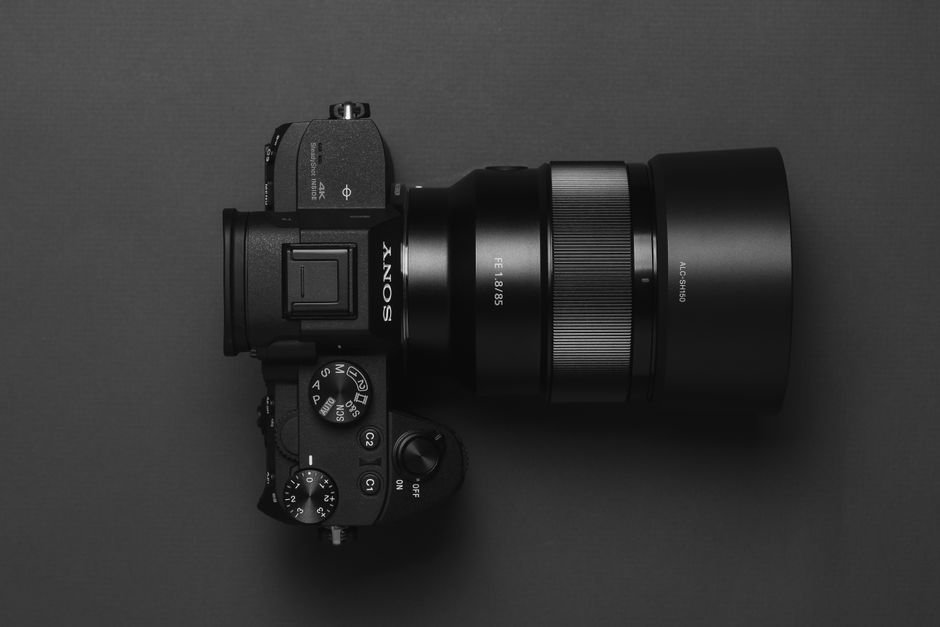
Used DSLR Camera Prices: Smart Savings Today
The allure of a brand-new DSLR camera, with its pristine sensor and the latest features, is undeniable. However, for many aspiring photographers, the price tag of a flagship model can be a significant barrier. This is where the world of pre-owned DSLR cameras shines, offering a compelling avenue for smart savings without compromising on photographic quality. Understanding used DSLR camera prices is key to unlocking incredible value and equipping yourself with professional-grade tools at a fraction of their original cost.
The market for used DSLRs is robust and diverse, catering to a wide spectrum of budgets and photographic needs. From entry-level models perfect for beginners to professional workhorses that have seen years of dedicated service, there’s a used camera waiting to be discovered. The primary driver behind the affordability of used DSLRs is depreciation. Much like cars, cameras lose value the moment they are purchased. However, unlike a car, a camera’s core functionality and image-making capabilities can remain excellent for many years with proper care.
Factors Influencing Used DSLR Camera Prices:
Several key factors dictate the price of a used DSLR. Understanding these will empower you to make informed decisions and negotiate effectively.
- Age and Model Release Date: Newer models, even if a generation or two old, will command higher prices than older, discontinued models. The rapid pace of technological advancement means that features once considered cutting-edge become standard in subsequent releases.
- Sensor Size and Resolution: Full-frame DSLRs, with their larger sensors offering superior low-light performance and shallower depth of field, are generally more expensive than APS-C (crop sensor) models. Higher megapixel counts, while not always indicative of superior image quality, can also influence price.
- Condition and Shutter Count: This is arguably the most critical factor. A camera in pristine cosmetic condition, with minimal signs of wear and tear, will fetch a higher price. Crucially, the shutter count – the number of times the camera’s shutter has actuated – is a strong indicator of its remaining lifespan. Most DSLRs are rated for hundreds of thousands of actuations, so a low shutter count signifies a camera that has been used sparingly. Reputable sellers will often disclose this information.
- Included Accessories and Lenses: A camera body sold as a kit with a lens, or bundled with essential accessories like extra batteries, memory cards, or a camera bag, will naturally be priced higher than a body-only sale. The value of these extras should be factored into your overall assessment.
- Brand Reputation and Popularity: Established brands like Canon and Nikon often maintain strong resale values due to their widespread adoption, extensive lens ecosystems, and perceived reliability.
- Market Demand: Popular models that are sought after by enthusiasts and professionals will retain their value better than niche or less popular cameras.
Navigating the Used DSLR Market: Where to Buy:
The landscape of buying used DSLRs is diverse, offering various platforms with their own advantages and disadvantages.
- Online Retailers Specializing in Used Gear: Websites like KEH Camera, MPB, and Adorama’s used department are excellent resources. These companies meticulously inspect, grade, and often offer warranties on their pre-owned equipment. They provide detailed descriptions of condition and often include sample images taken with the camera. This offers a higher degree of confidence for buyers.
- Major Online Marketplaces: Platforms like eBay and Amazon (for third-party sellers) offer a vast selection of used DSLRs. While prices can be competitive, it’s crucial to exercise caution. Thoroughly vet sellers, examine product photos carefully, and read customer reviews. Look for sellers with high feedback scores and detailed return policies.
- Photography Forums and Social Media Groups: Dedicated photography forums and Facebook groups often have classified sections where members buy and sell gear. This can be a great way to find deals directly from other photographers. However, these transactions often lack the buyer protection offered by dedicated retailers. Exercise due diligence and consider meeting in person if possible.
- Local Camera Stores: Many independent camera shops have a used equipment section. This allows you to physically inspect the camera before purchasing, ask questions, and potentially get hands-on experience. The selection might be more limited, but the personal touch can be invaluable.
Maximizing Your Savings: Tips for Smart Shopping:
Acquiring a used DSLR is an opportunity to be savvy. Here’s how to ensure you get the best possible deal:
- Set a Realistic Budget: Determine how much you’re willing to spend and stick to it. Factor in potential costs for lenses, memory cards, and other accessories.
- Research Specific Models: Before you start browsing, identify the DSLR models that best suit your needs and skill level. Read reviews, watch comparison videos, and understand their strengths and weaknesses. This will prevent impulse purchases.
- Understand Grading Systems: Reputable used gear retailers use grading systems (e.g., Excellent, Very Good, Good, As-Is) to describe the cosmetic condition of a camera. Familiarize yourself with these grades to accurately assess the physical state of the camera.
- Prioritize Shutter Count: As mentioned, shutter count is a vital metric. Aim for a low shutter count relative to the camera’s expected lifespan. Don’t be afraid to ask sellers for this information.
- Inspect Thoroughly (If Possible): If buying in person, carefully examine the camera body for scratches, dents, or any signs of impact. Check the lens mount for wear. Look through the viewfinder to ensure it’s clear and free of dust. Test all buttons, dials, and the LCD screen.
- Test the Sensor: If purchasing online and the seller provides sample images, examine them for dead pixels or sensor dust. If you can test the camera yourself, shoot at various apertures and ISOs to check for anomalies.
- Negotiate Wisely: On platforms like eBay or in local stores, there’s often room for negotiation, especially if you identify minor cosmetic flaws or if the camera has been on the market for a while.
- Consider Older, Proven Models: Don’t discount slightly older, but still highly capable, DSLR models. Cameras that were once professional-grade can still produce stunning images and offer excellent performance at a significantly reduced price. For example, a well-maintained Canon EOS 5D Mark III or Nikon D750 can still be a phenomenal photographic tool.
- Factor in Lens Costs: Remember that a camera body is only part of the equation. If you’re buying a body-only, budget for lenses. Often, buying a used camera with a decent kit lens can be more cost-effective than buying a body and a separate lens.
- Check Return Policies and Warranties: Especially when buying from online retailers, understand their return policies and any warranties they offer. This provides a safety net in case of unforeseen issues.
Popular Used DSLR Camera Categories and Price Ranges (Approximate):
- Entry-Level DSLRs (APS-C Sensor): Ideal for beginners and hobbyists. Models like the Canon EOS Rebel series (e.g., T7i, T8i) or Nikon D3000/D5000 series. Prices can range from $200 to $500, depending on condition, age, and included kit lens.
- Mid-Range DSLRs (APS-C Sensor): Offering more advanced features, better build quality, and improved performance. Think Canon EOS 70D/80D or Nikon D7000/D7100/D7200 series. Expect to pay between $400 to $800.
- Enthusiast/Prosumer DSLRs (APS-C Sensor): High-performance cameras with robust build and advanced controls. Examples include the Canon EOS 7D Mark II or Nikon D500. Prices can range from $600 to $1200.
- Entry-Level Full-Frame DSLRs: For those looking to step into full-frame photography without breaking the bank. Models like the Canon EOS 6D series or Nikon D600/D610. These can be found from $700 to $1500.
- Professional Full-Frame DSLRs: Workhorses that have seen significant use but are built to last. Older generations of flagship models like the Canon EOS 5D Mark III/IV or Nikon D750/D800/D810. Prices vary widely, from $800 to $2000+, heavily dependent on shutter count and condition.
The Future of Used DSLRs:
While mirrorless cameras are rapidly gaining market share, DSLRs remain incredibly capable tools. Their robust build, excellent battery life, and vast selection of affordable lenses ensure their continued relevance. The used DSLR market will likely remain strong for the foreseeable future, offering an accessible entry point into high-quality photography for a new generation of image-makers. By understanding the market, researching thoroughly, and shopping wisely, you can secure exceptional photographic equipment and unlock significant savings today.