
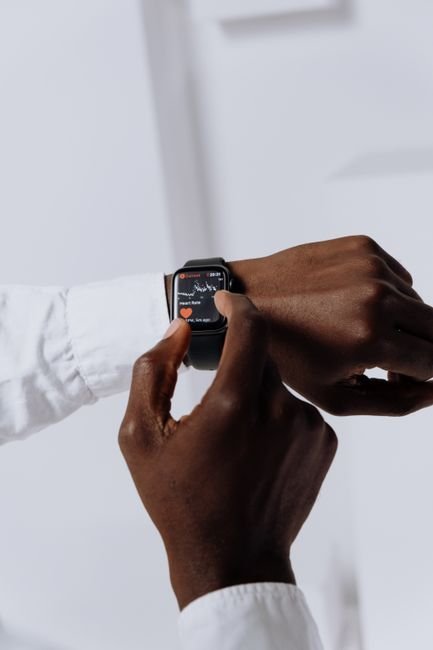
Beyond Fitness: AI Smartwatches and Comprehensive Health Monitoring
The humble wristwatch has evolved dramatically. Today’s AI-powered smartwatches transcend mere timekeeping and basic step counting, morphing into sophisticated personal health hubs. These wearable marvels are no longer just for the fitness enthusiast; they are becoming indispensable tools for comprehensive health monitoring, offering insights that were once the exclusive domain of medical professionals. The integration of artificial intelligence is the driving force behind this transformation, enabling smartwatches to process vast amounts of physiological data and deliver actionable intelligence.
At the core of this revolution lies the smartwatch’s array of sensors. Optical heart rate sensors, while common, have become significantly more accurate and capable. They now track not only beats per minute but also heart rate variability (HRV). HRV, the variation in time between heartbeats, is a crucial indicator of the autonomic nervous system’s balance, reflecting stress levels, recovery status, and even cardiovascular health. AI algorithms analyze these subtle fluctuations, identifying patterns that might signal early signs of illness or overtraining. Beyond heart rate, advanced smartwatches incorporate electrocardiogram (ECG) sensors. These can detect irregular heart rhythms, such as atrial fibrillation (AFib), a condition that significantly increases the risk of stroke. By performing on-demand ECG readings, users can proactively alert their healthcare providers to potential cardiac anomalies, enabling timely intervention.
The journey into comprehensive health monitoring extends to sleep. Sleep is fundamental to overall well-being, yet often poorly understood. AI smartwatches meticulously track sleep stages – light, deep, and REM – along with awake times and sleep duration. Sophisticated algorithms analyze this data, identifying sleep disturbances, estimating sleep quality, and even detecting potential signs of sleep apnea. By correlating sleep patterns with daytime activity and heart rate, these devices can offer personalized recommendations for improving sleep hygiene, leading to better energy levels and cognitive function.
Blood oxygen saturation (SpO2) monitoring is another powerful feature. This non-invasive measurement, typically performed during sleep or at rest, indicates how well oxygen is being transported to the extremities. Low SpO2 levels can be indicative of respiratory issues, lung disease, or even altitude sickness. AI can analyze trends in SpO2, alerting users to significant drops or persistent low readings that warrant medical attention. This feature is particularly valuable for individuals with pre-existing respiratory conditions or those engaging in activities at high altitudes.
The concept of “stress” is increasingly being quantified. Beyond HRV, AI smartwatches can analyze a combination of physiological signals, including heart rate, sleep quality, and activity levels, to provide a holistic stress score. This empowers users to understand their daily stressors, identify triggers, and implement coping mechanisms. Some devices even offer guided breathing exercises and mindfulness sessions directly through the watch, providing immediate relief and promoting long-term stress management.
Furthermore, the integration of AI is paving the way for more predictive health insights. By learning an individual’s baseline physiological data over time, AI algorithms can detect deviations that might signify the onset of illness before overt symptoms manifest. For instance, a subtle but persistent increase in resting heart rate, combined with changes in sleep patterns, could be an early indicator of an impending infection. Similarly, changes in movement patterns or gait analysis, enabled by advanced accelerometers and gyroscopes, could potentially identify early signs of neurological conditions.
The data generated by these smartwatches is not just for personal consumption. Many platforms allow users to securely share their health data with healthcare providers. This provides physicians with a richer, more continuous picture of a patient’s health outside of the clinical setting. This real-time data can inform diagnoses, monitor treatment effectiveness, and enable more personalized healthcare plans. Imagine a scenario where a doctor can review weeks or months of a patient’s heart rate variability and sleep data to better understand their recovery from a viral illness or to fine-tune medication for chronic conditions.
The accuracy and reliability of these devices are constantly improving. Manufacturers are investing heavily in research and development, partnering with medical institutions to validate their findings and refine their algorithms. Regulatory bodies are also stepping in, with some smartwatches now receiving clearance for medical-grade features like AFib detection. This growing validation lends further credibility to the role of AI smartwatches in proactive health management.
However, it’s crucial to remember that these devices are not replacements for professional medical advice. They are powerful tools for data collection and early detection, but a diagnosis should always be made by a qualified healthcare professional. Users must also be mindful of data privacy and security, understanding how their personal health information is collected, stored, and used.
The future of AI smartwatches in health monitoring is incredibly promising. We can anticipate even more advanced sensors capable of detecting a wider range of biomarkers, such as blood glucose levels or hydration status. AI will become even more sophisticated, offering hyper-personalized health insights and predictive capabilities. The ability to monitor not just physical health but also mental well-being through physiological indicators will become more pronounced. As these technologies mature and become more accessible, AI smartwatches are poised to revolutionize how we understand and manage our health, shifting the paradigm from reactive care to proactive, personalized wellness. The journey beyond fitness has truly begun, ushering in an era of unprecedented insight into our own bodies, powered by the intelligence of machines.