
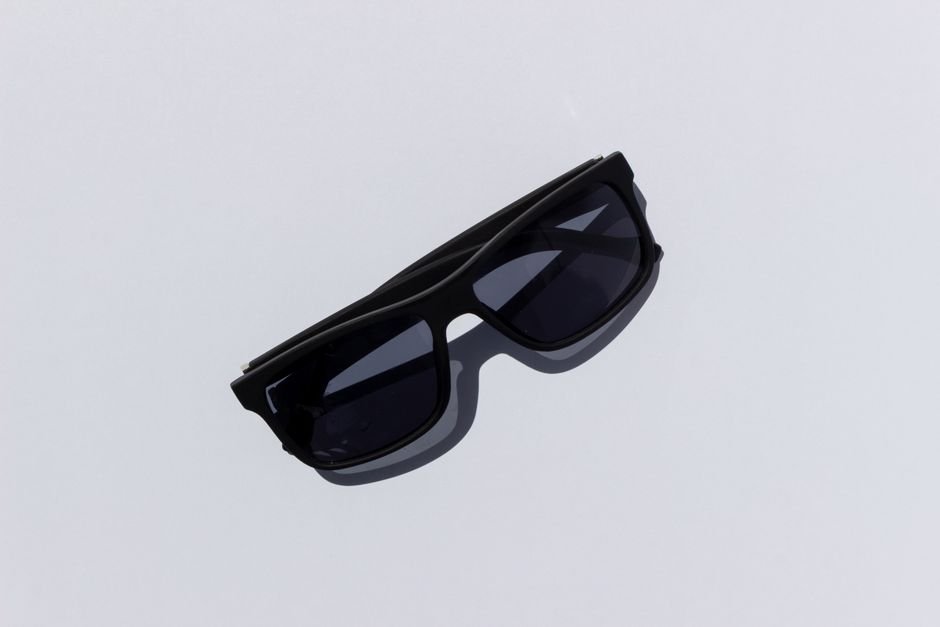
UV Protection Sunglasses: Your Ultimate Guide to Eye Health and Style
The sun, a life-giving force, also emits ultraviolet (UV) radiation, a silent threat to our precious eyesight. While we readily slather on sunscreen to protect our skin, the importance of shielding our eyes is often overlooked. This comprehensive guide delves into the world of UV protection sunglasses, empowering you to make informed choices for optimal eye health and enduring style.
Understanding the Invisible Threat: UV Radiation and Your Eyes
UV radiation, invisible to the human eye, is categorized into three main types: UVA, UVB, and UVC. While the Earth’s ozone layer effectively blocks UVC rays, UVA and UVB penetrate the atmosphere and can reach our eyes, causing cumulative and often irreversible damage.
-
UVA Rays: These longer wavelength rays penetrate deeper into the eye, reaching the lens and retina. Prolonged exposure to UVA rays is linked to the development of cataracts, age-related macular degeneration (AMD), and pterygium (a fleshy growth on the cornea). They also contribute to premature aging of the delicate skin around the eyes, leading to wrinkles and crow’s feet.
-
UVB Rays: These shorter wavelength rays are primarily absorbed by the cornea and lens. While less penetrating than UVA, UVB rays are more intense and are the primary cause of sunburn on the skin. In the eyes, they can lead to photokeratitis, a painful condition often referred to as “snow blindness” or “welder’s flash,” characterized by temporary vision loss, redness, and irritation. Chronic UVB exposure also increases the risk of cataracts and certain eye cancers.
The Crucial Role of UV Protection in Sunglasses
Not all sunglasses are created equal. The tint or color of the lenses is purely aesthetic; it does not determine the level of UV protection. The key lies in the lens material and any specific coatings applied. Sunglasses that offer true UV protection are designed to block at least 99% of UVA and UVB rays. This protection is typically indicated by labels such as:
- “100% UV Protection”
- “UV 400” (meaning the lenses block wavelengths up to 400 nanometers, effectively encompassing all harmful UVA and UVB rays).
Investing in sunglasses with certified UV protection is not a luxury; it’s a necessity for safeguarding your vision throughout your life.
Decoding Lens Technologies and Materials
The material and coatings of sunglass lenses play a pivotal role in their UV protection capabilities and overall performance.
-
Polycarbonate Lenses: A popular choice for their impact resistance and inherent UV blocking properties. Polycarbonate naturally blocks most UV radiation without the need for special coatings. They are lightweight and ideal for active lifestyles and children’s eyewear.
-
CR-39 (Columbia Resin #39) Lenses: These plastic lenses offer good optical clarity and scratch resistance. While they don’t inherently block UV rays as effectively as polycarbonate, they can be treated with UV-blocking coatings.
-
Glass Lenses: Traditionally known for their superior optical clarity and scratch resistance, glass lenses can also be manufactured with UV-blocking properties or treated with coatings. However, they are heavier and more prone to breakage.
-
Photochromic Lenses: These lenses automatically darken in bright sunlight and become clear indoors or in low light conditions. They offer convenient, all-day protection from UV rays, adapting to changing light environments.
-
Polarized Lenses: While polarization primarily reduces glare by filtering out horizontal light waves, it does not inherently provide UV protection. However, most polarized lenses are also manufactured with UV-blocking capabilities. They are excellent for reducing eye strain, especially in environments with significant glare, such as water, snow, and roads.
The Significance of Lens Color and Tint
While lens color doesn’t dictate UV protection, it influences how you perceive colors and can affect visual comfort in different lighting conditions.
-
Gray: The most neutral tint, gray lenses reduce brightness without distorting color perception. They are versatile and suitable for most activities and lighting conditions.
-
Brown/Amber: These tints enhance contrast and depth perception, making them ideal for driving, cycling, and outdoor sports where judging distances is crucial. They can also be beneficial for individuals with light sensitivity.
-
Green: Similar to gray, green lenses offer good color neutrality and contrast enhancement. They are comfortable for extended wear and suitable for various outdoor activities.
-
Yellow/Orange: These brighter tints are excellent for low-light conditions, such as overcast days or twilight. They enhance contrast and can improve visibility for activities like skiing or hunting in foggy conditions. However, they can distort color perception in bright sunlight.
-
Rose/Red: These tints can improve visual acuity and reduce eye strain in bright conditions. They are often favored by skiers and cyclists.
Beyond 100% UV Protection: Additional Features to Consider
When selecting your ultimate UV protection sunglasses, consider these additional features that enhance performance and comfort:
-
Frame Fit and Coverage: The most effective UV protection comes from sunglasses that fit snugly and cover a significant portion of your eyes and the surrounding area. Wraparound styles offer superior peripheral protection by blocking light from entering from the sides, top, and bottom. Ensure the frame sits comfortably on your nose and temples without being too tight or too loose.
-
Lens Coatings:
- Anti-Reflective (AR) Coating: Reduces glare from the back surface of the lenses, improving visual clarity and reducing eye strain.
- Scratch-Resistant Coating: Enhances the durability of the lenses, making them less susceptible to minor abrasions.
- Hydrophobic/Oleophobic Coating: Repels water, oil, and smudges, making the lenses easier to clean and maintain.
-
Prescription Sunglasses: Don’t let a vision prescription prevent you from enjoying UV protection. Many sunglass brands and optical labs offer prescription lenses with integrated UV blocking capabilities.
Who Needs UV Protection Sunglasses? Everyone!
While certain individuals are at higher risk, the benefits of UV protection sunglasses extend to everyone:
-
Children: Their eyes are more sensitive to UV radiation due to larger pupils and clearer lenses. Children’s eyes are still developing, and early exposure to UV damage can have long-term consequences.
-
Individuals with Light-Colored Eyes: People with blue, green, or gray eyes are more susceptible to UV damage and light sensitivity.
-
Outdoor Enthusiasts: Hikers, skiers, cyclists, swimmers, and anyone who spends considerable time outdoors are exposed to higher levels of UV radiation.
-
Individuals with a History of Eye Conditions: Those with a history of cataracts, AMD, or other eye diseases should be particularly diligent about UV protection.
-
People Taking Photosensitizing Medications: Certain medications can increase your eyes’ sensitivity to UV light.
Maintaining Your UV Protection Sunglasses
To ensure your sunglasses continue to provide optimal protection and longevity, proper care is essential:
-
Cleaning: Always use a soft, microfiber cleaning cloth to wipe your lenses. Avoid using paper towels, tissues, or your shirt, as these can scratch the lenses. For stubborn smudges, use a mild lens cleaning solution.
-
Storage: When not in use, store your sunglasses in a protective case to prevent scratches and damage.
-
Avoid Harsh Chemicals: Never expose your sunglasses to harsh chemicals, solvents, or cleaning agents, as they can damage lens coatings.
-
Regular Inspection: Periodically check your sunglasses for any signs of damage, such as loose screws or cracked frames.
The Long-Term Benefits of Prioritizing UV Protection
Choosing sunglasses with robust UV protection is an investment in your long-term eye health. By consistently wearing them, you significantly reduce your risk of developing serious eye conditions, preserving your vision and quality of life for years to come. From preventing cataracts and AMD to mitigating the effects of photokeratitis, the benefits are profound and far-reaching. Beyond health, well-chosen sunglasses also enhance your comfort and style, making them an indispensable accessory for every sunny day. Embrace the power of UV protection and see the world in a healthier, more vibrant light.