
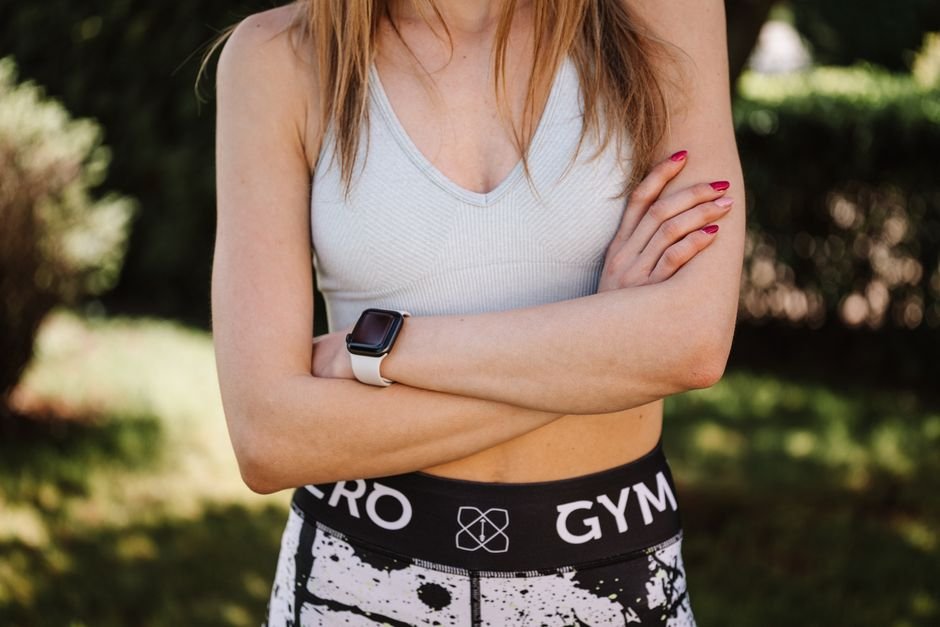
From Workout to Wake Up: Fitness Bands with Sleep Tracking Revolutionize Wellness
In the relentless pursuit of a healthier, more energetic life, the modern wellness landscape has seen a dramatic evolution. Beyond the gym and the track, a crucial, often overlooked, pillar of well-being is emerging: sleep. Fitness bands, once solely focused on counting steps and tracking calories, have undergone a significant transformation, integrating sophisticated sleep tracking capabilities. This fusion of activity monitoring and sleep analysis is creating a holistic approach to health, empowering individuals to understand and optimize their entire 24-hour cycle, from peak workout performance to a refreshing wake-up.
The journey from a sweaty, post-workout high to a restorative night’s sleep is intrinsically linked. Elite athletes and everyday fitness enthusiasts alike are increasingly recognizing that consistent, quality sleep is not merely downtime, but a vital component of muscle recovery, hormonal balance, cognitive function, and overall athletic performance. Fitness bands with advanced sleep tracking are bridging this gap, providing actionable insights that were previously the domain of sleep labs. These devices are no longer just gadgets; they are becoming indispensable partners in a comprehensive wellness strategy.
The Science Behind Sleep Tracking: More Than Just Hours Logged
Early sleep trackers were rudimentary, often simply estimating the duration of sleep based on movement. However, contemporary fitness bands leverage a sophisticated array of sensors to delve deeper into the nuances of our slumber. Accelerometers and gyroscopes, the same technologies that measure steps and activity, are repurposed to detect movement patterns characteristic of different sleep stages. As we sleep, our bodies exhibit distinct physical responses: restlessness during light sleep, relative stillness during deep sleep, and periods of rapid eye movement (REM) during dreaming. By analyzing the frequency, amplitude, and duration of these movements, these bands can infer the time spent in each stage.
Furthermore, many advanced fitness bands incorporate optical heart rate sensors. Heart rate variability (HRV), the subtle fluctuations in the time intervals between heartbeats, is a powerful indicator of the autonomic nervous system’s activity, which plays a crucial role in regulating sleep and recovery. During restful sleep, HRV typically increases, reflecting a dominance of the parasympathetic nervous system, responsible for “rest and digest” functions. Conversely, elevated stress or poor sleep quality can lead to lower HRV. By monitoring heart rate and HRV throughout the night, these bands offer a more nuanced understanding of sleep quality and the body’s ability to recover.
Some high-end models even integrate blood oxygen saturation (SpO2) monitoring. While primarily a feature for athletes and those with respiratory concerns, SpO2 tracking during sleep can identify potential sleep disturbances, such as periods of reduced oxygen levels that might indicate conditions like sleep apnea. This data, when presented alongside sleep stage analysis, provides a more comprehensive picture of sleep health.
Decoding Your Sleep Data: From Raw Numbers to Actionable Insights
The true power of these fitness bands lies not just in the data they collect, but in how they present it. Gone are the days of overwhelming spreadsheets of raw numbers. Modern apps associated with these devices translate complex physiological data into easily digestible metrics and visual representations. Users can typically expect to see:
- Total Sleep Time: The overall duration of sleep, a fundamental metric.
- Time in Bed vs. Time Asleep: Differentiating between periods of wakefulness and actual sleep.
- Sleep Stages: A breakdown of time spent in Light Sleep, Deep Sleep, and REM Sleep. Each stage plays a unique role: Light sleep is crucial for transitioning between stages, Deep sleep is vital for physical restoration and growth hormone release, and REM sleep is critical for cognitive functions, memory consolidation, and emotional processing.
- Sleep Score: A proprietary algorithm that synthesizes various sleep metrics into a single, easy-to-understand score, often on a scale of 0-100, indicating the overall quality of your sleep.
- Restlessness and Wake-ups: Identifying periods of tossing, turning, or prolonged awakenings during the night.
- Heart Rate During Sleep: Monitoring resting heart rate and trends throughout the night.
- Heart Rate Variability (HRV) Trends: Tracking daily and nightly HRV to assess recovery and stress levels.
This wealth of information allows users to identify patterns and correlations. For example, a user might notice that after a particularly intense workout, their deep sleep duration increases, indicating effective recovery. Conversely, they might observe that late-night caffeine consumption leads to more frequent wake-ups and less REM sleep. This self-awareness is the first step towards making informed lifestyle adjustments.
The Workout-Sleep Synergy: Optimizing Performance and Recovery
The integration of workout and sleep tracking on a single device creates a powerful feedback loop. Understanding how your training impacts your sleep, and vice-versa, is crucial for maximizing gains and preventing overtraining.
- Training Intensity and Sleep Needs: High-intensity workouts or prolonged endurance activities demand more recovery. Fitness bands can help users recognize when their sleep needs are elevated, prompting them to prioritize rest rather than pushing through fatigue, which can be counterproductive.
- Sleep Quality and Workout Performance: A night of poor sleep can significantly impair cognitive function, reaction time, and muscular strength. By monitoring sleep quality, individuals can make informed decisions about their training intensity for the day. On nights with suboptimal sleep, a lighter workout might be more beneficial than a grueling session, reducing the risk of injury and burnout.
- Recovery Metrics and Training Load: Many advanced fitness bands offer recovery metrics, often derived from sleep data and HRV. These metrics can guide training decisions, suggesting when to push harder and when to focus on active recovery. This data-driven approach helps athletes avoid the pitfalls of under- or over-training.
- Sleep Schedule Consistency: The body thrives on routine. Fitness bands can highlight the importance of a consistent sleep schedule by showing how disruptions impact sleep quality. This encourages users to establish regular bedtime and wake-up times, even on weekends, which can significantly improve overall sleep architecture.
Beyond the Athlete: Everyday Wellness and Enhanced Daily Living
While the benefits for athletes are undeniable, fitness bands with sleep tracking offer profound advantages for the general population seeking to improve their overall well-being.
- Stress Management: Poor sleep is often a symptom and a contributor to stress. By tracking sleep patterns and HRV, individuals can gain insights into their stress levels and identify potential triggers. This awareness can empower them to implement stress-reduction techniques, such as mindfulness or meditation, which can, in turn, improve sleep.
- Improved Mood and Cognitive Function: Quality sleep is directly linked to mood regulation and cognitive performance. Users who consistently achieve restorative sleep often report feeling more alert, focused, and emotionally balanced throughout the day.
- Weight Management: Sleep plays a critical role in regulating hormones that control appetite, such as ghrelin and leptin. Chronic sleep deprivation can disrupt these hormones, leading to increased cravings for unhealthy foods and hindering weight loss efforts. By optimizing sleep, individuals can better support their weight management goals.
- Enhanced Immune Function: Sufficient and quality sleep is essential for a robust immune system. Fitness bands can indirectly contribute to better health by promoting sleep habits that support immune function, making individuals less susceptible to illness.
- Personalized Health Insights: The beauty of these devices lies in their ability to provide personalized data. What constitutes “good” sleep can vary from person to person. By tracking their own patterns over time, individuals can identify what works best for them and make adjustments accordingly, fostering a sense of agency over their health.
Choosing the Right Fitness Band: Key Features to Consider
With a burgeoning market, selecting the ideal fitness band can seem daunting. Here are key features to prioritize when looking for a device with robust sleep tracking capabilities:
- Accuracy of Sleep Stage Tracking: While no consumer device can perfectly replicate a polysomnography, look for bands with positive reviews regarding the accuracy of their sleep stage detection.
- Heart Rate and HRV Monitoring: These metrics are crucial for deeper sleep analysis and recovery assessment.
- User-Friendly App Interface: The accompanying app should be intuitive, visually appealing, and provide clear, actionable insights.
- Battery Life: Frequent charging can be disruptive. Consider devices that can last several days on a single charge.
- Comfort and Design: Since the band will be worn 24/7, including during sleep, comfort and a non-intrusive design are paramount.
- Additional Features: Depending on your needs, consider features like guided breathing exercises, smart alarms that wake you during a light sleep phase, or integration with other health apps.
The evolution of fitness bands from simple activity trackers to comprehensive wellness companions, with a strong emphasis on sleep, marks a significant advancement in personal health technology. By bridging the gap between our active lives and our restorative sleep, these devices empower us to achieve a more balanced, energetic, and ultimately, healthier existence. The journey from workout to wake up is no longer a disjointed experience but a seamlessly integrated cycle of performance, recovery, and rejuvenation, all guided by the intelligent insights of our wrist-worn wellness partners.