
The Evolution of Trimmer Technology: What’s New?
For centuries, personal grooming has been a fundamental aspect of human hygiene and self-expression. From rudimentary sharpening stones to the sophisticated devices of today, the tools we use to manage unwanted hair have undergone a remarkable transformation. Trimmer technology, in particular, has witnessed an accelerated evolution in recent decades, driven by demands for precision, comfort, convenience, and versatility. What was once a simple blade is now a complex piece of engineering, offering a tailored grooming experience for every individual.
The genesis of modern trimmer technology can be traced back to the development of electric clippers for barbers. Early models were bulky, noisy, and often prone to snagging. However, they laid the groundwork for miniaturization and improved motor efficiency. The advent of cordless battery technology was a pivotal moment, liberating users from the constraints of power cords and significantly enhancing portability. This innovation opened the door for personal trimmers to become household staples, moving beyond professional salons.
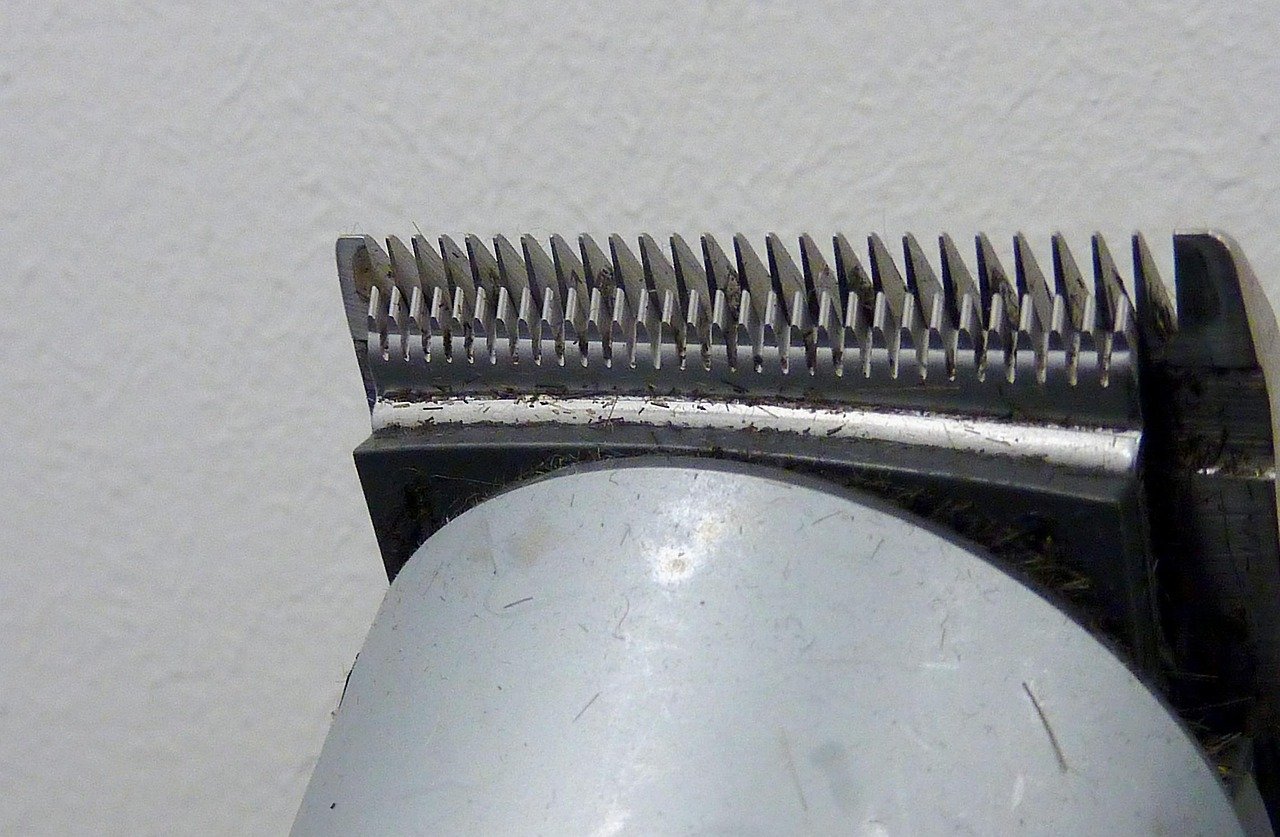
Early personal trimmers often relied on basic oscillating blades, which, while effective, could lack the finesse required for intricate detailing. The quest for greater precision led to the development of finer-tooth blades and more advanced cutting mechanisms. Today, we see a spectrum of blade types, each engineered for specific purposes. Titanium-coated blades have become commonplace, offering superior durability and sharpness, reducing friction and heat build-up for a smoother cut. Ceramic blades, known for their hypoallergenic properties and ability to stay cooler, are also gaining traction, particularly for individuals with sensitive skin.
The motor is the heart of any trimmer, and its evolution has been crucial to performance. Early electric trimmers utilized basic DC motors, which were often underpowered and generated significant heat. The integration of AC motors offered more power but still tethered users to an outlet. The real breakthrough came with the widespread adoption of high-torque DC motors and, more recently, brushless motors. Brushless motors are significantly more efficient, quieter, and generate less heat, allowing for longer runtimes and a more consistent cutting performance, even through thicker hair. This translates to a more comfortable and less frustrating grooming experience.
Ergonomics and design have also played a significant role in trimmer evolution. Gone are the days of bulky, unwieldy devices. Modern trimmers are designed with user comfort and control in mind. Sleek, contoured bodies, non-slip grips, and balanced weight distribution ensure that even extended grooming sessions are comfortable. Many trimmers now feature intuitive button placement and digital displays that provide information on battery life, speed settings, and maintenance reminders. This attention to detail contributes to a more enjoyable and less fatiguing user experience.
Water resistance has become another key feature, driven by the desire for convenient cleaning and the growing popularity of wet grooming. IPX7 waterproof ratings are now standard on many high-end trimmers, allowing for easy rinsing under running water. This not only simplifies cleaning but also enables users to trim in the shower, saving time and reducing mess. The ability to use trimmers with shaving foam or gel further enhances comfort and provides a closer shave for those who prefer it.
The concept of versatility has dramatically reshaped trimmer design. Instead of purchasing multiple specialized tools, consumers now expect a single device to handle a variety of grooming needs. This has led to the proliferation of multi-groom kits and interchangeable head systems. These kits typically include a base trimmer unit accompanied by an array of attachments, such as:
- Detail trimmers: For precise shaping of beards, mustaches, and sideburns.
- Nose and ear hair trimmers: Designed with safety guards to prevent nicks and cuts.
- Body groomers: Often featuring wider blades and guards to efficiently trim body hair.
- Foil shavers: For achieving a clean, smooth shave.
- Comb attachments: With adjustable lengths, allowing for consistent stubble or longer beard styles.
This modular approach allows users to customize their trimmer to their specific needs, making it a cost-effective and space-saving solution. The precision of these attachments has also improved significantly, with finer adjustments and more effective cutting patterns.
The integration of smart technology is the latest frontier in trimmer evolution. While still in its nascent stages for personal grooming devices, we are beginning to see features that leverage connectivity and intelligent design. Some high-end trimmers now offer app connectivity, providing personalized grooming recommendations, tracking usage patterns, and offering maintenance alerts. Future developments could include AI-powered sensors that detect hair density and adjust cutting speed accordingly, or even self-sharpening blades that maintain optimal performance without manual intervention.
Battery technology continues to be a focal point for innovation. Lithium-ion batteries have become the industry standard, offering faster charging times, longer runtimes, and a more consistent power output compared to older NiMH batteries. Fast-charge capabilities, where a few minutes of charging provide enough power for a single grooming session, are increasingly common and a welcome convenience for busy individuals. Inductive charging, similar to that found in smartphones, is also emerging, further streamlining the charging process and eliminating the need for physical ports.
The user interface has also seen a significant upgrade. Gone are the days of single-speed, basic controls. Many modern trimmers offer multiple speed settings, allowing users to adjust the cutting intensity based on hair type and desired outcome. Digital displays, as mentioned earlier, provide clear visual feedback, enhancing usability. Some advanced models even incorporate touch-sensitive controls for a more modern and intuitive experience.
Maintenance is another area where trimmer technology is making strides. Self-sharpening blades, while not entirely new, are becoming more sophisticated, ensuring blades remain sharp for longer periods. Some trimmers come with cleaning brushes and lubrication oil to aid in regular upkeep. The ease of disassembly for thorough cleaning, particularly for waterproof models, is also a design consideration that enhances longevity and hygiene.
The environmental impact of personal care products is also a growing concern. While not as prominent as in other industries, there is a nascent trend towards more sustainable materials and energy-efficient designs in trimmer manufacturing. Longer product lifespans, achieved through durable construction and readily available replacement parts, also contribute to reduced waste.
In summary, the evolution of trimmer technology has been a dynamic journey, transforming a basic grooming tool into a sophisticated, personalized, and convenient device. From the initial electric clippers to the smart, multi-functional groomers of today, innovation has consistently focused on enhancing precision, comfort, and versatility. The ongoing advancements in motor technology, blade materials, battery life, and user interface design promise an even more refined and efficient grooming experience in the years to come, with smart technology poised to redefine how we approach personal care.