
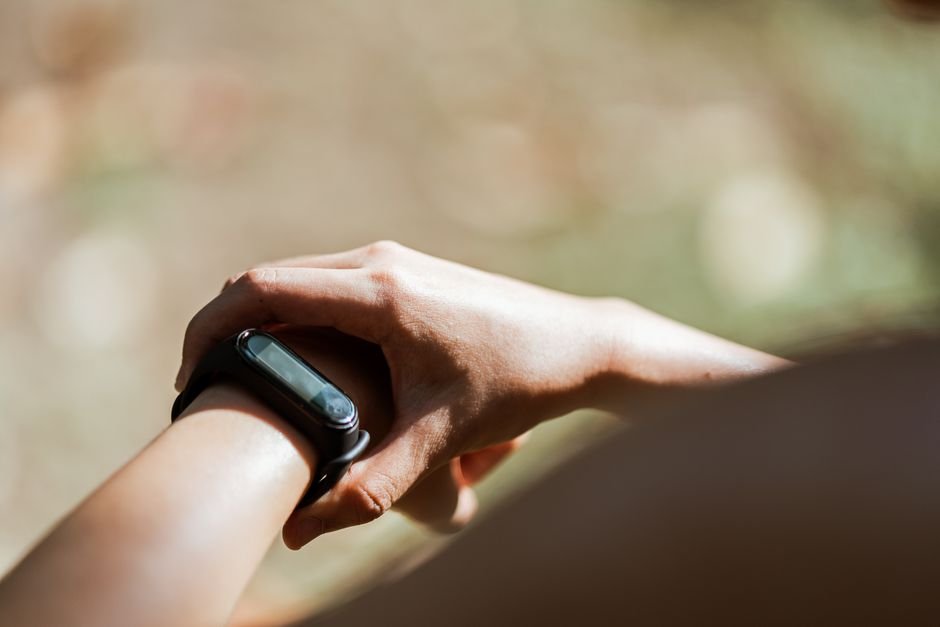
Smart Band vs. Smartwatch: Which Wearable is Right for You?
The wearable technology market is booming, offering a dazzling array of devices designed to enhance our lives, from tracking fitness goals to managing notifications. At the forefront of this revolution are smart bands and smartwatches, two distinct categories of wearable tech that often leave consumers pondering the crucial question: which is the right fit for their individual needs? While both reside on your wrist, their functionalities, design philosophies, and price points create a significant divergence, catering to different priorities and lifestyles. Understanding these differences is paramount to making an informed decision that maximizes your investment and truly enhances your daily experience.
The Humble Yet Mighty Smart Band: Simplicity and Focus
Smart bands, often characterized by their sleek, minimalist design, are primarily engineered for health and fitness tracking. Their core competency lies in accurately monitoring key physiological metrics, making them ideal companions for fitness enthusiasts, individuals focused on proactive health management, or those seeking a less intrusive technological presence on their wrist.
Key Features and Strengths of Smart Bands:
- Advanced Fitness Tracking: This is the undisputed champion of smart bands. Expect comprehensive step counting, distance covered, calorie expenditure estimation, and detailed sleep stage analysis (light, deep, REM). Many also offer automatic workout detection for common activities like running, walking, and cycling, seamlessly logging your efforts without manual input. Heart rate monitoring is a standard feature, with some models offering continuous tracking for a more nuanced understanding of your cardiovascular health. Blood oxygen saturation (SpO2) monitoring is increasingly common, providing insights into respiratory function and overall wellness.
- Durability and Water Resistance: Designed for active lifestyles, smart bands typically boast robust build quality and excellent water resistance. This makes them suitable for swimming, showering, and enduring sweaty workouts without concern.
- Extended Battery Life: Due to their streamlined functionality and smaller, less power-hungry displays, smart bands generally offer significantly longer battery life than their smartwatch counterparts. Many can last for a week or even two on a single charge, minimizing the hassle of frequent recharging.
- Affordability: As a general rule, smart bands are considerably more budget-friendly than smartwatches. This makes them an accessible entry point into the world of wearables for a wider audience.
- Discreet and Lightweight Design: Their slim profile and lightweight construction ensure comfort for all-day wear, even during sleep. They blend seamlessly into daily attire, offering a subtle technological enhancement rather than a prominent statement piece.
- Basic Notification Alerts: While not their primary focus, most smart bands can receive basic notifications from your smartphone, such as incoming calls, text messages, and app alerts. These are typically displayed as simple text on the small screen, allowing for quick glances without needing to pull out your phone.
Who is a Smart Band Best Suited For?
- The Dedicated Athlete: For runners, cyclists, swimmers, and gym-goers who prioritize detailed performance metrics and recovery data.
- The Health-Conscious Individual: Those who want to monitor their sleep patterns, heart rate, and blood oxygen levels to gain a better understanding of their overall well-being.
- The Minimalist Tech User: Individuals who prefer a device that serves a specific purpose without the distractions of a full-fledged operating system.
- The Budget-Conscious Buyer: Those seeking effective fitness tracking and basic smart features without breaking the bank.
- The Traveler or Busy Professional: The extended battery life is a significant advantage for those who are often on the go and may not have consistent access to charging.
The Versatile Smartwatch: A Mini-Computer on Your Wrist
Smartwatches transcend the realm of mere fitness trackers, aiming to replicate many of the functionalities of a smartphone on a smaller, more convenient scale. They boast larger, more sophisticated displays, more powerful processors, and a wider array of features, making them a more comprehensive and interactive wearable experience.
Key Features and Strengths of Smartwatches:
- Extensive App Ecosystem: This is where smartwatches truly shine. They run full-fledged operating systems (like watchOS for Apple Watch or Wear OS for Android devices) that support a vast and growing library of third-party applications. This opens up a world of possibilities, from dedicated fitness apps and productivity tools to entertainment and communication platforms.
- Advanced Communication and Connectivity: Smartwatches excel at keeping you connected. They can display full text messages, allow you to reply to them (often with voice dictation or a miniature keyboard), make and receive calls (especially cellular models), and manage emails. Some even offer LTE connectivity, allowing them to function independently of your smartphone for certain tasks.
- Rich Display and Interaction: The larger, higher-resolution displays on smartwatches offer a more visually engaging experience. They support vibrant colors, detailed graphics, and often feature touchscreens for intuitive navigation. This allows for more complex information display and interactive features.
- GPS and Navigation: Most smartwatches come equipped with built-in GPS, enabling accurate tracking of outdoor activities without needing your phone. Many also offer turn-by-turn navigation, making them invaluable for exploring new areas or finding your way around.
- Contactless Payments (NFC): A highly convenient feature, many smartwatches incorporate Near Field Communication (NFC) technology, allowing you to make secure, contactless payments at compatible terminals with a simple tap of your wrist.
- Music Control and Storage: You can often control music playback on your smartphone directly from your smartwatch. Higher-end models may even offer onboard music storage, allowing you to leave your phone behind during workouts and still enjoy your favorite tunes.
- Health and Fitness Tracking (often with advanced sensors): While smart bands focus on core metrics, smartwatches often include similar fitness tracking capabilities, but with the added benefit of more advanced sensors and the ability to run specialized health apps. Some advanced models offer ECG (electrocardiogram) readings for heart rhythm monitoring, fall detection, and even blood pressure estimations (though this technology is still evolving).
- Customization and Personalization: Smartwatches offer a high degree of customization, from a vast selection of watch faces to interchangeable straps, allowing you to personalize your device to match your style and mood.
Who is a Smartwatch Best Suited For?
- The Tech-Savvy Individual: Those who embrace the latest technology and want a device that integrates seamlessly with their digital life.
- The Busy Professional: Individuals who need to stay connected, manage notifications efficiently, and access information quickly without constantly reaching for their phone.
- The Urban Explorer or Traveler: The built-in GPS, navigation, and contactless payment features make them ideal for navigating and making purchases on the go.
- The Power User: Those who want to leverage the full potential of wearable apps for productivity, communication, and entertainment.
- The Style-Conscious Consumer: Smartwatches often serve as fashion accessories, with premium materials and a wide range of design options.
Direct Comparison: Feature by Feature
| Feature | Smart Band | Smartwatch |
|---|---|---|
| Primary Focus | Health & Fitness Tracking | Multifunctionality, Communication, Apps |
| Display | Small, monochrome or basic color | Larger, high-resolution color touchscreens |
| Operating System | Proprietary, limited functionality | Full OS (watchOS, Wear OS), app support |
| App Ecosystem | Minimal, manufacturer-provided | Extensive, third-party app support |
| Connectivity | Bluetooth to smartphone | Bluetooth, Wi-Fi, often optional LTE/Cellular |
| GPS | Often relies on phone’s GPS | Typically built-in |
| Notifications | Basic alerts (calls, texts) | Full message display, replies, email |
| Communication | Limited | Calls, texts, emails, voice assistants |
| Contactless Pay | Rare | Common (NFC) |
| Music | Basic control of phone’s music | Control, streaming, often onboard storage |
| Battery Life | Excellent (days to weeks) | Moderate (1-3 days typically) |
| Durability | High, water-resistant | Varies, generally good water resistance |
| Price | Affordable to mid-range | Mid-range to premium |
| Design | Sleek, minimalist, lightweight | Diverse, from sporty to elegant, often larger |
Making Your Decision: Key Considerations
To determine which wearable is the right fit for you, ask yourself these crucial questions:
- What are your primary goals? Are you primarily focused on tracking your workouts and improving your health metrics? Or do you want a device that keeps you connected and offers a wider range of functionalities?
- How important is app support to you? Do you envision using specialized apps for fitness, productivity, or entertainment on your wrist? If so, a smartwatch is likely the better choice.
- What is your budget? Smart bands offer excellent value for their core functionalities, while smartwatches represent a larger investment but offer a more comprehensive experience.
- How important is battery life? If you loathe frequent charging, a smart band’s extended battery life will be a significant advantage.
- What is your tolerance for complexity? Smart bands are generally