
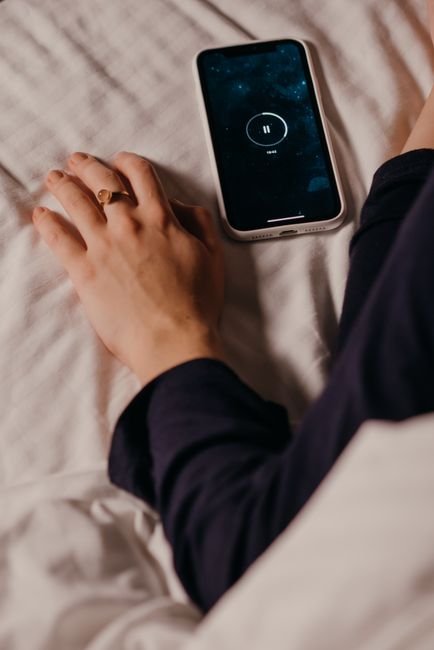
The Smart Ring: A Discreet Digital Companion – Unpacking the Pros and Cons
The wearable technology landscape is no longer dominated solely by smartwatches. A new, more subtle contender has emerged: the smart ring. These diminutive devices promise to pack powerful functionality into an unobtrusive form factor, offering a discreet way to monitor health, manage notifications, and interact with the digital world. But as with any burgeoning technology, the smart ring comes with its own unique set of advantages and disadvantages. Understanding these nuances is crucial for anyone considering this compact digital companion.
The Allure of the Smart Ring: Unveiling the Pros
One of the most significant advantages of smart rings lies in their discreet and unobtrusive design. Unlike bulky smartwatches that can draw unwanted attention or feel cumbersome during certain activities, a smart ring blends seamlessly with everyday jewelry. This aesthetic appeal makes them ideal for individuals who prefer a minimalist approach to technology or who work in environments where overt wearables are discouraged. The lack of a prominent screen also means fewer distractions, allowing users to stay connected without being constantly bombarded by notifications.
Beyond aesthetics, smart rings excel in comprehensive health and wellness tracking. Many models offer sophisticated sensors capable of monitoring heart rate, heart rate variability (HRV), body temperature, blood oxygen levels (SpO2), and sleep patterns with remarkable accuracy. This continuous, passive data collection provides a holistic view of an individual’s physiological state, enabling early detection of potential health issues and facilitating informed lifestyle adjustments. The focus on sleep tracking, in particular, is a standout feature for many smart rings, offering detailed insights into sleep stages, duration, and quality, which can be instrumental in improving overall well-being.
Enhanced sleep analysis is a recurring theme. Smart rings are often positioned on the finger, a location that can provide more accurate core body temperature readings than a wrist-worn device. This data, combined with movement and heart rate information, allows for a more nuanced understanding of sleep cycles, REM sleep, and deep sleep. This granular data can empower users to identify sleep disruptors and implement strategies for better rest.
Furthermore, the long battery life of many smart rings is a considerable advantage. Due to their smaller size and simpler displays (or lack thereof), they often require charging far less frequently than their smartwatch counterparts, sometimes lasting for several days or even a week on a single charge. This extended battery performance minimizes the inconvenience of frequent charging and ensures continuous data collection.
Convenience and accessibility are also key selling points. Smart rings can offer contactless payment capabilities, acting as a digital wallet that eliminates the need to pull out a phone or card. Some models also integrate gesture controls, allowing users to answer calls, control music playback, or trigger specific actions with simple hand movements. This hands-free interaction can be incredibly useful when multitasking or when your hands are otherwise occupied.
The durability and water resistance of many smart rings are also noteworthy. Crafted from robust materials like titanium or ceramic, they are designed to withstand the rigors of daily life, including showering, swimming, and intense workouts. This resilience makes them a reliable companion for active individuals.
Finally, for those seeking minimal digital distraction, a smart ring offers a compelling alternative. By focusing on essential data and discreet notifications, they can help users stay informed without succumbing to the constant urge to check their phone. This can lead to increased focus, improved productivity, and a healthier relationship with technology.
The Other Side of the Coin: Exploring the Cons
Despite their compelling advantages, smart rings are not without their drawbacks. One of the most significant limitations is the limited display and functionality. The absence of a screen means that complex information cannot be displayed directly. Users must rely on a companion smartphone app to access detailed data, view notifications, and configure settings. This dependency can be a point of friction for those who desire a more self-contained experience.
The learning curve and app dependency can also be a barrier. While the hardware might be simple, navigating the associated app, understanding the data presented, and customizing features requires a degree of technical literacy. For less tech-savvy individuals, the initial setup and ongoing use might prove challenging.
Accuracy and reliability can be a concern, particularly with less established brands. While many smart rings offer impressive sensor technology, the precision of their readings can vary. Factors like ring fit, skin temperature, and even individual physiology can influence the accuracy of data, especially for metrics like blood oxygen levels. Users should approach the data with a degree of critical evaluation and not solely rely on it for medical diagnoses.
Cost is another significant factor. High-end smart rings, equipped with advanced sensors and premium materials, can be as expensive as, or even more expensive than, mid-range smartwatches. This price point might place them out of reach for some consumers, especially when considering the more limited functionality compared to a smartwatch.
The limited notification capabilities are a direct consequence of the lack of a screen. While some rings offer subtle haptic feedback, they cannot display the content of messages or alerts. This means users will still need to reach for their phone to read important notifications, which can detract from the discreet experience.
Fit and comfort can be highly subjective. While designed to be unobtrusive, the perfect fit is crucial for accurate readings and comfortable wear. A ring that is too tight can restrict blood flow, affecting sensor accuracy, while one that is too loose can slip off or provide inaccurate movement data. Finding the right size and ensuring a comfortable fit for extended wear can be a trial-and-error process.
Security and privacy concerns are inherent to any device that collects personal health data. Users must be confident in the manufacturer’s data protection policies and understand how their information is stored, used, and potentially shared. The potential for data breaches or misuse of sensitive health information is a valid concern for many.
Finally, the limited third-party app integration can be a disadvantage. Unlike smartwatches that often boast extensive app ecosystems, smart rings typically have a more curated selection of compatible applications. This can limit their versatility and integration with other services users might rely on. The ecosystem is still developing, and the breadth of available integrations is not yet comparable to more established wearable platforms.