
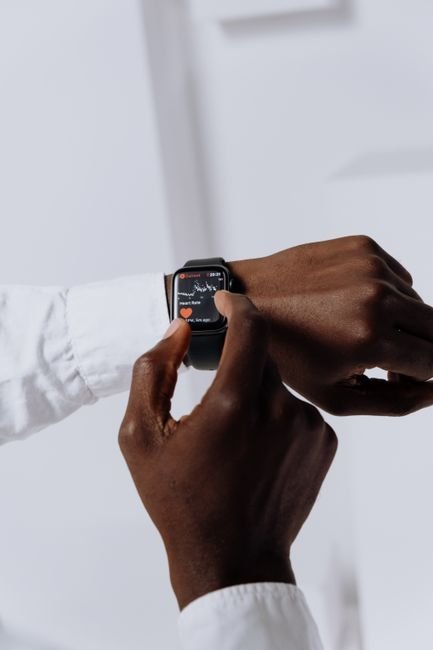
Track Your Health: Top Heart Rate Monitor Fitness Bands
In the pursuit of a healthier lifestyle, understanding your body’s physiological responses is paramount. At the forefront of this personal health revolution are fitness bands equipped with advanced heart rate monitoring capabilities. These wearable devices have transcended their initial role as simple step counters, evolving into sophisticated tools that provide deep insights into cardiovascular health, exercise intensity, and overall well-being. Choosing the right heart rate monitor fitness band can be a game-changer, empowering you to make informed decisions about your training, recovery, and daily habits. This comprehensive guide delves into the top contenders, exploring their features, accuracy, usability, and the unique benefits they offer to individuals at all fitness levels.
The Science Behind Heart Rate Monitoring:
Before diving into specific models, it’s crucial to grasp the significance of heart rate monitoring. Your heart rate, the number of times your heart beats per minute, is a direct indicator of your body’s workload. During exercise, your heart rate increases to pump more oxygenated blood to your muscles. Monitoring this allows you to:
- Optimize Workout Intensity: Stay within your target heart rate zones (fat burning, cardio, peak) to maximize the effectiveness of your workouts.
- Track Cardiovascular Fitness: A lower resting heart rate and a quicker recovery rate after exercise often signify improved cardiovascular health.
- Monitor Stress and Recovery: Elevated resting heart rates can indicate stress, poor sleep, or overtraining, prompting necessary adjustments.
- Identify Irregularities: Some advanced devices can detect potential arrhythmias or other abnormalities, encouraging a consultation with a medical professional.
Key Features to Consider:
When selecting a heart rate monitor fitness band, several factors warrant careful consideration:
- Heart Rate Sensor Accuracy: This is paramount. Look for devices utilizing optical heart rate sensors (photoplethysmography or PPG) with a reputation for accuracy, especially during intense activity. Some bands offer continuous monitoring, while others measure on-demand.
- GPS Connectivity: For runners, cyclists, and outdoor enthusiasts, built-in GPS is essential for accurately tracking distance, pace, and route without needing a connected smartphone.
- Battery Life: Frequent charging can be inconvenient. Consider how long the band can last on a single charge, especially if you plan on extended workouts or multi-day adventures.
- Water Resistance: For swimmers and those who sweat profusely, a high degree of water resistance (e.g., 5 ATM or higher) is a must.
- Display and Interface: A clear, easy-to-read display is crucial for quickly checking your stats during a workout. Intuitive navigation and user-friendly apps enhance the overall experience.
- Additional Health Metrics: Beyond heart rate, many bands track sleep stages, blood oxygen levels (SpO2), stress scores, and even ECG readings for a more holistic health overview.
- Smartwatch Features: Some fitness bands blur the lines with smartwatches, offering notifications, music control, contactless payments, and app integration.
- Comfort and Design: A comfortable fit is essential for continuous wear. Consider the materials, strap adjustability, and overall aesthetic.
Top Heart Rate Monitor Fitness Bands:
The market is brimming with excellent options, each catering to different needs and budgets. Here are some of the top-performing heart rate monitor fitness bands:
1. Garmin Vivosmart 5:
Garmin is renowned for its robust fitness tracking capabilities, and the Vivosmart 5 is a testament to their expertise. This sleek band offers continuous heart rate monitoring, providing valuable insights into resting heart rate, heart rate variability (HRV) for stress tracking, and blood oxygen saturation (SpO2). Its Body Battery™ energy monitor uses heart rate data, sleep quality, and activity levels to gauge your body’s energy reserves, helping you optimize training and recovery. The Vivosmart 5 also boasts advanced sleep tracking, distinguishing between light, deep, and REM sleep. Its durable, waterproof design makes it suitable for all activities, and the impressive battery life ensures you won’t be tethered to a charger. While it lacks built-in GPS, it can leverage your phone’s GPS for outdoor activities. The accompanying Garmin Connect app is a powerhouse of data analysis, offering personalized insights and training plans.
2. Fitbit Charge 5:
Fitbit has long been a leader in the consumer fitness tracker space, and the Charge 5 continues this legacy with a premium experience. Its advanced sensors provide accurate heart rate monitoring, enabling detailed workout analysis and resting heart rate tracking. A standout feature is the on-demand ECG app, which can assess your heart rhythm for signs of atrial fibrillation (AFib). The EDA Scan app measures your body’s response to stress by tracking your electrodermal activity. The Charge 5 also offers comprehensive sleep tracking, SpO2 monitoring, and a Daily Readiness Score that helps you determine if you’re ready for a tough workout or need to prioritize recovery. Its vibrant AMOLED display is a joy to behold, and the battery life is respectable. While it doesn’t have built-in GPS, it’s a fantastic all-around fitness and health tracker.
3. Apple Watch Series 8/SE (2nd Gen):
While technically smartwatches, Apple Watches are exceptionally capable fitness trackers with integrated, highly accurate heart rate monitoring. The Series 8 offers a sophisticated optical heart sensor that provides continuous heart rate tracking, high and low heart rate notifications, and irregular rhythm notifications. It also features an ECG app for on-demand heart rhythm assessment and blood oxygen measurement. The temperature sensing capabilities of the Series 8 can provide deeper insights into women’s health tracking. The SE (2nd Gen) offers a more budget-friendly entry point, retaining excellent heart rate monitoring and activity tracking features, though it omits the ECG and blood oxygen sensors. Both models boast a stunning display, seamless integration with the Apple ecosystem, and a vast array of fitness apps and workout modes. Built-in GPS is standard, and water resistance is excellent.
4. Samsung Galaxy Watch 5/5 Pro:
For Android users seeking a feature-rich wearable, the Samsung Galaxy Watch 5 series excels. The advanced BioActive Sensor provides comprehensive health monitoring, including accurate heart rate tracking, ECG, and blood oxygen measurements. The watch offers detailed sleep analysis, body composition analysis (measuring skeletal muscle, fat mass, body water, etc.), and stress monitoring. The Galaxy Watch 5 Pro, in particular, offers enhanced durability, a larger battery, and advanced GPS features for outdoor enthusiasts. Both models offer a fluid user experience with the Wear OS powered by Samsung, allowing for app downloads, music control, and contactless payments. The vibrant AMOLED display and robust build quality make them compelling choices.
5. Amazfit Band 7:
The Amazfit Band 7 represents an excellent value proposition, delivering a comprehensive suite of health and fitness tracking features at an accessible price point. It boasts continuous heart rate monitoring, SpO2 tracking, stress monitoring, and detailed sleep analysis. The band offers over 120 sports modes, with automatic recognition for some common activities. Its large, bright AMOLED display makes it easy to view your stats, and the battery life is exceptional, often lasting for weeks on a single charge. While it lacks built-in GPS, it’s a fantastic option for those who prioritize core fitness tracking and long battery life without breaking the bank.
6. Whoop 4.0 (Subscription-Based):
Whoop takes a different approach, offering a subscription-based wearable focused on recovery and strain. The Whoop 4.0 continuously monitors heart rate, HRV, respiratory rate, and skin temperature to provide a daily Strain, Recovery, and Sleep score. This data helps users understand their body’s readiness for exertion and optimize their training load to prevent overtraining and injury. The band itself is minimalist and comfortable for 24/7 wear, with no screen. All data is accessed through the intuitive Whoop app. While the subscription model might not appeal to everyone, for serious athletes and individuals focused on performance optimization and injury prevention, Whoop offers unparalleled insights.
7. COROS PACE 3:
For endurance athletes, particularly runners and triathletes, the COROS PACE 3 is a compelling choice. It offers highly accurate, continuous heart rate monitoring, along with advanced running metrics like stride length, cadence, and vertical oscillation. Built-in GPS is exceptionally precise, and the battery life is astounding, capable of lasting weeks in smartwatch mode and days in full GPS mode. The PACE 3 also includes sleep tracking, SpO2 monitoring, and a recovery advisor. Its lightweight design and durable construction make it ideal for demanding training regimens. The COROS ecosystem provides robust training analysis and planning tools.
Leveraging Your Data for a Healthier You:
Once you’ve chosen your ideal fitness band, the real work begins: interpreting the data and acting upon it.
- Establish Baselines: Understand your resting heart rate and recovery heart rate during periods of low activity. This provides a benchmark for assessing improvements.
- Target Heart Rate Zones: Use your heart rate data to ensure you’re exercising at the appropriate intensity for your goals. Most fitness apps will guide you in calculating these zones.
- Listen to Your Body: Pay attention to elevated resting heart rates or prolonged high heart rates during rest, which can indicate stress, illness, or overtraining.
- Prioritize Sleep: Use sleep tracking to identify patterns and make adjustments to improve sleep quality, which is crucial for recovery and overall health.
- Consistency is Key: Regular tracking and consistent effort are more important than sporadic bursts of intense activity.
The evolution of fitness bands with advanced heart rate monitoring has democratized access to powerful health insights