
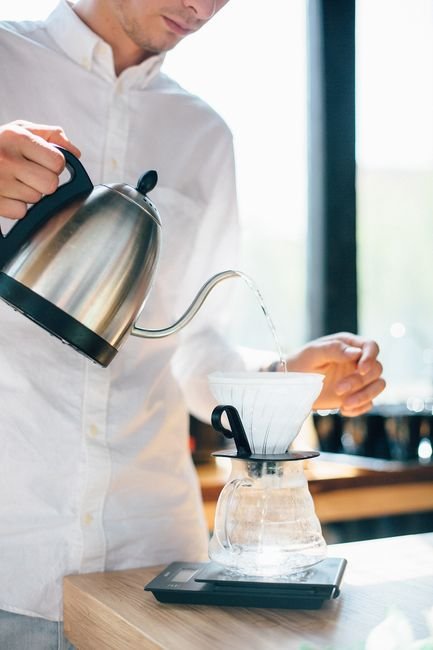
Discover Cold Coffee Perfection with Your Electric Kettle
The allure of cold coffee, a creamy, refreshing elixir, often conjures images of elaborate brewing methods and specialized equipment. However, the truth is far more accessible. Your trusty electric kettle, a common kitchen appliance, holds the key to unlocking surprisingly sophisticated cold coffee experiences. Forget expensive cold brew makers or hours of steeping; with a few clever techniques, your electric kettle can become your secret weapon for chilled coffee perfection. This article will delve into the nuances of this accessible approach, exploring the science behind it, offering practical tips, and guiding you towards consistently delicious cold coffee creations.
The fundamental principle behind any cold coffee method is extracting flavor from coffee grounds without the harshness that can arise from high temperatures. While traditional cold brew relies on time and immersion at room temperature, the electric kettle offers a shortcut – a controlled, rapid heating process that can be strategically employed. The key lies in flash brewing, a technique that utilizes hot water to quickly extract soluble compounds from coffee grounds, followed by rapid cooling. This method aims to capture the desirable flavor notes of coffee while minimizing the extraction of bitter tannins, which are more readily released at higher temperatures and prolonged contact.
Understanding the coffee-to-water ratio is paramount for any brewing method, and electric kettle cold coffee is no exception. A general starting point for a strong concentrate is a 1:5 ratio of coffee grounds to water. For example, 20 grams of coffee to 100 grams (or milliliters) of hot water. This concentrate will then be diluted with cold water or milk to your desired strength and taste. Experimentation is encouraged; some prefer a bolder concentrate, while others opt for a milder extraction. The grind size also plays a crucial role. A medium to medium-coarse grind is generally recommended. Too fine a grind can lead to over-extraction and bitterness, even with rapid cooling. Too coarse, and you risk an under-extracted, weak brew. Think of the consistency of coarse sand.
The electric kettle’s precision in temperature control is a significant advantage. For flash brewing cold coffee, aim for a water temperature between 195°F and 205°F (90°C to 96°C). This range is hot enough to efficiently extract flavor but avoids the boiling point, which can scald the grounds and introduce bitterness. Many modern electric kettles offer specific temperature settings, making this process remarkably straightforward. If your kettle lacks this feature, bring the water to a boil and then let it sit for about 30-60 seconds before pouring. This will bring the temperature down to the optimal range.
The brewing process itself can be adapted in several ways using your electric kettle. One popular and effective method is the Japanese Iced Coffee technique, adapted for kettle use. Here’s how it works:
- Prepare your brewing vessel: A pour-over cone (like a V60 or Kalita Wave) fitted with a paper filter is ideal. Place this over a carafe or sturdy mug that can withstand temperature changes.
- Add coffee grounds: Measure your medium-coarse ground coffee into the filter.
- Bloom the coffee: Heat your water to the desired temperature (195-205°F). Pour just enough hot water over the grounds to saturate them evenly. This “bloom” allows trapped gases to escape, leading to a more even extraction. Let it sit for 30 seconds.
- Pour and extract: Slowly and steadily pour the remaining hot water over the grounds in concentric circles, ensuring all grounds are consistently wetted. Aim to complete the pour within 2-3 minutes. The hot coffee will drip directly onto the cold surface below.
- Rapid Cooling: The magic happens here. Crucially, place a significant amount of ice in the carafe or mug before brewing. As the hot coffee drips onto the ice, it rapidly cools, locking in the delicate flavors and preventing the development of bitterness. The hot coffee melts the ice, diluting the concentrate to the perfect drinking strength.
Another accessible approach involves a French press. While not traditionally used for hot coffee intended for immediate chilling, it can be adapted.
- Heat water: Bring your water to the optimal temperature (195-205°F) in your electric kettle.
- Add coffee and water: Add your medium-coarse ground coffee to the French press. Pour the hot water over the grounds.
- Steep briefly: Allow the coffee to steep for a very short period, typically 1-2 minutes. This is significantly shorter than a traditional hot brew.
- Plunge and chill: After the brief steep, plunge the filter down. Immediately pour the hot coffee concentrate into a separate container filled with ice. Stir to ensure rapid and even cooling.
For those seeking an even simpler method, consider a “quick steep” in a heat-resistant jar or French press.
- Heat water: Use your electric kettle to heat water to 195-205°F.
- Combine and steep: Add your coffee grounds to a heat-resistant jar or French press. Pour the hot water over the grounds. Stir gently.
- Short steep: Let it steep for just 30-60 seconds. This is a very brief extraction.
- Strain and chill: Strain the coffee concentrate through a fine-mesh sieve or cheesecloth into a glass filled with ice.
The choice of coffee beans significantly impacts the final flavor profile of your cold coffee. For flash brewed methods, lighter to medium roasts often shine. These roasts tend to have brighter acidity and more delicate floral or fruity notes, which are well-preserved by rapid cooling. Darker roasts, while delicious hot, can sometimes yield a more pronounced bitterness when flash brewed. Experiment with single-origin beans to discover unique flavor nuances. Washed coffees often exhibit cleaner profiles, while natural processed coffees can offer more fruit-forward characteristics.
Beyond the basic brewing techniques, several factors can elevate your electric kettle cold coffee experience. Water quality is often overlooked but is fundamental to good coffee. Using filtered water will remove impurities that can interfere with flavor extraction. The purity of your ice is also important. Use fresh, clean ice cubes that haven’t absorbed odors from your freezer.
Customization is where electric kettle cold coffee truly excels. Once you have your chilled concentrate, the possibilities are endless. Dilute it with cold filtered water for a pure, unadulterated coffee experience. For a creamy delight, add chilled milk (dairy or non-dairy). Almond milk, oat milk, and soy milk all offer distinct textures and subtle flavor contributions. Sweeten your creation with simple syrup, agave nectar, or your preferred sweetener. A touch of vanilla extract or a pinch of cinnamon can add further complexity. For an indulgent treat, consider a splash of heavy cream for a richer mouthfeel.
Storing your cold coffee concentrate is also a consideration. If you brew a larger batch of concentrate, it can be stored in an airtight container in the refrigerator for 2-3 days. However, for the freshest flavor, it’s best to brew what you intend to consume within a shorter timeframe.
The electric kettle’s versatility extends beyond just flash brewing. It can also be used to pre-heat your brewing water for traditional cold brew. If you prefer the longer, more mellow extraction of traditional cold brew but want to speed up the initial steeping process, you can use your electric kettle to heat a portion of your water to a lukewarm temperature (around 100-120°F or 40-50°C). This slightly warmer water can help to initiate the extraction process more quickly in your cold brew pitcher, potentially shaving off an hour or two from the typical 12-24 hour steep time. While this isn’t a direct cold coffee brewing method with the kettle, it demonstrates its supportive role in various coffee preparations.
For those who enjoy iced lattes, the electric kettle is your gateway. Brew your flash-chilled concentrate, then add your choice of steamed milk (using the kettle’s heating function if it has one, or a separate frother) and a sweetener. The ease of rapidly cooling the coffee ensures you have a strong base ready to be transformed into a café-quality iced latte at home.
Ultimately, discovering cold coffee perfection with your electric kettle is an exploration of accessible techniques and personalized flavor. It’s about demystifying the process and empowering you to create delicious, refreshing coffee beverages with minimal fuss and maximum satisfaction. The electric kettle, often relegated to tea-making duties, proves itself to be a surprisingly capable tool for the cold coffee enthusiast, offering a path to consistent, high-quality results without requiring specialized, expensive equipment. Embrace the simplicity, experiment with ratios and beans, and unlock a world of chilled coffee enjoyment, all thanks to the humble electric kettle.