
Smart TV vs. Standard TV: Is It Time to Upgrade?
The evolution of television technology has been nothing short of remarkable. From flickering black and white screens to razor-sharp 4K HDR displays, the viewing experience has been fundamentally transformed. Today, the most significant divide in the television market isn’t just about picture quality, but about connectivity and functionality. The choice between a Smart TV and a Standard TV is a pivotal one for consumers, and for many, the question isn’t if it’s time to upgrade, but why and when.
A Standard TV, often referred to as a “dumb TV,” primarily serves a singular purpose: displaying content from external sources. This typically means connecting a cable box, satellite receiver, Blu-ray player, or gaming console via HDMI or other legacy ports. While perfectly capable of delivering excellent picture and sound quality, its intelligence is limited to the signals it receives. It lacks built-in internet connectivity and the operating system that powers modern digital experiences.
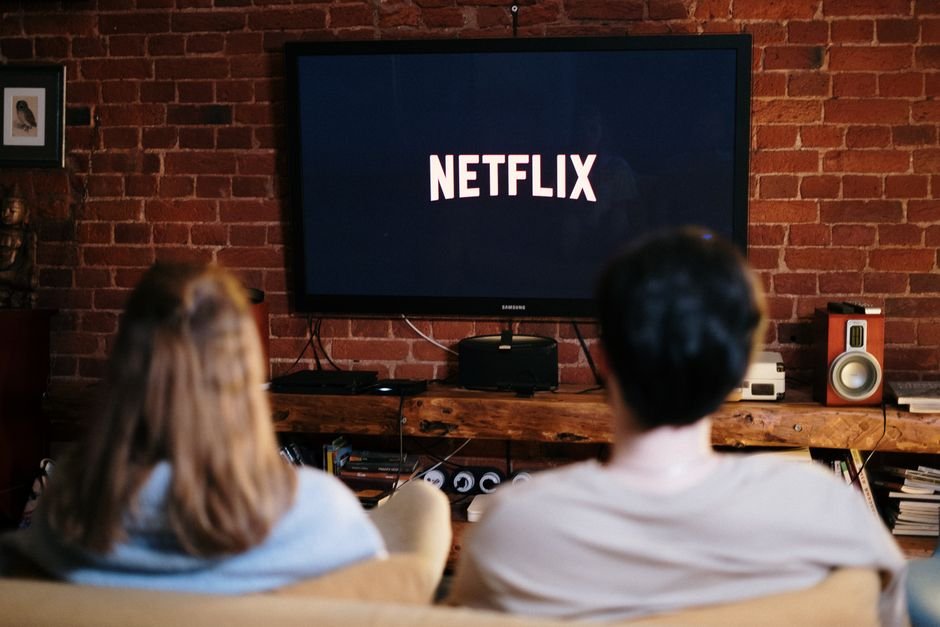
In stark contrast, a Smart TV is essentially a television with a computer built-in. It possesses an integrated operating system, Wi-Fi or Ethernet connectivity, and an app store. This allows it to connect directly to the internet, enabling a vast array of features beyond traditional broadcast television. Think of it as a television that can also stream movies and shows from services like Netflix, Hulu, Amazon Prime Video, Disney+, and YouTube, all without the need for additional streaming devices.
The core advantage of a Smart TV lies in its convenience and integrated ecosystem. Instead of juggling multiple remotes for your TV, streaming stick, and soundbar, a Smart TV often consolidates these functions into a single, intuitive interface. Navigating through streaming apps, browsing the web, or even engaging in video calls (on some models) becomes a seamless part of the television experience.
When considering an upgrade, the streaming capabilities of a Smart TV are arguably the most compelling reason. The cord-cutting movement has gained significant momentum, with millions of households opting to ditch traditional cable subscriptions in favor of on-demand streaming services. A Smart TV eliminates the need for a separate streaming device like a Roku, Amazon Fire Stick, or Apple TV, saving not only money but also precious HDMI ports and counter space. This integration streamlines the setup process and ensures that the latest streaming apps are readily available and often optimized for the TV’s hardware.
Beyond streaming, Smart TVs offer a host of additional functionalities. Many come equipped with web browsers, allowing for casual internet browsing directly on the big screen. Some can even mirror content from smartphones and tablets, making it easy to share photos, videos, or presentations with a wider audience. Smart home integration is another rapidly expanding feature. With a Smart TV, you can control compatible smart lights, thermostats, and security cameras directly from your television’s interface, creating a central hub for your connected home. Voice control, powered by virtual assistants like Google Assistant or Amazon Alexa, further enhances this convenience, allowing you to search for content, adjust settings, or even get weather updates with simple voice commands.
However, the upgrade path isn’t always a clear-cut decision. Standard TVs, particularly higher-end models, can still offer exceptional picture quality. If your primary concern is the absolute best visual fidelity for movies and sports, and you already have a preferred streaming device, a high-quality standard TV might still be a viable option. Furthermore, the lifespan of a Smart TV’s operating system and app support can be a concern. Unlike a dedicated streaming device which receives frequent software updates, a Smart TV’s internal software may become outdated over time, potentially limiting access to newer apps or features. This can lead to a feeling of obsolescence, even if the display panel itself remains in excellent condition.
The cost is another significant factor. Historically, Smart TVs have commanded a premium price over their standard counterparts. However, the market has shifted dramatically. Today, the vast majority of new televisions sold are Smart TVs, and the price difference between a comparable Smart TV and a hypothetical standard TV is often negligible or non-existent, especially in the mid-range and budget segments. Manufacturers have recognized that the integrated smart features are now an expected component, not a premium add-on.
The user interface and operating system of a Smart TV can also be a point of contention. Different manufacturers employ different operating systems (e.g., webOS for LG, Tizen for Samsung, Android TV/Google TV for Sony and TCL, Roku TV for TCL and Hisense). Each has its own strengths and weaknesses in terms of ease of use, app availability, and responsiveness. Some are more intuitive and faster than others. For users accustomed to the simplicity of a standard TV and a separate streaming device, the learning curve for a new Smart TV interface might be a consideration.
When making the decision, consider your current viewing habits. Are you already a heavy streamer? Do you rely on multiple external devices for content consumption? If the answer is yes, a Smart TV will likely simplify your setup and enhance your experience. If you primarily watch broadcast television or rely on a single, well-loved external device for all your streaming needs, the immediate need for a Smart TV might be less pressing.
The long-term value proposition of a Smart TV is also worth noting. While the software may eventually become dated, the underlying hardware, including the display panel, often remains relevant for many years. The ability to connect to the internet and access streaming services directly from the TV means that even as external streaming devices evolve, your television can still serve as a functional gateway to the digital world for a considerable period. This can offer a better return on investment compared to a standard TV that, without a smart interface, becomes increasingly limited in its functionality over time.
The future of television is undeniably smart. As internet speeds increase and smart home technology becomes more ubiquitous, the lines between traditional television and interactive digital platforms will continue to blur. Manufacturers are investing heavily in developing more sophisticated smart TV platforms, integrating advanced AI features, and enhancing the overall user experience. For consumers looking to future-proof their home entertainment setup, embracing a Smart TV is a logical step.
Furthermore, the upgrade cycle for televisions is generally longer than for smartphones or computers. Investing in a Smart TV now ensures you are equipped with the latest functionalities that are becoming the industry standard. While a standard TV might offer comparable picture quality at a similar price point for a brief period, its inherent limitations in connectivity and functionality will become more apparent as the media landscape continues to evolve.
Ultimately, the decision to upgrade from a Standard TV to a Smart TV hinges on a balance of individual needs, budget, and a forward-looking perspective on technology. For the vast majority of consumers today, the benefits of convenience, integrated streaming, and a more connected entertainment experience offered by a Smart TV far outweigh the perceived advantages of a standard television. The question is less about whether it’s time to upgrade, and more about choosing the right Smart TV that aligns with your specific requirements and preferences.