
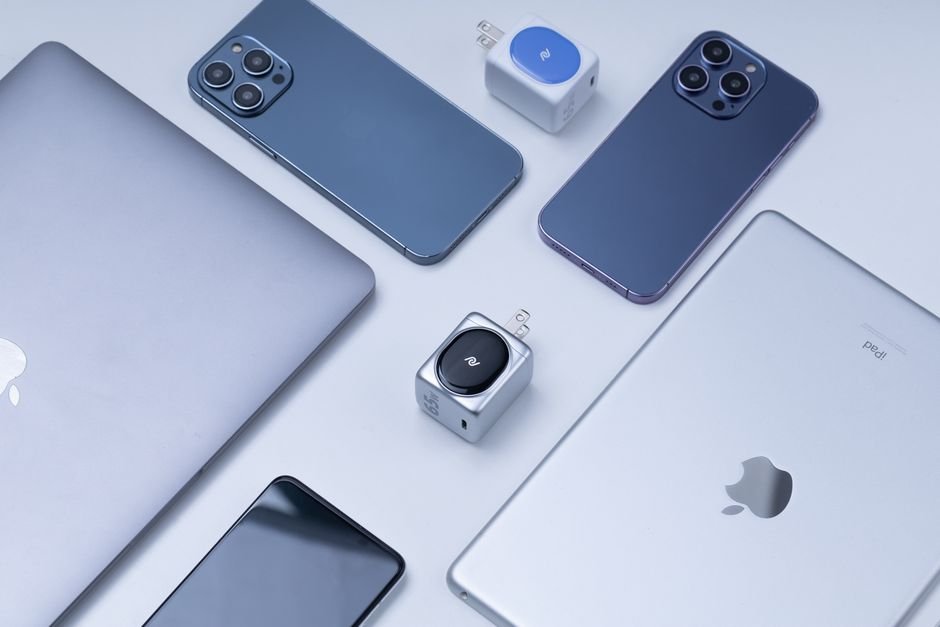
From 0 to 100%: How 65W Fast Chargers Transform Your Charging
The ubiquitous smartphone has become an indispensable extension of our lives, a portal to information, communication, and entertainment. However, its insatiable appetite for power often leads to a familiar frustration: the dreaded low battery warning. For years, charging times felt like an eternity, dictating our workflows and interrupting our digital engagement. This paradigm shift is rapidly being redefined by the advent of high-wattage fast chargers, with the 65W standard emerging as a sweet spot for transformative charging speeds. Moving from a trickle charge to a potent surge, 65W technology is not just about convenience; it’s about reclaiming time, enhancing productivity, and fundamentally altering our relationship with our devices.
The core of this transformation lies in the concept of Power Delivery (PD) and Qualcomm Quick Charge (QC) protocols. These advanced charging standards allow for intelligent communication between the charger and the device. Instead of a fixed, often slow, power output, 65W chargers, when paired with compatible devices, can dynamically adjust voltage and amperage. This negotiation ensures the maximum safe and efficient power is delivered, significantly reducing the time it takes to replenish your battery from near-empty to full. For a typical smartphone with a 4000-5000mAh battery, a 65W charger can often achieve a 50% charge in under 30 minutes, and a full charge in roughly an hour or less, a stark contrast to the multi-hour waits of older charging technologies.
This dramatic reduction in charging time has profound implications for daily life. Imagine a scenario where you wake up to a dead phone. Instead of panicking and searching for an outlet for the next few hours, a quick 15-20 minute charge with a 65W adapter might be enough to get you through your morning commute, answer urgent emails, and make essential calls. This capability is a game-changer for busy professionals, students, and anyone who relies heavily on their mobile devices throughout the day. The anxiety of a dwindling battery becomes a relic of the past, replaced by the confidence of rapid replenishment.
Beyond smartphones, the impact of 65W fast charging extends to a wider ecosystem of portable electronics. Laptops, particularly ultrabooks and many mid-range models, are increasingly adopting USB-C PD charging. A 65W charger can often power these devices sufficiently while charging, or even charge them at a respectable pace while in use. This means carrying a single, powerful charger for your phone and laptop, simplifying travel and reducing clutter. Similarly, tablets, wireless earbuds, and other USB-C powered gadgets can benefit immensely from these faster charging speeds, ensuring they are always ready when you need them.
The underlying technology enabling this speed involves more sophisticated internal circuitry within both the charger and the device. GaN (Gallium Nitride) technology has been a significant enabler for compact and efficient high-wattage chargers. GaN components are more energy-efficient and can handle higher voltages and temperatures than traditional silicon, allowing for smaller, lighter, and more powerful chargers. This means that a 65W charger today is often smaller than a 30W charger from a few years ago, making them incredibly portable and convenient to carry in a pocket or bag.
Furthermore, advanced thermal management plays a crucial role. Fast charging generates heat, and both the charger and the device employ intelligent systems to dissipate this heat effectively, preventing overheating and ensuring the longevity of the battery and components. This is often achieved through sophisticated sensor arrays and optimized power delivery algorithms that modulate charging speed based on temperature readings.
The transition to 65W fast charging also signifies a move towards universal charging standards. USB-C has become the de facto standard for modern devices, and Power Delivery ensures interoperability. This means that a single 65W charger can, in theory, charge a wide array of devices from different manufacturers, reducing the need for proprietary chargers and promoting a more sustainable approach to electronics. However, it’s crucial to ensure that both the charger and the device support the same PD or QC standards for optimal performance. Look for chargers explicitly mentioning support for USB PD 3.0 or higher, and Qualcomm Quick Charge 4+ or 5.
The user experience is dramatically improved. The visual feedback on our devices has evolved from a slow-moving battery icon to rapid percentage point increases. This tangible progress instills a sense of control and efficiency. Tasks that previously required extended downtime, like waiting for a phone to charge before leaving the house, can now be accomplished in minutes. This reclaimed time can be reinvested in work, leisure, or simply enjoying the freedom of not being tethered to a power outlet.
The economic impact is also noteworthy. While 65W chargers might have a slightly higher initial cost compared to basic chargers, their efficiency, durability, and the time savings they offer represent a significant return on investment. Furthermore, by reducing the reliance on multiple specialized chargers, consumers can save money and reduce electronic waste. The ability to use one charger for multiple devices simplifies purchasing decisions and contributes to a less cluttered digital life.
However, it’s important to acknowledge that not all devices are created equal. While a 65W charger can deliver 65W, the device it’s connected to will only draw the maximum power it’s designed to handle. A smartphone capable of accepting only 25W will not magically charge at 65W. It will simply charge at its maximum supported speed, which will still be significantly faster than a standard 5W or 10W charger. This ensures device safety and battery health. Therefore, when investing in a 65W charger, it’s beneficial to have devices that can fully leverage its capabilities.
The future of charging is undoubtedly heading towards even higher wattages and greater efficiency. However, 65W currently represents a mature and widely adopted standard that strikes an excellent balance between raw power, device compatibility, and practical form factor. It’s a technology that has moved beyond niche applications and is now a mainstream enabler of a more dynamic and connected lifestyle. From the frantic search for an outlet to the effortless top-up that fits seamlessly into our busy schedules, 65W fast chargers have fundamentally transformed the way we power our digital lives, pushing us from 0% to 100% with unprecedented speed and efficiency.