
Beyond Air Conditioning: Energy Efficient Ceiling Fans for Summer
As summer’s heat intensifies, the allure of blasting the air conditioner becomes almost irresistible. However, this reliance on energy-hungry cooling systems contributes significantly to rising electricity bills and environmental strain. Fortunately, a powerful and surprisingly effective alternative exists, often overlooked in the pursuit of icy temperatures: the energy-efficient ceiling fan. Moving beyond their traditional role, modern ceiling fans offer sophisticated designs, advanced technologies, and a compelling path towards sustainable and comfortable summer living.
The fundamental principle behind ceiling fan efficacy lies in the concept of wind chill. While a fan doesn’t actually lower the ambient temperature, it creates a breeze that accelerates the evaporation of perspiration from your skin. This evaporative cooling process, a natural biological mechanism, makes you feel significantly cooler. This sensation can allow you to comfortably tolerate higher thermostat settings on your air conditioner, or even forgo its use entirely for extended periods. The energy savings are substantial. A typical central air conditioning system can consume between 3,000 and 5,000 watts per hour, whereas a high-efficiency ceiling fan typically uses between 15 and 75 watts. This translates to a dramatic reduction in energy consumption and, consequently, your monthly utility expenses.
The evolution of ceiling fan technology has transformed them from simple rotating blades into intelligent climate control devices. Early models were characterized by basic designs and limited functionality. Today, however, the market boasts a dazzling array of options, each engineered for optimal performance and energy efficiency. One of the most significant advancements is the widespread adoption of DC (Direct Current) motors. Unlike traditional AC (Alternating Current) motors, DC motors are inherently more energy-efficient, consuming up to 70% less power. They also operate more quietly, produce less heat, and offer a wider range of speed settings, allowing for finer control over airflow. Many DC motor fans also feature reverse modes, which can be beneficial for circulating warm air downwards during cooler months, extending their utility beyond just summer.
Another key factor in energy-efficient ceiling fan design is blade aerodynamics. The shape, pitch, and material of the blades play a crucial role in how effectively they move air. Modern fans often feature blades crafted from lightweight yet durable materials like ABS plastic, composite wood, or even recycled materials. These blades are meticulously designed with specific airfoil shapes and pitches to maximize airflow volume (measured in Cubic Feet per Minute – CFM) while minimizing energy expenditure. Higher CFM ratings indicate a greater volume of air moved, translating to more effective cooling. When selecting a fan, pay close attention to its CFM rating in conjunction with its wattage consumption to determine its true energy efficiency. A fan with a high CFM and low wattage is the ideal choice.
Smart technology integration is further enhancing the appeal and efficiency of ceiling fans. Many contemporary models come equipped with remote controls, allowing for effortless adjustment of speed, direction, and lighting from across the room. Even more advanced are fans that integrate with smart home ecosystems. These “smart fans” can be controlled via smartphone apps, voice commands through assistants like Alexa or Google Assistant, and can even be programmed to operate on schedules or in response to ambient temperature sensors. This level of control allows for highly personalized and energy-conscious cooling. Imagine a smart fan automatically adjusting its speed as the afternoon sun heats up your living room, or gradually slowing down as the evening cools. This intelligent automation ensures you’re only using the fan’s energy when and how you need it.
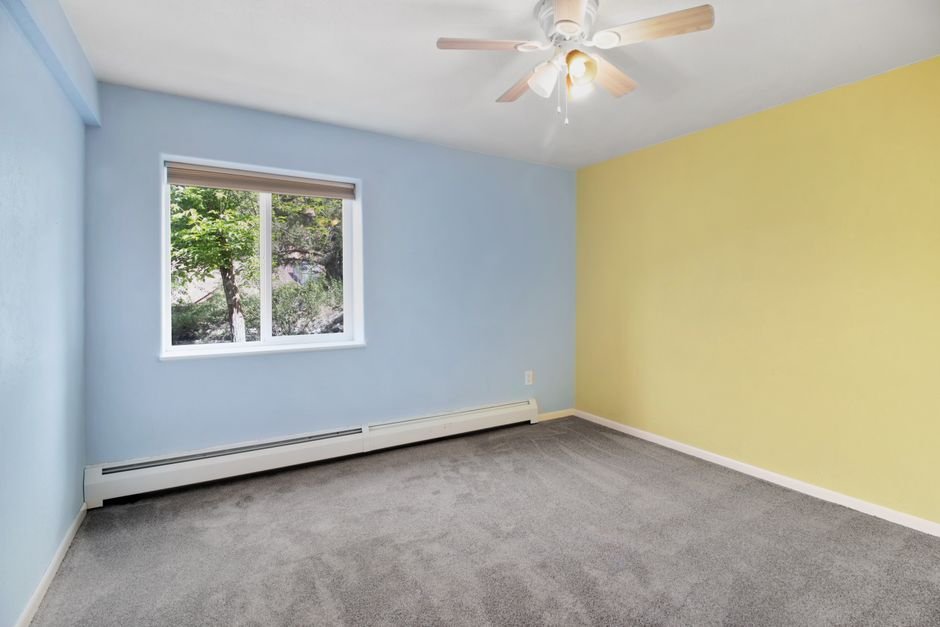
Proper fan placement and selection are paramount to maximizing their cooling benefits. For a standard room, a fan with a diameter of 42-54 inches is generally recommended. The fan should be mounted at a height of 8-9 feet from the floor to ensure optimal air circulation. Crucially, the fan should be centrally located in the room, allowing its airflow to reach as much of the space as possible. For larger rooms or open-plan living areas, consider using multiple fans or a larger diameter fan to achieve adequate coverage. It’s also important to ensure the fan is appropriately sized for the room’s dimensions. An undersized fan will struggle to create a noticeable breeze, while an oversized fan might create an uncomfortably strong downdraft.
Beyond the fan itself, complementary strategies can further amplify its energy-saving potential. Utilizing ceiling fans in conjunction with your air conditioner is a highly effective approach. By setting your thermostat a few degrees higher and relying on the fan for immediate comfort, you can significantly reduce your AC’s run time. For instance, setting your thermostat to 78°F (26°C) with a ceiling fan running can feel as comfortable as 74°F (23°C) without a fan, yet saves considerable energy. During milder weather, opening windows and doors in the early morning and late evening to allow cooler air to enter, and then using the ceiling fan to circulate this fresh air, can eliminate the need for any mechanical cooling.
The aesthetic appeal of ceiling fans has also undergone a significant transformation. Gone are the days of bulky, utilitarian designs. Today’s energy-efficient ceiling fans are available in a vast array of styles, finishes, and materials to complement any interior décor. From sleek, minimalist designs with integrated LED lighting to rustic, farmhouse-inspired models, there’s a fan to suit every taste. Many modern fans feature reversible blades, allowing you to switch between summer and winter modes, further enhancing their year-round value. The integration of energy-efficient LED lighting also adds functionality and reduces the need for separate light fixtures, contributing to overall energy savings.
When investing in an energy-efficient ceiling fan, look for ENERGY STAR certification. This designation indicates that the product meets strict energy efficiency guidelines set by the U.S. Environmental Protection Agency. ENERGY STAR certified fans are independently tested and verified to be more energy-efficient than standard models, consuming less electricity without compromising performance. Additionally, research the CFM per watt rating. This metric provides a direct comparison of how much airflow a fan delivers for every watt of energy it consumes, offering a clear indicator of its efficiency.
Maintenance also plays a role in ensuring optimal performance and energy efficiency. Regularly cleaning the fan blades removes dust and debris, which can affect airflow and put additional strain on the motor. Periodically checking for any loose screws or wobbling can prevent inefficient operation and potential safety hazards.
In conclusion, energy-efficient ceiling fans are no longer just an accessory; they are a vital component of a sustainable and comfortable home cooling strategy. By understanding the technology, making informed purchasing decisions, and employing smart usage practices, consumers can harness the power of these versatile appliances to significantly reduce their energy consumption, lower their utility bills, and contribute to a greener future, all while enjoying a cooler and more pleasant summer.