
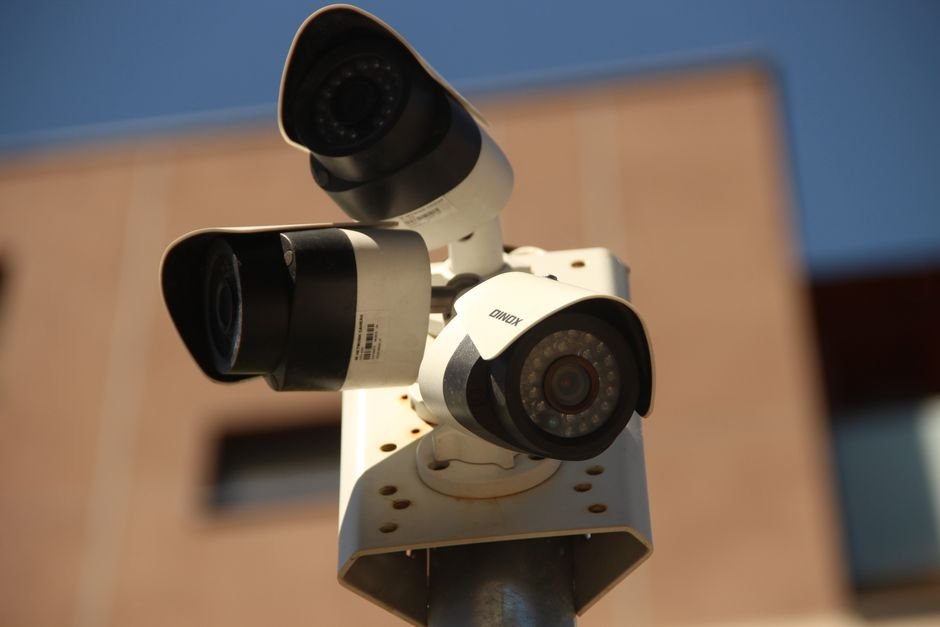
Advanced CCTV Analytics: Beyond Basic Surveillance
Traditional Closed-Circuit Television (CCTV) systems have long been the bedrock of security, offering a visual deterrent and a means to review incidents after the fact. However, the evolution of technology has ushered in a new era: Advanced CCTV Analytics. This sophisticated application of artificial intelligence (AI) and machine learning (ML) transforms passive video feeds into proactive, intelligent data streams, moving far beyond simple recording to offer profound insights and automated actions. Businesses and organizations are now leveraging these advanced capabilities to optimize operations, enhance safety, and gain a competitive edge.
The core of advanced CCTV analytics lies in its ability to interpret video content in real-time, identifying patterns, anomalies, and specific objects or behaviors that would be impossible for human operators to detect consistently and at scale. This interpretation is powered by algorithms trained on vast datasets, enabling the system to distinguish between a person, a vehicle, a package, or even a specific type of animal with remarkable accuracy. This granular understanding of visual information unlocks a wealth of applications across diverse sectors.
Key Technologies Powering Advanced Analytics:
At the heart of these systems are several key AI and ML technologies:
- Object Detection and Recognition: This fundamental capability allows the system to identify and categorize specific objects within a video frame. This includes distinguishing between people, vehicles (cars, trucks, motorcycles), animals, and even specific items like bags or weapons.
- Facial Recognition: While ethically sensitive and subject to stringent regulations, facial recognition technology can identify individuals by comparing their facial features against a database. This is crucial for access control, identifying known threats, or tracking individuals of interest.
- License Plate Recognition (LPR) / Automatic Number Plate Recognition (ANPR): This technology reads and records license plate numbers, enabling vehicle tracking, access control for authorized vehicles, and identification of vehicles associated with incidents.
- Behavioral Analytics: This is where CCTV truly transcends basic surveillance. Behavioral analytics goes beyond simply detecting objects to understanding actions and patterns. This includes:
- Intrusion Detection: Identifying unauthorized entry into restricted areas.
- Loitering Detection: Flagging individuals who remain in an area for an unusually long time, potentially indicating suspicious intent.
- Crowd Density Analysis: Monitoring the number of people in a given space, crucial for managing public safety, event security, and retail foot traffic.
- Directional Analysis: Tracking the movement of people or vehicles in specific directions, useful for traffic flow management or identifying unusual movement patterns.
- Abandoned Object Detection: Alerting security personnel to unattended bags or packages that could pose a threat.
- Line Crossing Detection: Triggering an alert when an object or person crosses a predefined virtual line.
- Fall Detection: Identifying when a person has fallen, particularly valuable in healthcare and elderly care settings.
- Thermal Analytics: Utilizing infrared cameras and algorithms to detect heat signatures, thermal analytics excels in low-light or challenging environmental conditions. This is vital for perimeter security, detecting intruders in darkness, or identifying overheating equipment.
- Audio Analytics: Complementing visual data, audio analytics can detect specific sounds like gunshots, glass breaking, or screams, triggering immediate alerts.
Transforming Security Operations:
The impact of advanced CCTV analytics on security is profound, shifting the paradigm from reactive to proactive:
- Proactive Threat Detection: Instead of waiting for an alarm or an incident to be reported, analytics can identify suspicious behavior in real-time. For example, loitering in a sensitive area, a person attempting to bypass a fence, or an abandoned package can trigger an immediate alert, allowing security personnel to intervene before an incident escalates.
- Reduced False Alarms: Sophisticated algorithms can differentiate between genuine threats and benign events, significantly reducing the number of false alarms that plague traditional systems. This frees up security personnel to focus on real emergencies.
- Enhanced Incident Response: When an incident does occur, analytics can quickly pinpoint relevant footage, identify involved individuals or vehicles, and provide crucial contextual information, accelerating investigations and improving response times.
- Resource Optimization: By automating the monitoring of vast areas and flagging only relevant events, organizations can optimize their security staffing, deploying personnel more effectively to where they are most needed.
- Perimeter Security Reinforcement: Advanced analytics can create virtual perimeters, detecting any unauthorized crossing or attempts to breach them, even in challenging weather conditions or at night.
Beyond Security: Operational Efficiency and Business Intelligence:
The applications of advanced CCTV analytics extend far beyond traditional security, offering valuable insights for operational efficiency and business intelligence:
- Retail Analytics:
- Foot Traffic Analysis: Understanding customer flow, identifying hot spots and dead zones within a store, and optimizing store layout and product placement.
- Queue Management: Monitoring queue lengths at checkouts and service desks, allowing for proactive staffing adjustments to improve customer experience.
- Customer Demographics (Anonymized): With careful consideration for privacy, some systems can provide anonymized demographic insights (e.g., age range, gender) to understand customer profiles.
- Heat Mapping: Visualizing areas of high and low customer engagement within a store.
- Shelf-Life Monitoring: In some advanced retail scenarios, analytics can help monitor product placement and potential stockouts.
- Smart City Initiatives:
- Traffic Management: Optimizing traffic light timings based on real-time vehicle flow, detecting traffic violations, and identifying accident hotspots.
- Public Transportation Optimization: Monitoring passenger flow at stations and on platforms to manage capacity and improve service.
- Waste Management: Identifying overflowing bins or areas requiring attention.
- Public Space Monitoring: Ensuring safety and order in parks and public squares.
- Industrial and Manufacturing:
- Safety Compliance: Ensuring workers adhere to safety protocols, such as wearing hard hats or staying within designated zones.
- Process Monitoring: Identifying bottlenecks or inefficiencies in production lines.
- Equipment Monitoring: Detecting potential equipment malfunctions through unusual movement or thermal anomalies.
- Inventory Management: Tracking the movement of goods within a warehouse.
- Healthcare:
- Patient Safety: Fall detection for elderly or at-risk patients, monitoring staff activity, and ensuring compliance with hygiene protocols.
- Resource Allocation: Understanding patient flow in waiting areas or wards.
- Transportation Hubs (Airports, Train Stations):
- Crowd Management: Ensuring smooth passenger flow, detecting overcrowding, and identifying potential safety hazards.
- Baggage Tracking: Identifying lost or misplaced luggage.
- Security Screening Optimization: Analyzing passenger movement through security checkpoints.
Challenges and Considerations:
Despite the immense potential, implementing advanced CCTV analytics comes with its own set of challenges:
- Data Privacy and Ethics: The use of facial recognition and behavioral analysis raises significant privacy concerns. Organizations must adhere to strict data protection regulations (e.g., GDPR, CCPA) and ensure transparency in their data collection and usage. Anonymization techniques are crucial.
- Accuracy and Reliability: While AI has advanced significantly, its accuracy is dependent on the quality of the data it’s trained on and the environmental conditions. False positives and negatives can still occur, requiring human oversight and validation.
- Cost of Implementation: Advanced analytics systems can be a significant investment, requiring high-performance hardware, sophisticated software, and skilled personnel for installation and maintenance.
- Integration with Existing Systems: Seamless integration with existing CCTV infrastructure and other security or operational systems is essential for maximizing the benefits.
- Cybersecurity: As these systems collect and process sensitive data, robust cybersecurity measures are paramount to prevent data breaches and unauthorized access.
- Bias in Algorithms: AI algorithms can inherit biases from the data they are trained on, potentially leading to discriminatory outcomes. Continuous monitoring and retraining are necessary to mitigate this risk.
- Legal and Regulatory Frameworks: The legal landscape surrounding AI and video analytics is constantly evolving. Organizations must stay informed about current and emerging regulations.
The Future of Surveillance is Intelligent:
Advanced CCTV analytics represents a fundamental shift in how we perceive and utilize video surveillance. It’s no longer just about watching; it’s about understanding. As AI and ML continue to evolve, we can expect even more sophisticated capabilities, including predictive analytics that can anticipate potential issues before they arise, and deeper integration with other smart technologies to create truly interconnected and intelligent environments. Organizations that embrace these advancements will not only bolster their security but also unlock unprecedented levels of operational efficiency and gain valuable insights to drive future success. The era of passive observation is over; the age of intelligent video is here.