
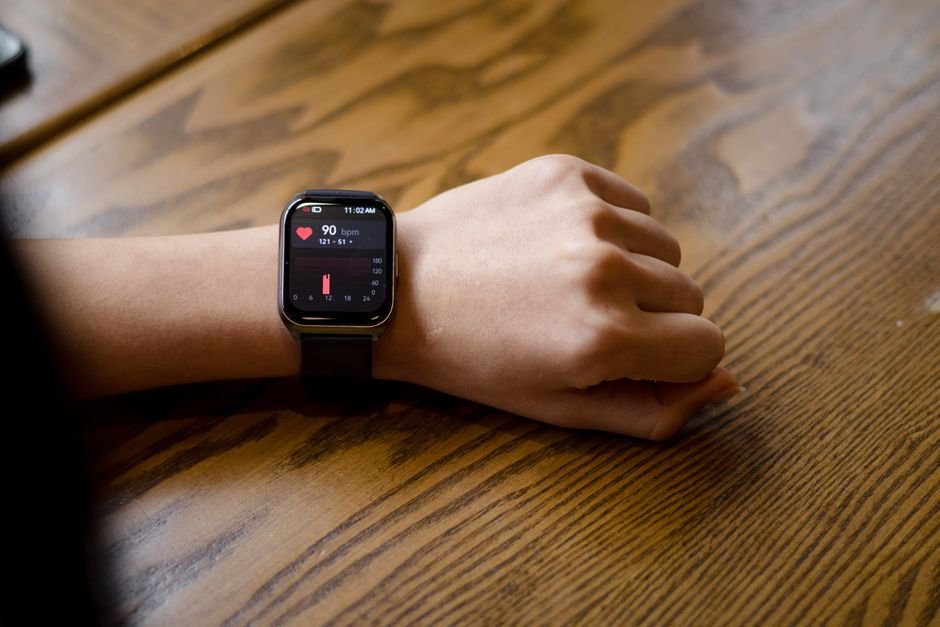
AI Smartwatches: Your Personal Health Companion
The evolution of wearable technology has reached a pivotal point with the integration of Artificial Intelligence (AI) into smartwatches. These devices are no longer mere notification hubs or step counters; they are transforming into sophisticated personal health companions, offering unprecedented insights and proactive support for our well-being. AI’s ability to analyze vast datasets, learn individual patterns, and predict potential issues is unlocking a new era of personalized health management, accessible right from our wrists.
At the core of this revolution lies AI’s capacity for continuous data analysis. Traditional health trackers collect metrics like heart rate, sleep duration, and activity levels. However, AI elevates this by not just collecting but interpreting this data. Machine learning algorithms can identify subtle deviations from an individual’s baseline, anomalies that might otherwise go unnoticed. For instance, an AI-powered smartwatch can detect slight but persistent changes in resting heart rate or heart rate variability (HRV) that could signal impending illness, stress, or even the early stages of cardiovascular issues. This proactive identification allows users to seek medical attention sooner, potentially preventing serious health complications.
Personalized health insights are another significant benefit. AI algorithms learn from an individual’s unique physiological data over time, creating a personalized health profile. This allows the smartwatch to offer tailored recommendations, not generic advice. If the AI notices a consistent pattern of poor sleep quality, it might suggest adjusting bedtime routines or environmental factors rather than simply stating “you need more sleep.” Similarly, for fitness, AI can analyze workout performance, recovery times, and physiological responses to optimize training plans, suggesting when to push harder and when to rest to prevent overtraining and injury. This level of personalization transforms the smartwatch from a passive data collector into an active, intelligent coach.
Advanced physiological monitoring is a key area where AI shines. Beyond basic heart rate, many AI smartwatches now incorporate advanced sensors capable of measuring blood oxygen saturation (SpO2), electrocardiograms (ECG), and even skin temperature. AI algorithms analyze the complex interplay of these metrics. An ECG reading, for example, can be analyzed by AI to detect potential arrhythmias like atrial fibrillation, a condition that can increase the risk of stroke. SpO2 monitoring, particularly during sleep, can identify potential sleep apnea episodes. AI’s role here is crucial in interpreting these complex signals and flagging potential concerns for further medical evaluation.
Stress management and mental well-being are increasingly being addressed by AI smartwatches. By analyzing heart rate, HRV, and even electrodermal activity (EDA) sensors that measure sweat gland activity, AI can infer stress levels. Once a user’s stress patterns are understood, the smartwatch can proactively suggest mindfulness exercises, guided breathing techniques, or even prompt the user to take a break. Some AI models are even being developed to detect early signs of burnout or mood changes, offering timely interventions to support mental health. This proactive approach to stress management is a significant step towards a more holistic view of health.
Fall detection and emergency assistance are critical safety features enhanced by AI. For elderly individuals or those with certain medical conditions, AI algorithms can analyze accelerometer and gyroscope data to detect sudden, unexpected falls. Upon detection, the smartwatch can automatically alert designated emergency contacts or services, providing crucial real-time location information. This AI-powered safety net offers peace of mind to both users and their loved ones.
The predictive capabilities of AI in smartwatches are perhaps the most groundbreaking. By analyzing long-term trends and correlating them with external factors like weather, diet logs (when manually entered), or even calendar events, AI can start to predict future health events. For example, an AI might learn that a user’s sleep quality consistently degrades before a period of high stress, prompting them to prepare accordingly. In the future, AI could even predict the onset of certain illnesses based on subtle physiological changes, allowing for early intervention and potentially improving treatment outcomes.
Integration with healthcare systems is the next frontier for AI smartwatches. As the accuracy and reliability of these devices increase, their data will become increasingly valuable to healthcare professionals. Securely sharing anonymized or user-authorized data with doctors can provide a more comprehensive picture of a patient’s health between appointments. AI can even help physicians by flagging critical trends or potential issues within the collected data, streamlining the diagnostic process and enabling more personalized treatment plans.
Challenges and ethical considerations remain. The accuracy of AI algorithms is paramount, and ensuring robust testing and validation is crucial. Data privacy and security are also significant concerns, as these devices collect highly sensitive personal information. Transparency in how AI algorithms work and how data is used is essential for building user trust. Furthermore, the potential for over-reliance on AI, leading to a neglect of professional medical advice, needs to be addressed. AI smartwatches are powerful tools, but they are not a substitute for qualified medical professionals.
Despite these challenges, the trajectory of AI smartwatches as personal health companions is undeniable. They are empowering individuals to take a more active and informed role in managing their health. From early detection of serious conditions to personalized fitness guidance and stress management, these devices are becoming indispensable tools for a healthier, more proactive lifestyle. As AI technology continues to advance, we can expect even more sophisticated features and deeper integration into our daily lives, making our smartwatches true allies in our pursuit of well-being. The continuous learning capabilities of AI mean that the more you wear your smartwatch, the more it learns about you, and the more personalized and effective its health support becomes. This symbiotic relationship between user and device is the hallmark of the AI-powered health revolution.