
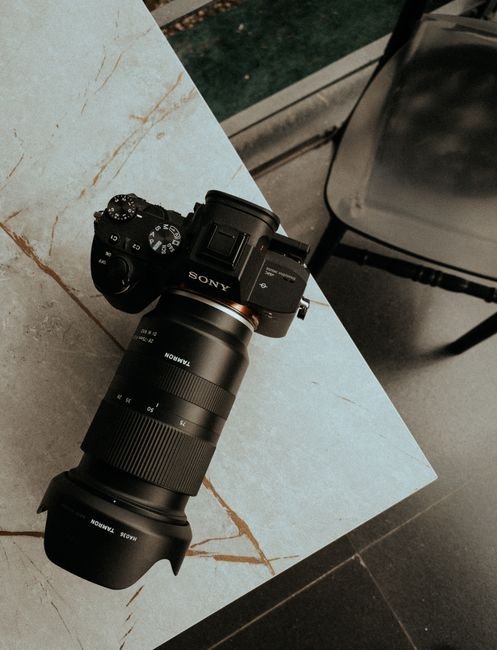
Sony DSLR Camera Prices: Get the Best Bang for Your Buck
Navigating the world of Sony DSLR cameras and their pricing can feel like a complex expedition, especially for those seeking the optimal balance between performance and budget. While Sony has largely transitioned its professional and enthusiast focus to its renowned mirrorless Alpha series, their legacy DSLR models still offer compelling photographic capabilities and can be an excellent avenue for acquiring high-quality imaging technology at a more accessible price point. This guide will delve into the factors influencing Sony DSLR camera prices, explore popular models, and offer strategies to ensure you get the absolute best bang for your buck.
Understanding the Factors Influencing Sony DSLR Prices:
Several key elements dictate the cost of a Sony DSLR camera, whether new or used. Understanding these will empower you to make informed purchasing decisions.
- Sensor Size and Resolution: Generally, cameras with larger sensors (like Full-Frame) and higher megapixel counts command higher prices due to the increased complexity of manufacturing and the superior image quality they can produce, particularly in low light and for large prints. APS-C sensors, found in most Sony DSLRs, offer a fantastic balance of performance and affordability.
- Autofocus System: Advanced autofocus systems, featuring more focus points, faster tracking capabilities, and better low-light performance, contribute to a higher camera price. Features like phase-detection autofocus (PDAF) are crucial for capturing fast-moving subjects.
- Video Capabilities: While DSLRs are primarily stills cameras, their video features have evolved. Higher resolutions (4K), higher frame rates, and advanced video codecs will increase the price. If video is a secondary concern, you can often find excellent stills-focused DSLRs at a lower cost.
- Build Quality and Durability: Professional-grade DSLRs often feature weather-sealed bodies, magnesium alloy construction, and more robust shutter mechanisms, all of which add to their manufacturing cost and, consequently, their price. Entry-level models may have more plastic construction.
- In-Body Image Stabilization (IBIS): While more common in mirrorless cameras, some higher-end Sony DSLRs might feature sensor-shift image stabilization, which helps reduce camera shake and allows for sharper images at slower shutter speeds. This is a premium feature.
- Lens Mount and System Maturity: Sony’s A-mount (used by their DSLRs) has a mature lens ecosystem. While not as extensive or actively developed as their E-mount for mirrorless, there are still many excellent and often more affordable A-mount lenses available, impacting the overall cost of ownership.
- New vs. Used Market: The used market is where significant savings can be found on Sony DSLRs. Prices depreciate over time, especially as newer models are released. Condition, shutter count, and included accessories heavily influence used pricing.
- Bundles and Kits: Cameras are often sold in “kit” configurations with a basic lens (e.g., an 18-55mm zoom). These kits are typically more affordable than purchasing the body and lens separately, making them an attractive option for beginners.
Exploring Popular Sony DSLR Models and Their Price Ranges:
While Sony’s DSLR lineup has been largely superseded by their mirrorless offerings, several models remain excellent choices for budget-conscious photographers. It’s important to note that prices can fluctuate based on retailer, promotions, and whether you’re buying new or used. The following are general price indicators.
1. Sony Alpha A58:
- Target Audience: Entry-level photographers, hobbyists.
- Key Features: 20.1MP APS-C sensor, Translucent Mirror Technology (enabling continuous autofocus during stills and video), OLED electronic viewfinder (EVF), Full HD video.
- Price Range (New – if still available): Historically around $400-$600 with a kit lens.
- Price Range (Used): Can often be found for $150-$300 with a kit lens in good condition.
- Bang for Your Buck: The A58 offers a surprisingly capable sensor and a unique translucent mirror system that provides a mirrorless-like shooting experience in a DSLR form factor. It’s an excellent starting point for those new to interchangeable lens cameras.
2. Sony Alpha A65 / A77 (Previous Generation Enthusiast DSLRs):
- Target Audience: Enthusiast photographers, aspiring semi-professionals.
- Key Features: Higher resolution APS-C sensors (around 24MP), advanced autofocus systems, faster burst shooting speeds, improved build quality, and more comprehensive controls. The A77, in particular, was a flagship APS-C DSLR for its time.
- Price Range (New – highly unlikely): When new, these were in the $800-$1500 range with kit lenses.
- Price Range (Used): The A65 might be found for $250-$400 with a kit lens. The A77, being a more advanced model, could range from $400-$600+ depending on condition and accessories.
- Bang for Your Buck: These models represent a significant step up in performance. If you can find them in good used condition, they offer professional-level features at a fraction of their original cost, excelling in speed and image quality for demanding situations.
3. Sony Alpha A99 / A99 II (Full-Frame DSLRs – Rare Gems):
- Target Audience: Serious enthusiasts, professionals seeking full-frame DSLR quality at a potentially lower cost than newer mirrorless options.
- Key Features: Full-frame 24MP (A99) or 42MP (A99 II) sensors, advanced autofocus, superior low-light performance, robust build, and excellent video capabilities for DSLRs. The A99 II was the pinnacle of Sony’s full-frame DSLR development.
- Price Range (New – highly unlikely): These were premium cameras, costing $2500-$3500+ when new.
- Price Range (Used): The A99 can be found for $800-$1200+ in good condition. The A99 II, being more recent and higher resolution, will command a higher price, potentially $1500-$2500+.
- Bang for Your Buck: For photographers who prefer the DSLR handling and a mature full-frame lens system, the A99 series offers incredible value on the used market. The A99 II, with its 42MP sensor, is still a powerhouse for landscape, portraiture, and even some action photography.
Strategies for Getting the Best Bang for Your Buck:
Maximizing your investment in a Sony DSLR requires a strategic approach, especially in today’s market where mirrorless technology is dominant.
- Embrace the Used Market: This is paramount for Sony DSLRs. Reputable online retailers like KEH Camera, MPB, B&H Photo Video (used section), and Adorama (used section) offer inspected and graded used equipment with warranties. eBay can also be a source, but exercise caution and check seller ratings meticulously.
- Focus on Your Needs, Not Just Specs: Before browsing, define what you want to photograph. Are you primarily shooting landscapes, portraits, sports, or general family snaps? This will help you prioritize features and avoid overspending on capabilities you won’t utilize.
- Consider Older, Well-Regarded Models: As seen with the A65/A77 and A99 series, older high-end models can offer exceptional performance that still rivals or surpasses many current entry-level cameras.
- Buy in Bundles (Kits): If you’re new to photography, a kit lens bundle is almost always the most cost-effective way to start. You can always upgrade your lens later as your skills and needs evolve.
- Be Patient and Shop Around: Prices can vary significantly between retailers and over time. Set up price alerts if possible and be willing to wait for a good deal.
- Factor in Lens Costs: The camera body is only part of the equation. Consider the cost of lenses you might need. Sony’s A-mount has a good selection of both new and used lenses, often at more attractive prices than their E-mount counterparts. Look for versatile zoom lenses or high-quality prime lenses that fit your shooting style.
- Understand Shutter Count (for Used Bodies): For used DSLRs, the shutter count indicates how many times the shutter has been actuated. Most camera shutters are rated for a certain number of actuations (e.g., 100,000 or more). A lower shutter count generally means the camera has less wear and tear.
- Check for Included Accessories: When buying used, factor in what accessories are included. A camera with extra batteries, chargers, straps, and memory cards can add significant value.
- Don’t Discount Entry-Level for Specific Needs: For casual photographers, a model like the A58, even if older, can provide excellent image quality for everyday use, travel, and learning the basics of photography, all at an incredibly low price.
By understanding the value proposition of Sony’s DSLR heritage and employing smart purchasing strategies, you can acquire a high-quality camera system that delivers exceptional results without breaking the bank. The used market, in particular, offers a treasure trove of photographic power waiting to be discovered.