
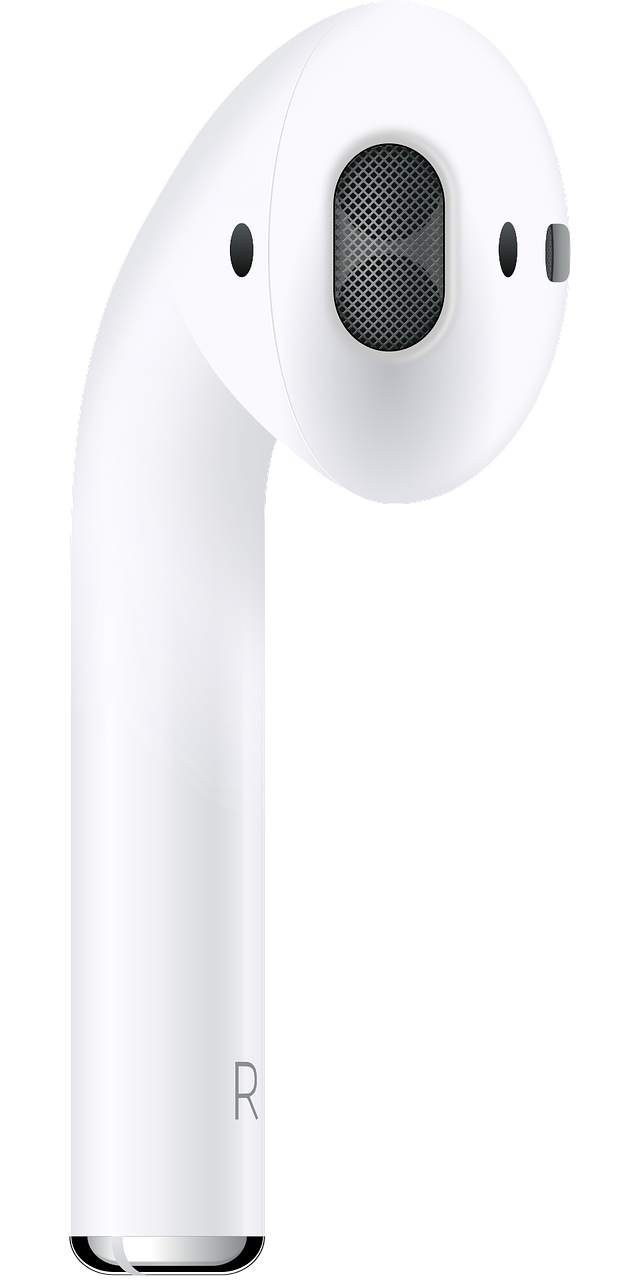
Apple AirPods (1st Gen): A Deep Dive into Classic Wireless Audio
The landscape of personal audio was irrevocably altered with the arrival of the first-generation Apple AirPods in late 2016. These seemingly simple white earbuds, with their distinctive stem design, represented a bold leap into the mainstream of truly wireless audio, ushering in an era where the tether of headphone jacks became a relic of the past for many. More than just a product, AirPods became a cultural phenomenon, instantly recognizable and synonymous with seamless Apple integration. This deep dive explores the genesis, design, technology, user experience, and lasting impact of these iconic earbuds.
Design and Ergonomics: Simplicity Meets Functionality
Apple’s design philosophy of minimalist elegance was front and center with the AirPods. Eschewing traditional silicone ear tips, they adopted a universal, in-ear design reminiscent of the wired EarPods. This choice was a calculated risk; while offering comfort for a broad range of users, it meant the seal and bass response were inherently less customizable than earbuds with multiple tip sizes. The smooth, white plastic construction felt premium and lightweight, contributing to a comfortable fit for extended listening sessions. The iconic stem, initially a point of contention for some, served a crucial purpose: housing the antennas, microphones, and other essential components while also providing a tactile point for interaction.
The charging case, equally minimalist, was a masterclass in compact engineering. Crafted from the same smooth plastic, it featured a lid that snapped shut with a satisfying magnetic click. This case wasn’t just for storage; it provided multiple full charges for the AirPods, extending their battery life significantly. The LED indicator on the front, a subtle yet informative touch, conveyed charging status and pairing information. The overall aesthetic was one of understated sophistication, fitting seamlessly into Apple’s existing product ecosystem.
Under the Hood: The W1 Chip and Seamless Connectivity
The true magic of the first-generation AirPods lay not just in their design, but in the revolutionary Apple W1 chip. This custom-designed chip was the linchpin of the AirPods’ success, enabling a level of wireless performance and integration previously unseen in consumer earbuds. The W1 chip’s primary function was to optimize Bluetooth connectivity, ensuring a stable and efficient wireless link.
This translated into an almost instantaneous pairing experience. For iPhone users, simply opening the AirPods case near their unlocked device would trigger a pop-up notification, allowing for a one-tap connection. This “magic” of automatic pairing and seamless switching between Apple devices (iPhone, iPad, Apple Watch, Mac) was a game-changer. Users could effortlessly transition from listening to music on their iPhone to taking a call on their Apple Watch without any manual re-pairing. This frictionless experience was a significant differentiator, setting AirPods apart from the often cumbersome pairing processes of competing Bluetooth headphones.
The W1 chip also contributed to improved battery efficiency. By intelligently managing power consumption, it allowed for an impressive five hours of listening time on a single charge, with the charging case providing an additional 24 hours of power. This was a substantial improvement over many contemporary wireless earbuds, alleviating range anxiety for many users.
Audio Quality: A Balanced and Accessible Sound Profile
While not audiophile-grade in their initial offering, the first-generation AirPods delivered a surprisingly balanced and enjoyable audio experience for the average listener. Apple opted for a sound profile that was generally pleasing across a wide range of music genres. The bass was present but not overpowering, the mids were clear and articulate, and the treble was crisp without being sibilant. This meant that vocals, podcasts, and most popular music genres sounded good.
The open-ear design, while contributing to comfort and situational awareness, did have implications for audio fidelity. The lack of a strong seal meant that passive noise isolation was minimal. This made them ideal for listening in environments where awareness of surroundings was important, such as commuting or walking outdoors. However, in noisy environments, the audio could be easily drowned out, and the bass response would suffer. For those seeking a more immersive listening experience or superior noise cancellation, other options were available.
User Experience and Interaction: Simplicity in Control
The first-generation AirPods embraced Apple’s philosophy of intuitive interaction. The absence of physical buttons was a deliberate design choice, relying instead on a combination of motion sensors and capacitive touch surfaces on each earbud.
Double-tapping either AirPod could be configured to perform various actions, such as playing/pausing music, skipping tracks, or activating Siri. This gesture-based control, while simple, was generally responsive and reliable. The built-in accelerometers and optical sensors also played a crucial role, detecting when the AirPods were inserted into the ears and automatically playing or pausing audio accordingly. Removing an AirPod would pause playback, and reinserting it would resume it, a feature that was both convenient and battery-saving.
The integration with Siri was another key aspect of the user experience. Users could simply say “Hey Siri” (on compatible devices) to control music playback, make calls, send messages, get directions, or ask questions, all without needing to reach for their phone. This hands-free control further enhanced the convenience and seamlessness of the AirPods.
Impact and Legacy: Redefining Wireless Audio
The first-generation Apple AirPods were more than just a successful product; they were a paradigm shift. They democratized truly wireless audio, making it accessible, convenient, and desirable for a mass market. Their iconic design became instantly recognizable, and their seamless integration with the Apple ecosystem set a new standard for user experience.
Before AirPods, truly wireless earbuds were often niche products, plagued by connectivity issues, poor battery life, and complex pairing. Apple, with its W1 chip and meticulous design, addressed these pain points and presented a polished, user-friendly solution. This paved the way for the explosion of the true wireless earbud market, with countless competitors following suit, attempting to replicate the AirPods’ success.
While later generations of AirPods have introduced advancements like active noise cancellation, spatial audio, and improved sound quality, the first generation laid the crucial groundwork. They proved that wireless audio could be both functional and fashionable, and that simplicity and seamless integration were paramount for mainstream adoption. The first-generation AirPods remain a testament to Apple’s ability to innovate and create products that not only perform well but also fundamentally change how we interact with technology. They are a classic for a reason, a foundational piece in the modern audio landscape.