
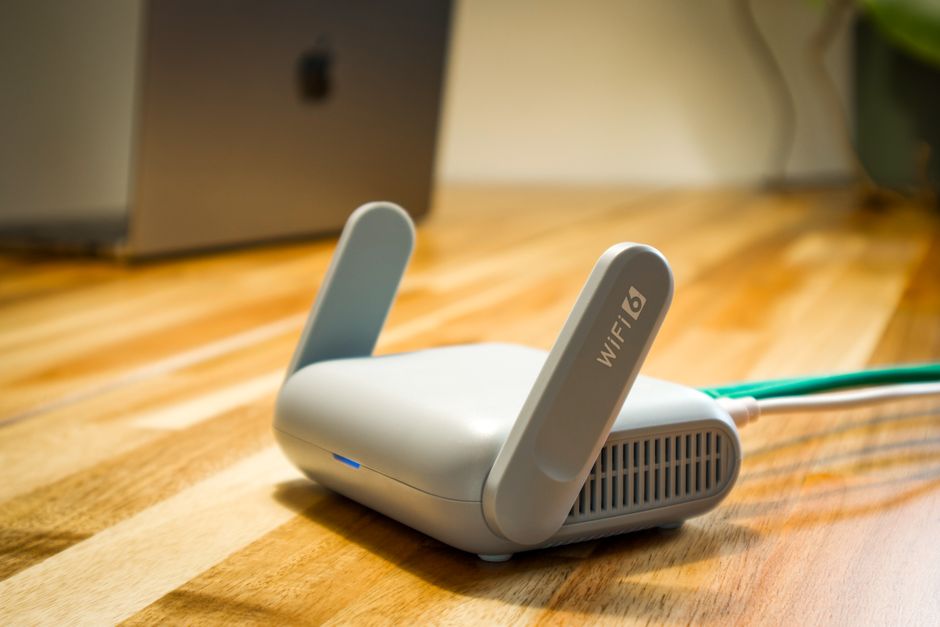
Wi-Fi 7 Routers: Unlocking Your Home Network’s True Potential
The relentless march of technology demands more from our home networks. From immersive gaming and 8K streaming to the ever-increasing proliferation of smart home devices, our current Wi-Fi infrastructure often struggles to keep pace, leading to frustrating slowdowns and dropped connections. Enter Wi-Fi 7 (802.11be), the next-generation wireless standard poised to shatter these bottlenecks and usher in an era of unparalleled home networking performance. This isn’t just an incremental upgrade; Wi-Fi 7 represents a fundamental leap forward, promising speeds, capacity, and latency improvements that will redefine how we interact with our digital lives.
At the heart of Wi-Fi 7’s transformative power lies its ability to leverage wider channels. While Wi-Fi 6/6E maxed out at 160 MHz channels, Wi-Fi 7 introduces the groundbreaking capability of 320 MHz channels in the 6 GHz band. Imagine a highway with twice as many lanes – this translates directly into a doubling of potential throughput. This massive increase in bandwidth is crucial for handling the data-hungry applications that are becoming commonplace. For gamers, this means ultra-low latency, eliminating the lag that can cost you crucial victories. For streamers, it unlocks seamless 8K video playback without buffering, even with multiple devices consuming bandwidth simultaneously.
Beyond wider channels, Wi-Fi 7 introduces 4096-QAM (Quadrature Amplitude Modulation). This sophisticated modulation scheme packs more data into each transmission signal compared to the 1024-QAM used in Wi-Fi 6. Think of it as a more efficient packing method for data, allowing more information to be sent in the same amount of time. The result is a significant boost in raw data rates, pushing theoretical speeds to unprecedented levels. While real-world speeds will always be influenced by factors like distance and interference, the theoretical gains offered by 4096-QAM are substantial, providing a robust foundation for future network demands.
A key innovation in Wi-Fi 7 is Multi-Link Operation (MLO). This feature allows devices to connect to the router simultaneously across multiple frequency bands (2.4 GHz, 5 GHz, and 6 GHz). Instead of a device being locked to a single band, MLO enables intelligent aggregation and switching. This means a device can utilize the fastest and least congested band for a specific task, or even combine bandwidth from multiple bands for a single connection, dramatically improving both speed and reliability. If one band experiences interference, the connection can seamlessly transition to another, ensuring a stable and uninterrupted experience. This dynamic multi-band utilization is a game-changer for mitigating network congestion and improving overall performance.
The increased capacity of Wi-Fi 7 is not just about raw speed; it’s about serving more devices simultaneously without degradation. With the explosion of smart home devices – thermostats, security cameras, smart speakers, and more – our routers are often overwhelmed. Wi-Fi 7’s enhanced OFDMA (Orthogonal Frequency Division Multiple Access) capabilities, building upon the foundation of Wi-Fi 6, further optimize how data is transmitted to multiple devices. OFDMA divides channels into smaller subcarriers, allowing the router to communicate with multiple devices concurrently within the same transmission. Wi-Fi 7 refines this, enabling even more efficient scheduling and allocation of these subcarriers, ensuring that every connected device receives its fair share of bandwidth without impacting others.
For those looking to future-proof their home networks, investing in a Wi-Fi 7 router is a strategic decision. The 10 Gigabit Ethernet ports commonly found on high-end Wi-Fi 7 routers are essential for realizing the full potential of the standard. While Wi-Fi 7 offers blazing-fast wireless speeds, a bottleneck can easily occur at the wired connection to your modem or other high-speed network devices. These multi-gigabit ports ensure that your internet service provider’s speed is not limited by your router’s wired backhaul, allowing for the fastest possible internet access throughout your home.
The implementation of Wi-Fi 7 also brings enhanced beamforming capabilities. Beamforming is a technology that directs Wi-Fi signals directly towards connected devices, rather than broadcasting them omnidirectionally. Wi-Fi 7 refines this by allowing for more precise and dynamic beamforming, further improving signal strength, range, and reducing interference. This means a stronger and more stable connection, even in corners of your home where Wi-Fi signals traditionally struggle.
When considering a Wi-Fi 7 router, several key features warrant attention. Mesh networking compatibility is paramount for larger homes. A Wi-Fi 7 mesh system will extend the benefits of this new standard to every corner of your property, eliminating dead zones and ensuring consistent high performance. Look for routers that support the latest Wi-Fi 7 mesh protocols for seamless roaming and optimal performance.
The number of antennas and their configuration also plays a role in performance. While Wi-Fi 7 itself dictates the underlying technology, a router with a robust antenna design can better capitalize on these advancements. More antennas and advanced MIMO (Multiple-Input Multiple-Output) configurations can further enhance data throughput and signal stability.
Security features remain a critical consideration. Wi-Fi 7 routers will continue to support the latest WPA3 security protocols, offering robust encryption and protection against unauthorized access. Look for routers that also offer additional security features like built-in firewalls and parental controls for comprehensive network protection.
The transition to Wi-Fi 7 will be gradual. While the standard is here, the widespread adoption of Wi-Fi 7-compatible devices will take time. However, investing in a Wi-Fi 7 router now ensures that your home network is ready for the future, capable of handling the demands of tomorrow’s technologies. It’s an investment in a smoother, faster, and more reliable digital experience, eliminating the frustrating bottlenecks that have plagued home networks for years. By embracing Wi-Fi 7, you’re not just upgrading your router; you’re unlocking the true potential of your connected home.