
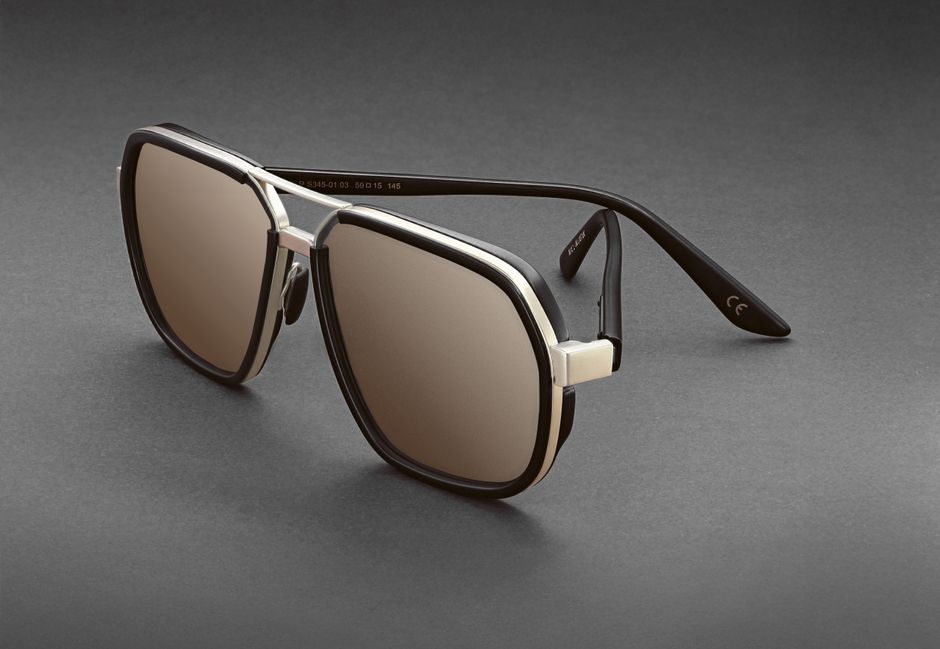
Shielding Your Sight: The Enduring Advantages of UV Sunglasses
The allure of a sunny day is undeniable, inviting us outdoors to bask in its warmth and light. Yet, this very radiance carries a hidden threat: ultraviolet (UV) radiation. While the immediate discomfort of glare is easily remedied by slipping on a pair of sunglasses, the true value of this simple accessory lies in its profound long-term benefits for ocular health. Wearing UV-protective sunglasses is not merely a fashion statement or a transient comfort; it’s a vital investment in the enduring clarity and well-being of your vision.
The sun emits a spectrum of light, including invisible UV rays that can penetrate the delicate structures of the eye. These rays are categorized into UVA and UVB, both contributing to cumulative damage over time. UVA rays, with their longer wavelength, penetrate deeper into the eye, reaching the lens and retina. UVB rays, shorter and more potent, are primarily absorbed by the cornea and lens. Without adequate protection, this constant bombardment can lead to a cascade of detrimental effects, subtly eroding vision and increasing the risk of serious eye conditions.
One of the most significant long-term benefits of wearing UV sunglasses is the prevention of cataracts. Cataracts, a clouding of the eye’s natural lens, are a leading cause of vision loss worldwide, particularly in older adults. Research has consistently demonstrated a strong correlation between prolonged and unprotected exposure to UV radiation and the accelerated development of cataracts. UV rays can damage the proteins within the lens, causing them to clump together and impair light transmission. By blocking up to 99-100% of both UVA and UVB rays, high-quality sunglasses act as a crucial shield, significantly reducing the cumulative oxidative stress on the lens and delaying or even preventing cataract formation. This means maintaining clearer vision for longer, enjoying vibrant colors, and preserving the ability to read, drive, and engage in everyday activities without the visual impairment that cataracts inevitably bring.
Beyond cataracts, UV exposure is a major contributor to macular degeneration, a progressive condition that affects the central part of the retina responsible for sharp, detailed vision. The macula is particularly susceptible to damage from blue light, a component of the solar spectrum that often accompanies UV radiation. While not all sunglasses block blue light, those specifically designed with UV protection also offer a degree of defense against the damaging effects of this light. By filtering out harmful UV wavelengths, sunglasses help to protect the delicate photoreceptor cells in the macula from phototoxicity, thereby reducing the risk of developing age-related macular degeneration (AMD) or slowing its progression if it has already begun. Preserving macular health is paramount for maintaining the ability to recognize faces, read fine print, and appreciate the nuances of the visual world.
The cornea, the transparent outer layer of the eye, is also vulnerable to UV damage. While the cornea has some natural protective mechanisms, prolonged exposure can lead to photokeratitis, commonly known as snow blindness or arc eye. This condition, characterized by pain, redness, and temporary vision loss, is an acute response to excessive UV exposure. However, repeated episodes or chronic low-level exposure can contribute to long-term damage, including the development of pterygium, a fleshy growth that can extend from the conjunctiva (the membrane covering the white of the eye) onto the cornea. Pterygium can cause discomfort, irritation, and astigmatism, distorting vision. Wearing UV sunglasses acts as a preventative measure, shielding the cornea from this harmful radiation and safeguarding its clarity and structural integrity.
Furthermore, the skin surrounding the eyes, which is thinner and more delicate than facial skin, is also susceptible to sun damage. This can lead to premature aging, including wrinkles and crow’s feet, and more importantly, increase the risk of skin cancers, such as basal cell carcinoma and squamous cell carcinoma, which can occur on the eyelids and around the eyes. Sunglasses with wraparound designs and broad-spectrum UV protection offer a dual benefit: they protect the sensitive eye tissues from UV rays and shield the surrounding skin from sun damage, contributing to both ocular and dermatological health.
The benefits extend to preserving visual comfort and reducing eye strain. In bright sunlight, the pupils constrict to limit the amount of light entering the eye. This constant constriction can lead to eye fatigue, headaches, and discomfort, especially during prolonged outdoor activities. UV sunglasses, by reducing glare and improving contrast, allow the pupils to dilate more naturally, reducing the effort required for the eyes to adjust to varying light conditions. This leads to a more relaxed visual experience, minimizing eye strain and enhancing overall visual comfort, which can have a positive impact on productivity and enjoyment of outdoor pursuits.
Moreover, for individuals engaged in water sports, snow activities, or driving, the reduction in glare provided by UV sunglasses is not just about comfort; it’s about enhanced safety. Glare can obscure hazards on the road, create blinding reflections on water, and reduce visibility in snowy environments. By minimizing glare, UV sunglasses improve visual acuity and reaction times, significantly reducing the risk of accidents and injuries. This heightened awareness and improved visual performance are critical for safe participation in a wide range of activities.
The choice of UV sunglasses is crucial. Not all sunglasses offer adequate protection. Look for labels that explicitly state “100% UV protection” or “UV 400 protection,” which signifies that the lenses block wavelengths up to 400 nanometers, encompassing all harmful UVA and UVB rays. Lens color, while affecting perception of color and contrast, does not inherently determine UV protection. Darker lenses may offer greater comfort by reducing visible light but do not necessarily provide superior UV filtering. Investing in reputable brands and seeking lenses with certified UV protection is paramount to reaping these long-term benefits.
The cumulative nature of UV damage means that the earlier one begins to protect their eyes, the greater the long-term advantages. Childhood and adolescence are critical periods for establishing healthy habits, and instilling the practice of wearing UV sunglasses from a young age can lay the foundation for a lifetime of healthy vision. The subtle damage inflicted by UV radiation can go unnoticed for years, only manifesting as serious eye conditions in later life. Therefore, consistent and vigilant protection is key.
In conclusion, the act of wearing UV sunglasses transcends mere aesthetic appeal or immediate relief from glare. It represents a proactive and enduring commitment to safeguarding the health and functionality of our eyes. From preventing the insidious development of cataracts and macular degeneration to protecting the delicate cornea and surrounding skin, the long-term benefits are profound and far-reaching. By making UV-protective sunglasses an indispensable part of our daily lives, we invest in a future of clearer vision, enhanced comfort, and a reduced risk of debilitating eye conditions, ensuring that we can continue to experience the world in all its visual splendor for years to come.