
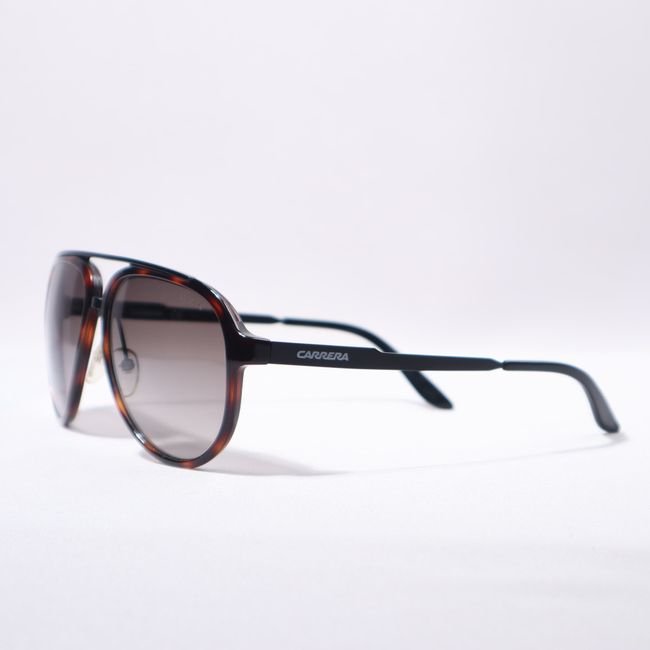
Summer Ready: The Best UV Protection Sunglasses You Need
As the sun climbs higher and its golden rays beckon us outdoors, the importance of protecting our eyes from harmful ultraviolet (UV) radiation cannot be overstated. While sunglasses are a stylish summer accessory, their primary function is crucial for long-term eye health. Exposure to UV rays, particularly UVA and UVB, can lead to a range of serious eye conditions, from cataracts and macular degeneration to photokeratitis, commonly known as sunburn of the eye. Investing in high-quality UV protection sunglasses is not just about comfort; it’s a vital preventative measure for preserving your vision.
The market is flooded with eyewear, making the selection process daunting. However, not all sunglasses offer adequate UV protection. The key lies in understanding what to look for. The most important label to seek is “100% UV protection” or “UV 400.” This certification guarantees that the lenses block all UVA and UVB rays up to 400 nanometers. Anything less, even if the lenses are dark, offers insufficient protection. Darker lenses alone do not equate to better UV blocking. In fact, very dark, non-UV protective lenses can be more damaging, as they cause the pupils to dilate, allowing even more harmful UV light to enter the eye.
When choosing your summer-ready shades, consider the lens material. Polycarbonate lenses are a popular choice for their durability and impact resistance, making them ideal for active lifestyles and children. They also offer inherent UV protection. Trivex lenses are another excellent option, providing superior impact resistance, lightness, and optical clarity, along with built-in UV blocking. For those prioritizing optical clarity and scratch resistance, glass lenses are an option, but they are heavier and more prone to shattering. Prescription sunglass wearers can opt for UV protective coatings applied to their prescription lenses, ensuring both vision correction and eye safety.
Lens color plays a role in visual comfort and perception, but it does not directly affect UV protection levels. Different colors can enhance contrast and reduce glare in specific conditions. Gray lenses offer true color perception, making them versatile for everyday wear. Brown and amber lenses enhance contrast and are beneficial for driving and variable light conditions. Green lenses offer good contrast and color accuracy, while yellow lenses significantly improve contrast in low-light situations, making them suitable for sports like skiing or cycling on overcast days.
Beyond UV protection and lens material, consider the frame style and fit. Wraparound styles are highly recommended as they provide maximum coverage, preventing UV rays from entering from the sides, top, and bottom. This is particularly important during prolonged outdoor exposure. For those with sensitive eyes or conditions like glaucoma, full-coverage frames are essential. Ensure the sunglasses fit comfortably and securely on your face. They should not slip down your nose or pinch your temples. A good fit minimizes the need to squint, further reducing eye strain.
For those who wear prescription glasses, there are several excellent UV protective sunglass options. Prescription sunglasses are custom-made to your prescription and incorporate 100% UV protection. Alternatively, clip-on sunglasses or over-prescription sunglasses offer a more budget-friendly solution. Clip-ons attach directly to your existing eyeglasses, while over-prescription sunglasses are designed to fit comfortably over your regular glasses. Photochromic lenses, also known as transition lenses, are another innovative option. These lenses darken automatically in sunlight, providing UV protection when needed, and become clear indoors, offering a convenient all-in-one solution.
When shopping for sunglasses, look for reputable brands known for their commitment to eye health. Brands like Oakley, Ray-Ban, Maui Jim, and Smith Optics consistently offer high-quality eyewear with excellent UV protection. Don’t be swayed by cheap, unbranded sunglasses, as they often lack the necessary protective certifications. A small investment in quality sunglasses can save you from significant eye health problems down the line.
Key Features to Look for in UV Protection Sunglasses:
- “100% UV Protection” or “UV 400” Label: This is the non-negotiable standard for effective UV blocking.
- Lens Material: Polycarbonate and Trivex offer durability and inherent UV protection.
- Frame Style: Wraparound or full-coverage frames provide superior protection from peripheral light.
- Lens Color: While not affecting UV protection, different colors enhance visual comfort and contrast in various conditions.
- Fit and Comfort: Sunglasses should fit securely and comfortably to prevent slippage and minimize squinting.
- Reputable Brands: Choose brands known for their quality and commitment to eye health.
The sun’s rays are a constant presence, and protecting your eyes should be a year-round priority. However, during the summer months, when the sun is at its strongest and we spend more time outdoors, the need for robust UV protection becomes paramount. By understanding the essential features of UV protective sunglasses and making informed choices, you can ensure your eyes are shielded from damage, allowing you to enjoy the summer season with clear, healthy vision. Investing in the right pair of sunglasses is an investment in your long-term eye health and overall well-being.