
Find the Ideal Electric Kettle for Your Cold Coffee Routine
The days of solely associating electric kettles with a quick cuppa tea are long gone. For the discerning cold coffee enthusiast, the electric kettle has become an indispensable tool, transcending its traditional role to become a cornerstone of a sophisticated brewing ritual. While seemingly counterintuitive, a high-quality electric kettle is paramount for achieving the perfect cold coffee, especially for those who employ methods like Japanese iced coffee or bloom-and-brew techniques. This guide delves into the essential features and considerations for selecting the ideal electric kettle to elevate your cold coffee experience.
Beyond Boiling: The Nuances of Kettle Functionality for Cold Coffee
The true magic of an electric kettle for cold coffee lies not in its ability to reach a rolling boil, but in its precise temperature control. Unlike traditional stovetop kettles, which offer a binary on/off functionality, modern electric kettles provide granular control over water temperature. This is crucial for cold coffee brewing, where specific temperatures can unlock subtle flavor profiles and prevent the bitterness that can arise from over-extraction, even with cold water.
For methods like the bloom, where a small amount of hot water is used to saturate the coffee grounds before the main brewing process, precise temperature is key. Too hot, and you risk scalding the delicate aromatics; too cool, and the bloom will be insufficient, leading to an underdeveloped flavor. Similarly, for Japanese iced coffee, where hot water is brewed directly over ice, controlling the water temperature ensures a balanced extraction that melts the ice gradually, resulting in a smooth, rich cold brew.
Key Features to Prioritize for Cold Coffee Connoisseurs:
1. Variable Temperature Control: This is non-negotiable. Look for kettles offering a range of temperature settings, ideally with increments of 1°C or 5°F. Many high-end models allow you to set specific temperatures between 40°C (104°F) and 100°C (212°F). For cold coffee, temperatures between 80°C (176°F) and 95°C (203°F) are often recommended for the bloom and initial extraction. The ability to fine-tune these temperatures is what separates a good cold coffee from a great one.
2. Keep Warm Functionality: This feature is a game-changer for busy mornings or when you’re meticulously timing your brew. A keep warm function allows the kettle to maintain your chosen temperature for an extended period (often 30 minutes to an hour). This means your perfectly heated water is ready when you are, eliminating the need to reboil and potentially alter the temperature. This is particularly useful if you’re brewing multiple cups or engaging in a more complex brewing process.
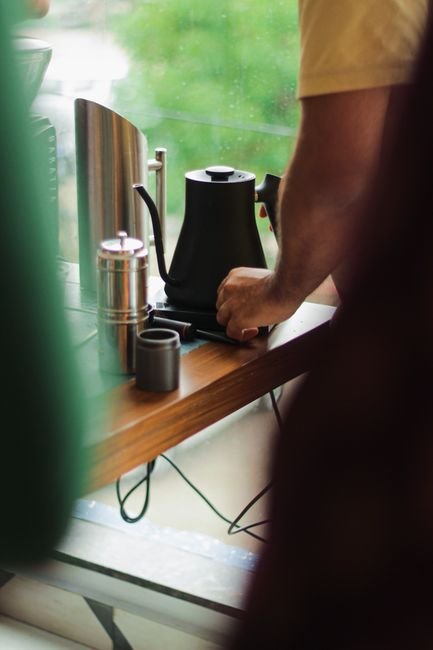
3. Gooseneck Spout: While often associated with pour-over coffee, a gooseneck spout is surprisingly beneficial for cold coffee. Its narrow, controlled pour allows for precise saturation of coffee grounds during the bloom phase, ensuring even extraction. It also offers greater control when adding hot water to your ice bed in Japanese iced coffee, preventing splashing and ensuring a consistent flow. This precision translates to a more refined and predictable brewing outcome.
4. Capacity: Consider your typical cold coffee consumption. Kettles range from compact 0.5-liter models to larger 1.7-liter options. For single servings or occasional brewing, a smaller capacity might suffice. However, if you regularly brew for two or more, or enjoy larger batches of cold brew concentrate, a larger capacity will be more practical, saving you multiple heating cycles.
5. Material and Build Quality: The materials used in kettle construction can impact both durability and the taste of your water. Stainless steel is a popular choice for its durability, ease of cleaning, and inertness, meaning it won’t impart any metallic flavors. Some kettles also feature BPA-free plastics, which are generally safe but may not offer the same longevity as stainless steel. Look for sturdy bases, comfortable handles, and well-sealed lids for a premium feel and consistent performance.
6. Ease of Cleaning: A clean kettle is essential for optimal taste. Look for models with wide openings that allow for easy access for cleaning brushes or cloths. Removable filters and smooth interior surfaces also contribute to hassle-free maintenance. Regular descaling will prevent mineral buildup, which can affect both the kettle’s performance and the purity of your water.
7. Aesthetics and Ergonomics: While functionality is paramount, the visual appeal and user experience shouldn’t be overlooked. Many modern electric kettles are designed with sleek aesthetics that complement kitchen countertops. Consider the weight of the kettle when full, the comfort of the handle, and the clarity of the water level indicator. A well-designed kettle enhances the overall enjoyment of your brewing ritual.
Popular Electric Kettle Types and Their Suitability for Cold Coffee:
-
Variable Temperature Electric Kettles: These are the champions for cold coffee. Their precise temperature control, often with digital displays and preset options, makes them ideal for specific brewing needs. Brands like Breville, Cuisinart, and Fellow offer excellent models with a range of features.
-
Stovetop Kettles (with caveats): While traditional stovetop kettles lack precise temperature control, some experienced brewers use them with a thermometer to achieve desired water temperatures. This method requires more attention and is less convenient than a variable temperature electric kettle. If you already own a stovetop kettle, you can experiment with a separate thermometer, but for dedicated cold coffee brewing, an electric option is superior.
-
Basic Electric Kettles (with limitations): These kettles typically only boil water. While they can be used for the bloom if you allow the water to cool slightly, they lack the precision needed for optimal results in more nuanced cold coffee brewing techniques.
The Cold Coffee Brewing Process and Your Kettle’s Role:
1. The Bloom: For many cold coffee methods, the initial bloom is critical. This involves pouring a small amount of hot water (typically 80-95°C or 176-203°F, depending on the coffee) over the grounds to allow them to degas. Your variable temperature electric kettle ensures you hit the sweet spot, unlocking volatile aromatics and preparing the grounds for even extraction.
2. Japanese Iced Coffee: This method involves brewing hot coffee directly over ice. The ideal water temperature (often around 90-96°C or 194-205°F) is crucial for extracting the coffee’s flavors as it melts the ice. The gooseneck spout on your kettle allows for a controlled pour, ensuring the hot water interacts optimally with the coffee grounds and ice.
3. Cold Brew Concentrate: While traditional cold brew involves steeping grounds in cold water for extended periods, some enthusiasts experiment with a hybrid approach, using a small amount of hot water to initiate the extraction before adding cold water. Again, precise temperature control from your electric kettle can influence the flavor profile.
Investing in Your Cold Coffee Experience:
Choosing the right electric kettle for your cold coffee routine is an investment in better flavor, greater control, and a more enjoyable brewing experience. By prioritizing variable temperature control, a gooseneck spout, and quality build, you’ll be well on your way to crafting consistently delicious cold coffee that rivals your favorite cafe’s offerings. Don’t underestimate the power of precise water temperature; it’s the secret ingredient that elevates your cold coffee from ordinary to extraordinary. Explore the options, consider your brewing habits, and find the electric kettle that will become your trusted companion in the pursuit of perfect cold coffee.