
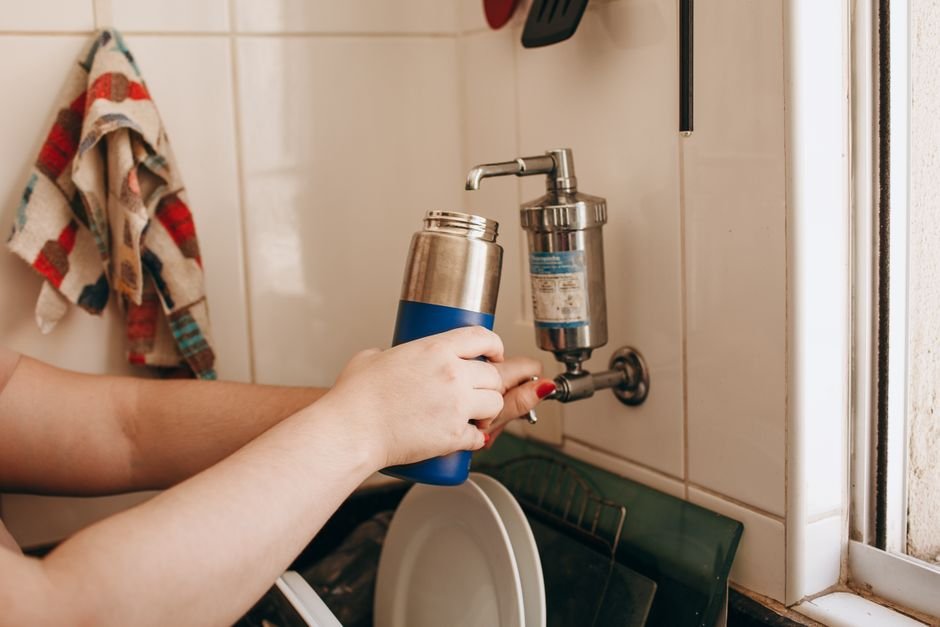
Cooling Water Purifier: The Ultimate Refreshment Solution
In an era where health and hydration are paramount, the demand for pure, refreshing water has never been greater. While bottled water offers convenience, its environmental impact and cost can be significant. Tap water, though readily available, often raises concerns about contaminants. Enter the cooling water purifier, a sophisticated appliance that seamlessly integrates purification and chilling, offering a sustainable, cost-effective, and unequivocally superior hydration experience. This article delves into the multifaceted benefits and advanced technologies that make cooling water purifiers the ultimate refreshment solution.
Understanding the Core Functionality: Purification and Chilling
At its heart, a cooling water purifier combines two essential functions. Firstly, it employs a multi-stage filtration system to remove a wide array of impurities from incoming tap water. These impurities can range from sediment, rust, and chlorine to more concerning contaminants like lead, pesticides, bacteria, and even viruses. The specific filtration stages vary depending on the model, but common components include sediment filters for larger particles, activated carbon filters to absorb chlorine and organic compounds, and often more advanced technologies like reverse osmosis (RO) or ultrafiltration (UF) for microscopic contaminant removal.
Secondly, once purified, the water is then chilled to an optimal drinking temperature. This chilling mechanism is typically powered by a compressor-based refrigeration system, similar to what you find in a refrigerator, ensuring a consistently cool and invigorating beverage. The temperature is usually adjustable, allowing users to personalize their hydration experience. This dual functionality eliminates the need for separate water filters and refrigerators dedicated to chilling water, streamlining home or office water management.
The Science Behind Superior Purity: Advanced Filtration Technologies
The efficacy of a cooling water purifier hinges on its filtration prowess. Understanding the different technologies employed provides insight into the quality of the water produced:
- Sediment Filters: These are the first line of defense, typically made of polypropylene or other fibrous materials. They effectively trap larger particles like sand, silt, and rust, preventing them from clogging subsequent, finer filters.
- Activated Carbon Filters: Carbon, particularly activated carbon, possesses a porous structure with a vast surface area. This allows it to adsorb (not absorb) a wide range of chemical contaminants, including chlorine, volatile organic compounds (VOCs), pesticides, and herbicides. This process significantly improves the taste and odor of the water.
- Reverse Osmosis (RO): This is a highly effective purification method that uses a semi-permeable membrane to remove dissolved solids, salts, and a broad spectrum of microscopic contaminants, including bacteria, viruses, and heavy metals like lead and arsenic. RO systems typically involve multiple pre-filters to protect the delicate RO membrane. While highly effective, RO can also remove beneficial minerals, which some manufacturers address with remineralization filters.
- Ultrafiltration (UF): UF membranes have pore sizes larger than RO but still small enough to remove bacteria, viruses, and colloidal particles. UF is often favored for its ability to retain beneficial minerals present in tap water, offering a good balance between purification and mineral content.
- UV Sterilization: Some advanced purifiers incorporate an ultraviolet (UV) lamp. UV light effectively inactivates bacteria, viruses, and other microorganisms by damaging their DNA, rendering them unable to reproduce. This provides an additional layer of microbiological safety.
- Post-Carbon Filters: Often placed after RO or UF, these filters further polish the water, removing any residual tastes or odors that might have developed during the purification process.
The combination and sequence of these filters are crucial for comprehensive purification, ensuring that the water dispensed is not only safe but also tastes exceptionally clean and refreshing.
The Unparalleled Benefits of a Cooling Water Purifier
The advantages of integrating a cooling water purifier into your daily life are extensive and impactful:
- Exceptional Water Quality: The primary benefit is access to consistently pure, great-tasting water. By removing a wide array of contaminants, these purifiers safeguard your health and enhance the enjoyment of drinking water. The reduction of chlorine, in particular, significantly improves palatability.
- Cost-Effectiveness: While the initial investment in a cooling water purifier might seem higher than a basic pitcher filter, the long-term savings are substantial. Eliminating the recurring cost of bottled water, which can be a significant household expense, makes purifiers a financially prudent choice.
- Environmental Sustainability: The environmental footprint of bottled water production, transportation, and disposal is considerable. Opting for a water purifier drastically reduces plastic waste, contributing to a healthier planet. This aligns with growing consumer consciousness regarding environmental responsibility.
- Convenience and Accessibility: Imagine having chilled, purified water readily available at the touch of a button, 24/7. This eliminates the need to constantly restock bottled water, wait for filtered water to drip through a pitcher, or rely on ice makers that can be slow. It’s instant gratification for your hydration needs.
- Health and Well-being: Pure water is fundamental to good health. By removing harmful contaminants, cooling water purifiers support optimal bodily functions, boost energy levels, improve skin health, and aid in detoxification. For families, it provides peace of mind knowing that children are drinking safe, clean water.
- Versatility in Temperature Control: Most cooling water purifiers offer adjustable temperature settings, catering to individual preferences. Whether you prefer ice-cold water for post-workout recovery or slightly cooler water for everyday hydration, the flexibility is a significant advantage.
- Space-Saving: By combining purification and chilling, these appliances often take up less counter or floor space than having a separate filter system and a dedicated water cooler or large pitcher.
Choosing the Right Cooling Water Purifier: Key Considerations
Selecting the ideal cooling water purifier requires careful consideration of several factors to ensure it meets your specific needs:
- Filtration Technology: Assess the types of contaminants you are most concerned about and choose a purifier with the appropriate filtration stages. If your tap water quality is a significant concern, an RO system might be the best option. For milder concerns and mineral retention, UF or advanced carbon filtration may suffice.
- Capacity and Dispensing Rate: Consider the water consumption of your household or office. Purifiers come in various capacities, from countertop models suitable for smaller families to larger floor-standing units for high-demand environments. The dispensing rate indicates how quickly the unit can deliver water.
- Chilling Capacity and Temperature Range: Evaluate the chilling speed and the lowest achievable temperature. If you frequently need large volumes of very cold water, a unit with a powerful compressor and efficient chilling system is essential.
- Maintenance and Filter Replacement: Understand the frequency and cost of filter replacements. Some systems have easy-to-replace filter cartridges, while others might require professional servicing. Factor this ongoing cost into your decision.
- Energy Efficiency: Look for models with energy-saving features, such as automatic shut-off or eco-modes, to minimize electricity consumption.
- Design and Aesthetics: Cooling water purifiers come in a variety of designs and finishes to complement your kitchen or office décor.
- Brand Reputation and Reviews: Research reputable brands and read customer reviews to gauge product reliability and customer satisfaction.
The Future of Hydration: Innovation in Cooling Water Purifiers
The cooling water purifier market is constantly evolving, with manufacturers introducing innovative features to enhance user experience and performance:
- Smart Technology Integration: Many modern purifiers now incorporate smart features, allowing for app-based control, filter life monitoring, and usage tracking. Some even offer remote diagnostics and personalized alerts.
- Advanced Remineralization: To address the removal of beneficial minerals by RO systems, manufacturers are developing sophisticated remineralization filters that reintroduce essential minerals like calcium and magnesium, enhancing both taste and health benefits.
- Energy-Efficient Chilling: Advances in refrigeration technology are leading to more energy-efficient chilling systems, reducing the environmental impact and operational costs.
- Compact and Sleek Designs: The trend towards minimalist and space-saving appliances is reflected in the design of newer cooling water purifiers, making them more aesthetically pleasing and suitable for modern living spaces.
- Enhanced Safety Features: Features like child-lock mechanisms and automatic shut-off systems are becoming standard, ensuring safe and convenient operation for all users.
In conclusion, the cooling water purifier stands as a testament to technological advancement in addressing fundamental human needs. It offers a holistic solution for hydration, combining the crucial elements of purity and refreshment in a single, efficient appliance. By investing in a cooling water purifier, individuals and organizations can embrace a healthier, more sustainable, and ultimately more satisfying approach to daily hydration.