Description: Compare the best water heaters for 2026. Discover expert insights on gas, electric, and tankless models to maximize energy savings and home comfort.
Selecting the right water heater is one of the most significant investments a homeowner can make. In 2026, the stakes are higher than ever. With global energy prices fluctuating and new environmental standards—such as the U.S. Department of Energy’s 2026 high-efficiency mandates—the choice between gas, electric, and tankless systems is no longer just about the upfront price. It is about lifecycle costs, carbon footprints, and smart home integration.
Whether you are building a new “smart” home or replacing an aging 50-gallon tank, this comprehensive guide will walk you through the best water heater options for homes available right now.
The 2026 Water Heater Landscape: A Quick Comparison
Before diving into the details, here is a high-level comparison of how the three primary technologies stack up in today’s market.
| Feature | Gas Storage Tank | Electric Storage Tank | Tankless (On-Demand) |
| Upfront Cost | Moderate ($1,200–$2,500) | Low ($800–$1,500) | High ($2,500–$5,000) |
| Monthly Cost | Lower (Fuel efficient) | Higher (Electricity rates) | Lowest (Heats on demand) |
| Lifespan | 8–12 Years | 10–15 Years | 20+ Years |
| Hot Water Supply | Limited by tank size | Limited by tank size | Endless |
| Power Outage | Works (most models) | No hot water | No hot water |
Export to Sheets
1. Gas Water Heaters: The Reliable Powerhouse
Gas-powered units remain a favorite in Tier 1 countries like the USA and Canada due to their rapid recovery rates and lower operating costs in regions where natural gas is abundant.
Why Gas Still Wins in 2026:
- Fast Recovery: Gas burners heat water much faster than electric elements. If your family takes back-to-back showers, a gas tank will replenish its hot water supply in about half the time of an electric one.
- Operational Resilience: Many gas models use a standing pilot or a millivolt system that allows them to provide hot water even during a total electricity blackout.
- Cost-Efficiency: Despite rising gas prices, natural gas remains significantly cheaper per BTU than standard electricity in many suburban areas.
The Trade-offs:
- Venting Requirements: Gas units produce carbon monoxide and require complex venting through the roof or a side wall.
- Safety Maintenance: Annual inspections of the gas line and burner are essential to prevent leaks and ensure optimal combustion.
2. Electric Water Heaters: The Simple, Versatile Choice
Electric water heaters are the “set it and forget it” option. They are ideal for homes without natural gas lines or for homeowners looking to simplify their utility infrastructure.
The Modern Electric Advantage:
- Lower Installation Costs: Because they don’t require flues or gas lines, electric units are the cheapest to install. This makes them the best value option for budget-conscious replacements.
- Superior Safety: With no combustion, there is zero risk of gas leaks or carbon monoxide poisoning.
- High Efficiency Ratings: Modern electric tanks are nearly 98% efficient at converting energy into heat, though the cost of that energy is higher than gas.
The Rise of the Hybrid (Heat Pump) Model:
In 2026, the “standard” electric tank is being outshined by Hybrid Heat Pump Water Heaters. These units pull heat from the air to warm the water.
Real-World Data: A hybrid unit can save a family of four up to $450 annually on electricity compared to a standard electric tank, often paying for its higher price tag in less than three years.
3. Tankless Water Heaters: The “Endless” Revolution
Tankless (on-demand) systems have officially become the gold standard for high-end residential properties. By heating water only as it flows through the unit, they eliminate “standby heat loss” entirely.
Why Homeowners are Switching:
- Space-Saving: These units are about the size of a suitcase and mount on the wall. They can free up to 12 square feet of floor space in your utility room.
- Endless Hot Water: As long as the unit is sized correctly for your “Gallons Per Minute” (GPM) needs, you will never run out of hot water, regardless of how long the shower lasts.
- Unmatched Longevity: With a lifespan exceeding 20 years, a tankless unit lasts twice as long as a traditional tank.
Critical Sizing Guide for Tankless Systems:
To choose the right tankless model, you must calculate your peak demand:
- Showerhead: 2.5 GPM
- Kitchen Faucet: 1.5 GPM
- Dishwasher: 1.0 GPM If you want to run all three at once, you need a unit rated for at least 5.0 GPM.
4. Smart Technology: The 2026 Standard
Regardless of the fuel source, the best water heaters you can buy right now all feature “Smart” capabilities. These systems are no longer a luxury—they are a necessity for modern home management.
- Leak Detection: Built-in sensors can detect a pinhole leak and automatically shut off the water supply to your home, preventing thousands of dollars in water damage.
- Usage Analytics: Smartphone apps allow you to see exactly how much energy you use each day, helping you adjust your habits to save money.
- Remote Temperature Control: Heading home from a cold winter hike? Use your phone to boost the water temperature so a steaming bath is ready the moment you walk through the door.
Making the Final Decision: Which is Right for You?
Choose a Gas Storage Tank if…
You have a large family, existing gas lines, and want the most reliable “recovery” time for a moderate price.
Choose an Electric/Hybrid Tank if…
You want the safest installation, live in an area with high gas prices, or are looking to integrate with solar panels.
Choose Tankless if…
You plan to stay in your home for 10+ years, value extra floor space, and demand an endless supply of hot water for luxury bathrooms.
Conclusion: Invest in Comfort and Efficiency
The “best” water heater is the one that fits your household’s specific rhythm. While a traditional electric tank might save you money today, a high-efficiency tankless or hybrid unit will protect your wallet from rising energy costs over the next two decades. In 2026, the move toward smarter, greener heating is not just a trend—it is a smart financial strategy.
Ready to find the perfect unit for your home? Would you like me to provide a customized recommendation based on your city’s current average energy rates and your household size?
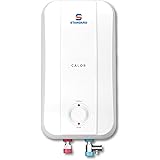
Havells Standard Calor 5 Litre Instant Water Geyser 3000 Watts | Stainless Steel Tank | Rust Proof Body | Automatic Cut Off, 2 Year Comprehensive Warranty (White) By Havells
₹3,629.00 (as of September 20, 2026 06:36 GMT +05:30 - More infoProduct prices and availability are accurate as of the date/time indicated and are subject to change. Any price and availability information displayed on [relevant Amazon Site(s), as applicable] at the time of purchase will apply to the purchase of this product.)
Haier EI3V-C1 Instant Water Heater 3 Litre Geyser 3000W Powerful Heating| Free Installation| Advanced Multi-Layered Safety|High Rise Compatible
₹3,499.00 (as of September 20, 2026 06:36 GMT +05:30 - More infoProduct prices and availability are accurate as of the date/time indicated and are subject to change. Any price and availability information displayed on [relevant Amazon Site(s), as applicable] at the time of purchase will apply to the purchase of this product.)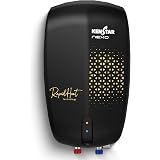
Kenstar NEXO 3L |3000W Instant Water Heater | Vertical Mounting | RapidHeat Technology | 2 Yr Product & 5 Yr Tank Warranty | Black
₹2,439.00 (as of September 20, 2026 06:36 GMT +05:30 - More infoProduct prices and availability are accurate as of the date/time indicated and are subject to change. Any price and availability information displayed on [relevant Amazon Site(s), as applicable] at the time of purchase will apply to the purchase of this product.)
V-Guard Fericio Geyser 3 Litre Instant Water Heater | Elegant Color Changing LED Rings | 3000 W Powerful Heating | Suitable For Kitchen & Bathroom | 5 Year Inner Tank Warranty by V-Guard | White
₹3,699.00 (as of September 20, 2026 06:36 GMT +05:30 - More infoProduct prices and availability are accurate as of the date/time indicated and are subject to change. Any price and availability information displayed on [relevant Amazon Site(s), as applicable] at the time of purchase will apply to the purchase of this product.)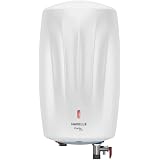
Havells Carlo Pro Instant Water Heater 5.9L (White)
₹5,399.00 (as of September 20, 2026 06:36 GMT +05:30 - More infoProduct prices and availability are accurate as of the date/time indicated and are subject to change. Any price and availability information displayed on [relevant Amazon Site(s), as applicable] at the time of purchase will apply to the purchase of this product.)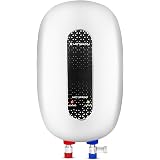
Longway Hotspring 3 Litres Instant Water Heater | Advanced Multi-Layered Safety | 3000 W Powerful Heating | Suitable For Kitchen & Bathroom | 5 Years Warranty on Tank | Off-White
₹1,999.00 (as of September 20, 2026 06:36 GMT +05:30 - More infoProduct prices and availability are accurate as of the date/time indicated and are subject to change. Any price and availability information displayed on [relevant Amazon Site(s), as applicable] at the time of purchase will apply to the purchase of this product.)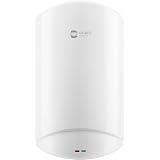
Orient Electric Aura Instant Pro Geyser 3 Litre Instant Water Heater | 3000 W Powerful Heating | Suitable For Kitchen & Bathroom | 5 Year Inner Tank Warranty by Orient | High-rise Compatible | White
₹2,699.00 (as of September 20, 2026 06:36 GMT +05:30 - More infoProduct prices and availability are accurate as of the date/time indicated and are subject to change. Any price and availability information displayed on [relevant Amazon Site(s), as applicable] at the time of purchase will apply to the purchase of this product.)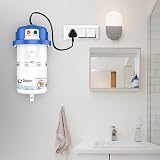
Grinish 3000W Instant Water Geyser | Fast Heating Electric Water Heater | Energy Efficient | Shockproof Body | Compact Wall Mount | Suitable for Kitchen & Bathroom | Multicolor
Now retrieving the price.
(as of September 20, 2026 06:36 GMT +05:30 - More infoProduct prices and availability are accurate as of the date/time indicated and are subject to change. Any price and availability information displayed on [relevant Amazon Site(s), as applicable] at the time of purchase will apply to the purchase of this product.)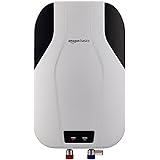
Amazon Basics 5.9L Instant Water Heater | 3KW | Geyser with PP Body & SS Tank | Corded Electric | Rust Proof | 4 Level Safety | White
₹2,799.00 (as of September 20, 2026 06:36 GMT +05:30 - More infoProduct prices and availability are accurate as of the date/time indicated and are subject to change. Any price and availability information displayed on [relevant Amazon Site(s), as applicable] at the time of purchase will apply to the purchase of this product.)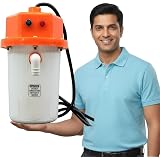
Drumstone TopRated 𝟏𝟓𝐘𝐫 𝐖𝐚𝐫𝐫𝐚𝐧𝐭𝐲 Instant Portable Water Heater Geyser 1L 3000W Fast Heating Electric Mini Geyser with Auto Cut Off for Bathroom, Kitchen & Salon | Smart Gift for Home
₹2,329.00 (as of September 20, 2026 06:36 GMT +05:30 - More infoProduct prices and availability are accurate as of the date/time indicated and are subject to change. Any price and availability information displayed on [relevant Amazon Site(s), as applicable] at the time of purchase will apply to the purchase of this product.)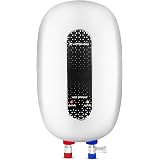
Longway Hotspring Automatic Instant Water Heater with Multiple Safety System & Rust-Proof ABS Body (White, 3 Ltr)
₹1,999.00 (as of September 20, 2026 06:36 GMT +05:30 - More infoProduct prices and availability are accurate as of the date/time indicated and are subject to change. Any price and availability information displayed on [relevant Amazon Site(s), as applicable] at the time of purchase will apply to the purchase of this product.)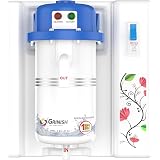
GRINISH Portable Instant Water Geyser 2KW | 230V | Fast Heating | Wall Mount | Copper Heating Element | Built-in Thermal Cut-Off & Mini Trip | 1 Year Coil Warranty | White
₹1,300.00 (as of September 20, 2026 06:36 GMT +05:30 - More infoProduct prices and availability are accurate as of the date/time indicated and are subject to change. Any price and availability information displayed on [relevant Amazon Site(s), as applicable] at the time of purchase will apply to the purchase of this product.)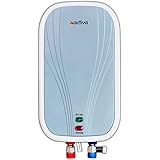
ACTIVA Volcano 3L Instant Water Heater Geyser | 3000W ISI Marked Copper Heating Element | 304L Stainless Steel Tank with Anti-Rust Coating | Auto Cut-Off Safety | ABS Body | 5 Years Warranty
₹2,047.00 (as of September 20, 2026 06:36 GMT +05:30 - More infoProduct prices and availability are accurate as of the date/time indicated and are subject to change. Any price and availability information displayed on [relevant Amazon Site(s), as applicable] at the time of purchase will apply to the purchase of this product.)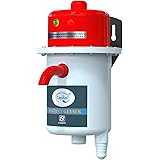
CAPITAL Instant Water Geyser 1 L | Portable Electric Water Heater with Auto Cut Off | Durable ABS Plastic Body | Fast Heating | 1-Year Warranty | Ideal for Home, Office, Kitchen & Restaurant
₹1,299.00 (as of September 20, 2026 06:36 GMT +05:30 - More infoProduct prices and availability are accurate as of the date/time indicated and are subject to change. Any price and availability information displayed on [relevant Amazon Site(s), as applicable] at the time of purchase will apply to the purchase of this product.)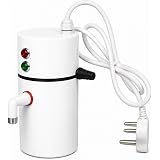
Mini 1 Liter Instant Water Heater with Auto Cut Off and 3 Seconds Heating (White)
Now retrieving the price.
(as of September 20, 2026 06:36 GMT +05:30 - More infoProduct prices and availability are accurate as of the date/time indicated and are subject to change. Any price and availability information displayed on [relevant Amazon Site(s), as applicable] at the time of purchase will apply to the purchase of this product.)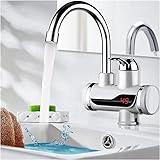
Instant Tankless Electric Water Heater Faucet with Temperature Control | Kitchen & Bathroom, Energy-Efficient, Adjustable Temperature, Instant Hot Water, Tankless Design
₹999.00 (as of September 20, 2026 06:36 GMT +05:30 - More infoProduct prices and availability are accurate as of the date/time indicated and are subject to change. Any price and availability information displayed on [relevant Amazon Site(s), as applicable] at the time of purchase will apply to the purchase of this product.)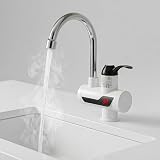
Vinhart Instant Electric Water Heater Tap, Tankless Faucet, Adjustable Temp
₹1,299.00 (as of September 20, 2026 06:36 GMT +05:30 - More infoProduct prices and availability are accurate as of the date/time indicated and are subject to change. Any price and availability information displayed on [relevant Amazon Site(s), as applicable] at the time of purchase will apply to the purchase of this product.)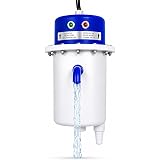
Seltix Instant Water Heater 1 Litre 3KW | Portable Mini Instant Electric Geyser | Copper Heating Element | Shockproof ABS Body | Auto Cut-Off Safety | Wall Mount Water Heater for Bathroom, Kitchen
₹1,199.00 (as of September 20, 2026 06:36 GMT +05:30 - More infoProduct prices and availability are accurate as of the date/time indicated and are subject to change. Any price and availability information displayed on [relevant Amazon Site(s), as applicable] at the time of purchase will apply to the purchase of this product.)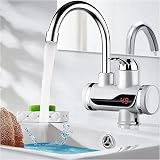
Instant Electric Water Heater Faucet Tap, 3000W | Home-Kitchen, Instantaneous, Tankless, LED Electric Head
₹799.00 (as of September 20, 2026 06:36 GMT +05:30 - More infoProduct prices and availability are accurate as of the date/time indicated and are subject to change. Any price and availability information displayed on [relevant Amazon Site(s), as applicable] at the time of purchase will apply to the purchase of this product.)