
The Ultimate Guide to Choosing the Best Home Cooling Appliances
The relentless summer heat demands effective and efficient home cooling. Navigating the vast array of air conditioning units, fans, and other cooling appliances can be a daunting task. This comprehensive guide will equip you with the knowledge to make informed decisions, ensuring your home remains a comfortable sanctuary without breaking the bank or compromising on environmental responsibility.
Understanding Your Cooling Needs: The Foundation of Choice
Before diving into specific appliance types, a thorough assessment of your cooling needs is paramount. Several factors influence the ideal solution:
- Room Size and Layout: The square footage of the space you intend to cool is the most critical determinant of appliance capacity. Larger rooms require more powerful units. Consider the layout – open-plan spaces may necessitate a single, powerful unit, while compartmentalized homes might benefit from multiple smaller units.
- Climate and Ambient Temperature: If you live in a region with extreme heat and humidity, you’ll need robust cooling capabilities. Milder climates might suffice with less intensive options.
- Insulation and Window Efficiency: A well-insulated home with energy-efficient windows retains cool air better, reducing the workload on your cooling appliances and lowering energy consumption. Conversely, poor insulation will necessitate a more powerful unit.
- Occupancy and Activity Levels: The number of people in a room and their activity levels generate heat. High-traffic areas or rooms frequently used for exercise will require more cooling power.
- Budget: Cooling appliances range significantly in price, from inexpensive portable fans to high-end central air conditioning systems. Determine a realistic budget upfront.
- Energy Efficiency (SEER/EER Ratings): Energy efficiency is a crucial consideration for both your wallet and the environment. Look for appliances with high Seasonal Energy Efficiency Ratio (SEER) for air conditioners or Energy Efficiency Ratio (EER) for other cooling devices. Higher ratings mean more cooling power for less electricity.
- Noise Levels: Some cooling appliances can be quite noisy, impacting comfort. Check decibel (dB) ratings, especially for bedroom units or if you’re sensitive to sound.
- Installation and Maintenance: Consider the complexity and cost of installation. Some units are plug-and-play, while others require professional installation. Factor in ongoing maintenance requirements.
Types of Home Cooling Appliances: A Detailed Breakdown
1. Air Conditioners (ACs): The Powerhouses of Cooling
Air conditioners actively cool air by removing heat and humidity. They are categorized by their installation and functionality:
- Window Air Conditioners:
- Description: Self-contained units designed to fit into a window frame or a pre-cut opening in a wall. They are a popular choice for cooling single rooms.
- Pros: Relatively affordable, easy to install (often DIY), good for spot cooling, available in a wide range of capacities.
- Cons: Can obstruct window views, can be noisy, may not be aesthetically pleasing, can be less energy-efficient than central systems, limited to cooling one room.
- Key Features to Look For:
- BTU (British Thermal Unit) Capacity: This is the most crucial specification. A general rule of thumb is 20 BTUs per square foot. For example, a 150 sq ft room needs approximately 3,000 BTUs. Overestimating can lead to short cycling and inefficient operation, while underestimating results in inadequate cooling. Consult online calculators or manufacturer recommendations.
- Energy Efficiency Ratio (EER): Higher EER means better efficiency. Look for EER ratings of 10 or higher.
- Programmable Thermostat: Allows you to set cooling schedules, saving energy.
- Remote Control: For convenient operation.
- Multiple Fan Speeds: For adjustable airflow.
- Sleep Mode: Gradually adjusts temperature for comfortable nighttime cooling.
- Washable Air Filter: For easy maintenance and improved air quality.
- Dehumidification Mode: Useful in humid climates.
- Portable Air Conditioners:
- Description: Freestanding units that sit on the floor and are typically on wheels. They require an exhaust hose to be vented out of a window.
- Pros: No permanent installation required, can be moved between rooms, often a good option for renters.
- Cons: Generally less efficient than window units, can be bulkier, exhaust hose setup can be cumbersome, can be noisy.
- Key Features to Look For:
- BTU Capacity: Similar considerations as window units.
- Single-Hose vs. Dual-Hose: Dual-hose systems are more efficient as they use outside air to cool the condenser, preventing negative pressure within the room and drawing in warmer outside air.
- Energy Efficiency: Look for units with good EER ratings.
- Water Tank Capacity/Self-Evaporation: Some models collect condensation, requiring manual emptying, while others evaporate it through the exhaust.
- Remote Control and Timer: For convenience.
- Through-the-Wall Air Conditioners:
- Description: Similar to window units but designed for permanent installation through an exterior wall, often within a sleeve.
- Pros: More secure than window units, can offer a cleaner aesthetic, good for specific room configurations.
- Cons: Requires professional installation and cutting into a wall.
- Key Features to Look For: Same as window ACs, with emphasis on secure mounting and weatherproofing.
- Ductless Mini-Split Systems:
- Description: Consist of an outdoor compressor/condenser unit connected to one or more indoor air-handling units via refrigerant lines and electrical wiring. They are ideal for homes without existing ductwork or for zoning specific areas.
- Pros: Highly energy-efficient, quiet operation, excellent for zoning, aesthetically pleasing indoor units, can provide heating as well (heat pumps).
- Cons: Higher upfront cost than window or portable ACs, requires professional installation.
- Key Features to Look For:
- SEER Rating: Look for high SEER ratings (16+).
- Number of Zones: Determine how many indoor units you need to cool separate areas effectively.
- Inverter Technology: More efficient and provides more consistent temperature control.
- Smart Features: Wi-Fi connectivity for remote control and integration with smart home systems.
- Air Filtration: Advanced filters for improved indoor air quality.
- Central Air Conditioning Systems:
- Description: The most comprehensive cooling solution, distributing cool air throughout the entire house via a network of ducts. Consists of an outdoor unit (condenser) and an indoor unit (evaporator coil often paired with a furnace).
- Pros: Provides consistent cooling throughout the entire home, quiet operation within living spaces, can be integrated with whole-house air filtration and humidification/dehumidification.
- Cons: Highest upfront cost, requires existing ductwork (or installation of new ductwork), less efficient for cooling single rooms, professional installation and maintenance are essential.
- Key Features to Look For:
- SEER Rating: The higher the SEER, the more efficient the system. Look for ENERGY STAR certified models.
- Compressor Type: Single-stage, two-stage, or variable-speed compressors offer increasing levels of efficiency and comfort. Variable-speed is the most advanced and energy-efficient.
- Ductwork Inspection and Sealing: Crucial for optimal performance and efficiency. Leaky ducts can waste significant energy.
- Programmable or Smart Thermostat: Essential for managing energy consumption.
- Air Filtration System: Consider high-efficiency filters or HEPA filters for improved indoor air quality.
2. Fans: The Supplemental Coolers
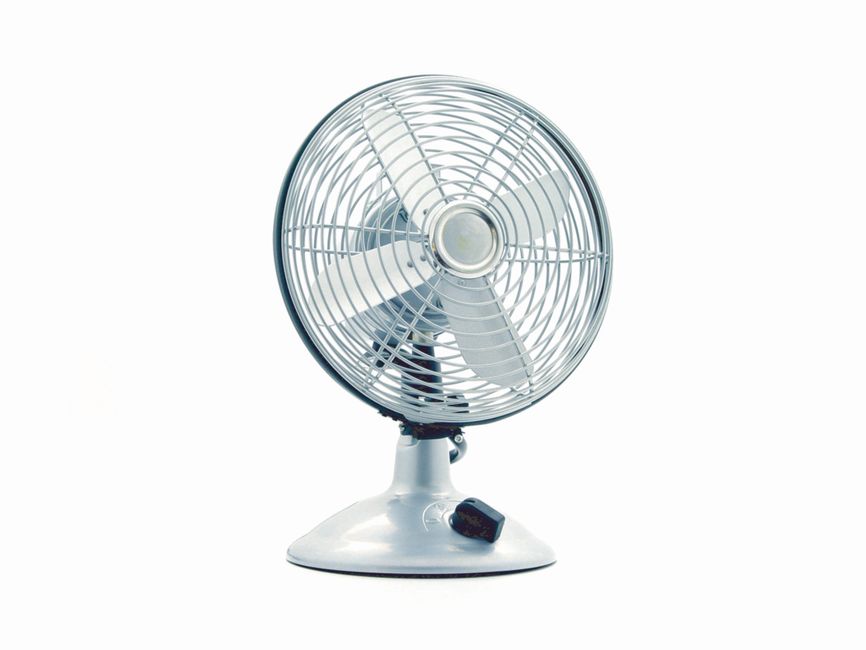
Fans do not cool the air itself; instead, they create a wind-chill effect by circulating air, making you feel cooler. They are excellent for supplementing AC or for use in milder climates.
- Box Fans:
- Description: Simple, rectangular fans that can be placed in windows to draw in cool air or exhaust warm air.
- Pros: Inexpensive, portable, versatile.
- Cons: Can be noisy, limited airflow.
- Pedestal Fans:
- Description: Freestanding fans with adjustable height and oscillating heads.
- Pros: Good for directing airflow, adjustable height, oscillating feature for wider coverage.
- Cons: Can take up floor space, moderate noise levels.
- Tower Fans:
- Description: Tall, slender fans that occupy minimal floor space and often feature oscillating functionality.
- Pros: Space-saving design, quiet operation (often), sleek aesthetics.
- Cons: Airflow can be more directed than oscillating pedestal fans.
- Ceiling Fans:
- Description: Installed on the ceiling, they circulate air throughout the room. They can also be reversed in winter to push warm air down.
- Pros: Excellent for general air circulation, energy-efficient, can reduce reliance on AC, can be aesthetically pleasing.
- Cons: Requires professional installation, airflow might not be directly focused on individuals.