
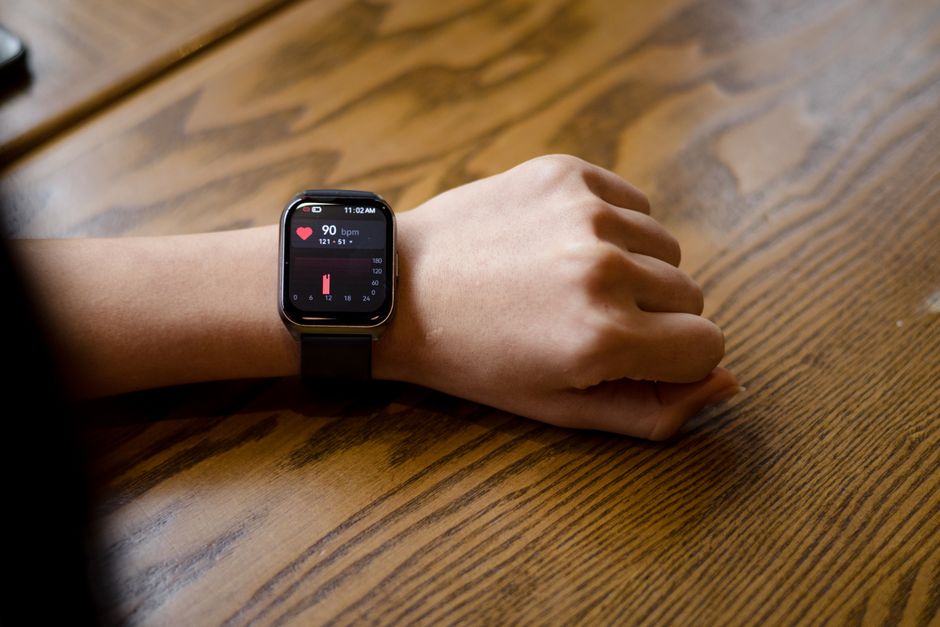
Get Fit Smarter: Fitness Bands with Precision Heart Rate Sensors
The modern fitness landscape is no longer solely defined by strenuous workouts and guesswork. Today, the pursuit of optimal health and peak physical condition is increasingly driven by data, and at the forefront of this revolution are fitness bands equipped with precision heart rate sensors. These sophisticated devices have transcended their initial role as simple step counters, evolving into indispensable tools for understanding, optimizing, and personalizing our fitness journeys. Gone are the days of vaguely knowing you’re working hard; now, you can quantify it with remarkable accuracy, empowering you to “Get Fit Smarter.”
The core innovation lies in the precision heart rate sensor, a technology that has undergone significant advancements. Early fitness trackers often relied on less accurate optical sensors, leading to inconsistent readings, especially during intense exercise. However, contemporary bands utilize advanced photoplethysmography (PPG) technology. This method employs LED lights to illuminate your skin and a photodetector to measure the subtle changes in blood volume as your heart beats. Sophisticated algorithms then process this data, accounting for factors like skin tone, ambient light, and motion artifacts, to deliver remarkably precise heart rate measurements. This precision is crucial for unlocking the true potential of your fitness data.
Understanding your heart rate is fundamental to effective training. It’s a direct indicator of your cardiovascular exertion and energy expenditure. Fitness bands with precision sensors allow you to monitor your heart rate zones in real-time. These zones represent different physiological states and training intensities, each offering distinct benefits. For instance, the fat-burning zone (typically 60-70% of your maximum heart rate) is ideal for sustained, lower-intensity workouts aimed at improving endurance and utilizing fat as a primary energy source. The cardio zone (70-80% of max heart rate) elevates your heart rate to improve cardiovascular health and stamina. Pushing into the peak zone (80-90% of max heart rate) during High-Intensity Interval Training (HIIT) sessions maximizes calorie burn and boosts anaerobic capacity. By accurately tracking your time spent in each zone, you can tailor your workouts to achieve specific goals, preventing overtraining and maximizing the effectiveness of every sweat session.
Beyond real-time monitoring, these bands offer invaluable post-workout analysis. After a run, cycle, or gym session, you can delve into detailed summaries of your heart rate performance. This data allows you to assess how hard you truly worked, whether you stayed within your target zones, and how efficiently your cardiovascular system responded. This feedback loop is essential for progressive overload – the principle of gradually increasing the demands on your body to stimulate adaptation and improvement. A band can reveal if a particular workout was too easy, prompting you to increase intensity or duration in your next session, or if you pushed too hard, suggesting a need for more recovery.
Furthermore, the continuous monitoring capabilities of precision heart rate sensors extend beyond dedicated workouts. These bands track your resting heart rate (RHR), a key indicator of cardiovascular fitness. A lower RHR generally signifies a more efficient heart that can pump more blood with each beat. Tracking your RHR over time can reveal improvements in your fitness level and can also serve as an early warning sign of potential health issues or overtraining. Similarly, heart rate variability (HRV), the variation in time between heartbeats, is becoming an increasingly important metric. Higher HRV is often associated with better recovery, stress management, and overall resilience. Fitness bands with advanced sensors can provide these insights, helping you understand your body’s readiness for exercise and its ability to cope with daily stressors.
The integration of precision heart rate data with other activity tracking metrics creates a holistic picture of your health. When combined with step counts, distance traveled, calories burned, and sleep tracking, heart rate data provides a more nuanced understanding of your overall energy expenditure and recovery. For example, a high calorie burn during a workout might be accompanied by a surprisingly low resting heart rate the next morning, indicating excellent cardiovascular adaptation. Conversely, a high resting heart rate after a night of poor sleep could signal the need for rest and recovery rather than another intense training session.
Personalized training plans are a significant benefit of using fitness bands with precision heart rate sensors. Many companion apps leverage your historical heart rate data, fitness level, and stated goals to create customized workout routines. These plans adapt over time, adjusting intensity and duration based on your progress and recovery. This intelligent approach eliminates the guesswork of program design, ensuring you’re always training optimally for your individual needs and capabilities. Whether you’re a seasoned athlete aiming for a personal best or a beginner looking to build a consistent fitness habit, personalized plans ensure you’re moving towards your goals efficiently and safely.
For those interested in specific training methodologies like interval training, precision heart rate monitoring is paramount. HIIT, known for its potent calorie-burning and metabolism-boosting effects, relies on pushing your heart rate into very high zones for short bursts, followed by brief recovery periods. Accurate real-time heart rate data ensures you’re hitting the intended intensity during work intervals and recovering adequately during rest periods, maximizing the benefits of this demanding training style.
The impact of sleep quality on fitness and recovery is undeniable, and precision heart rate sensors play a role here too. During sleep, your heart rate naturally lowers. Advanced bands monitor these fluctuations, along with periods of restlessness, to provide insights into your sleep stages and overall sleep quality. Understanding how your sleep impacts your heart rate recovery and readiness for training allows you to make informed adjustments to your daily routine, ultimately enhancing your fitness gains.
Stress management is another area where heart rate data proves beneficial. Elevated heart rates can be indicative of stress, both physical and mental. By monitoring your heart rate throughout the day, you can identify patterns associated with stressful situations and implement strategies to mitigate their impact. Some bands even offer guided breathing exercises or mindfulness prompts when they detect prolonged periods of elevated heart rate, encouraging you to take a moment to recenter and reduce stress.
The accuracy and reliability of these sensors are paramount for effective use. Leading brands invest heavily in research and development to ensure their PPG technology is as precise as possible, often rivaling the accuracy of chest strap heart rate monitors, especially during steady-state activities. However, it’s important to acknowledge that factors like excessive motion, cold temperatures, and certain skin conditions can still influence readings. Users should consult their device’s manual for optimal sensor placement and usage guidelines.
The user interface and accompanying apps are also critical components of the smart fitness band experience. Intuitive dashboards, clear data visualizations, and easy-to-understand metrics transform raw numbers into actionable insights. The ability to sync data seamlessly with other health and fitness platforms further enhances the utility of these devices, allowing for a comprehensive overview of your well-being.
Ultimately, fitness bands with precision heart rate sensors empower individuals to move beyond a one-size-fits-all approach to fitness. They provide the knowledge and tools to understand your body’s unique responses to exercise, recovery, and daily life. This data-driven approach allows for smarter training, leading to more efficient progress, reduced risk of injury, and a more enjoyable and sustainable fitness journey. By embracing this technology, you are not just tracking your activity; you are actively participating in the optimization of your physical and overall health.