
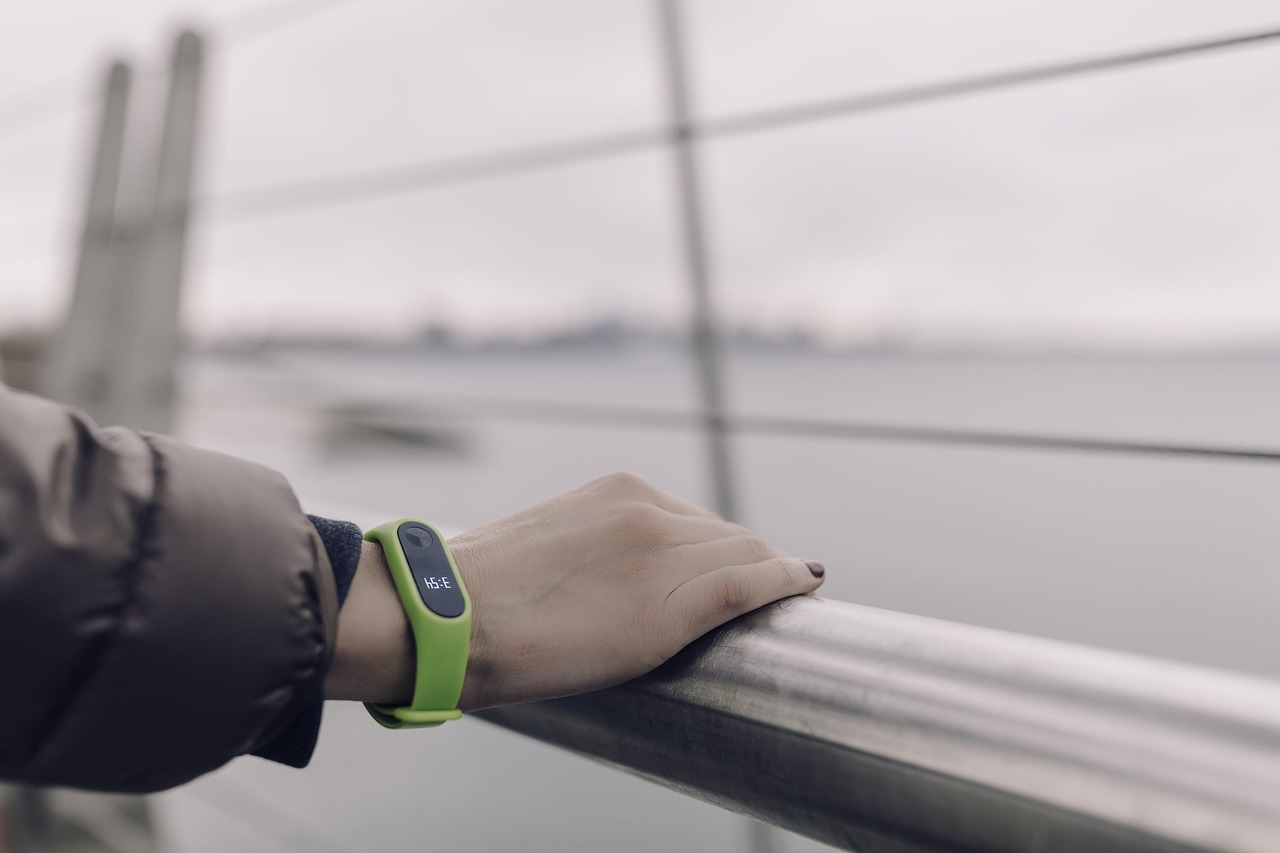
The landscape of wearable technology is in a constant state of flux, and the humble fitness band, once a basic step counter, is at the forefront of this evolution. Far from reaching a plateau, the future of fitness bands is brimming with exciting innovations poised to redefine personal health monitoring and athletic performance. These devices are rapidly transforming from passive trackers into intelligent companions, offering deeper insights and more proactive guidance than ever before.
One of the most significant advancements on the horizon is the integration of advanced biometric sensors. While current bands excel at tracking heart rate and sleep patterns, future iterations will incorporate a wider array of sophisticated sensors. Expect to see non-invasive glucose monitoring become a reality, a holy grail for diabetics and health-conscious individuals alike, potentially eliminating the need for painful finger pricks. Similarly, blood pressure monitoring is moving beyond bulky cuffs, with miniaturized optical or impedance sensors being developed for wrist-worn devices. The ability to continuously track these vital signs in real-time will provide invaluable data for managing chronic conditions and detecting early warning signs of health issues.
Beyond these critical health metrics, the pursuit of understanding the human body at a deeper level will drive the inclusion of hydration sensors. Dehydration can significantly impact performance and overall well-being, and a band capable of estimating hydration levels would be a game-changer for athletes, outdoor enthusiasts, and even office workers. Furthermore, research is progressing on sensors that can analyze sweat composition, potentially offering insights into electrolyte levels, stress hormones like cortisol, and even early markers for illness. This level of granular data will empower users to fine-tune their training, recovery, and daily routines with unprecedented precision.
The focus will also shift from simply collecting data to intelligent interpretation and actionable insights. Future fitness bands will leverage sophisticated artificial intelligence (AI) and machine learning (ML) algorithms to move beyond raw numbers. Instead of just showing a sleep score, the band will offer personalized recommendations for improving sleep hygiene based on individual patterns and external factors. Similarly, workout suggestions will become dynamically tailored, adapting to your recovery status, energy levels, and specific training goals. Imagine a band that can predict when you’re at risk of overtraining and suggest a rest day or a lighter activity, or one that identifies subtle changes in your gait that could indicate an impending injury.
Personalized coaching and feedback will become a cornerstone of the future fitness band experience. These devices will evolve into virtual personal trainers, offering real-time form correction during exercises, guided breathing techniques to manage stress, and motivational prompts to keep users on track. The integration of haptic feedback will play a crucial role, providing subtle vibrations for form cues or alerts without requiring the user to constantly check their wrist. This creates a more immersive and intuitive interaction, allowing users to stay present during their activities.
Enhanced recovery tracking is another area ripe for innovation. Beyond sleep, future bands will likely monitor muscle fatigue and soreness through advanced sensor technology, perhaps by analyzing changes in electrical muscle activity or micro-movements. This will allow for more informed decisions about when to push hard and when to prioritize rest and active recovery, optimizing the training cycle and minimizing the risk of injury. The concept of readiness scores, which combine various biometric data points to indicate an individual’s capacity for physical exertion, will become more sophisticated and reliable.
Mental wellness and stress management are increasingly recognized as integral components of overall health, and fitness bands are poised to play a larger role in this domain. Beyond basic heart rate variability (HRV) for stress assessment, future devices will likely incorporate electroencephalogram (EEG) sensors to gain a more direct understanding of brain activity. This could enable features like guided meditation sessions that adapt in real-time to your brainwave patterns, or provide biofeedback to help users learn to regulate their stress responses more effectively. The ability to track and manage stress proactively will be a significant differentiator.
The user interface and experience will also undergo a significant transformation. While current bands rely heavily on companion smartphone apps, future devices will offer more on-device intelligence and intuitive navigation. Expect larger, higher-resolution displays with improved touch sensitivity, capable of presenting complex data in an easily digestible format. Voice control will become more sophisticated, allowing for seamless interaction without needing to physically touch the device, especially during workouts. Furthermore, the integration of augmented reality (AR) overlays, projected onto the wrist or through connected smart glasses, could provide real-time workout metrics or navigation cues directly in the user’s field of vision.
Connectivity and interoperability will be paramount. Future fitness bands will seamlessly integrate with a wider ecosystem of health and fitness devices, from smart scales and blood pressure monitors to smart gym equipment and even smart home devices. This creates a holistic view of a user’s health and allows for more comprehensive data analysis. The ability to securely share data with healthcare providers, personal trainers, or even research studies will also become more commonplace, fostering a more collaborative approach to health management.
Battery life and durability remain crucial considerations, and ongoing research into more efficient power management and advanced battery technologies will continue to address these limitations. The trend towards more ruggedized and waterproof designs will also ensure that fitness bands can withstand the rigors of extreme sports and outdoor adventures. Furthermore, the exploration of energy harvesting technologies, such as solar or kinetic energy, could reduce reliance on traditional charging methods.
Finally, personalization and customization will extend beyond the software to the hardware itself. While the dominant form factor will likely remain the wristband, we may see more modular designs allowing users to swap out sensors or customize the aesthetic to their preferences. The integration of advanced materials, such as self-healing polymers or breathable fabrics, will enhance comfort and longevity. The future of fitness bands is not just about tracking; it’s about creating a deeply personal and intelligent extension of ourselves, empowering us to live healthier, more informed, and more active lives.