
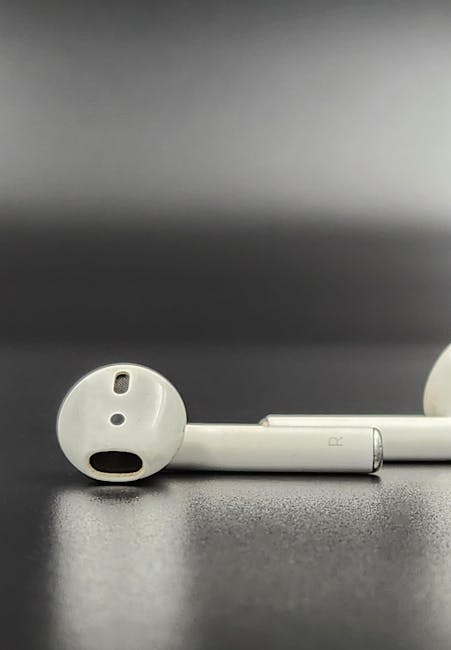
Decoding the Secondhand Scene: Your Definitive Guide to Buying Used Original Apple AirPods
The allure of Apple’s iconic AirPods is undeniable. Their seamless integration with the Apple ecosystem, comfortable fit, and impressive sound quality make them a coveted accessory. However, the premium price tag can be a significant barrier. This is where the burgeoning market for used AirPods enters the picture, offering a more budget-friendly path to wireless audio bliss. But navigating this secondhand landscape requires a discerning eye and a thorough understanding of what to look for. This comprehensive guide will equip you with the knowledge to confidently purchase used original Apple AirPods, ensuring you get a quality product without falling prey to common pitfalls.
Understanding “Original” AirPods: A Crucial Distinction
When venturing into the used market, the term “original” is paramount. This refers to genuine Apple-manufactured AirPods, as opposed to the myriad of counterfeit or “fakes” that flood online marketplaces. Counterfeits, while often cheaper, suffer from inferior sound quality, unreliable connectivity, poor battery life, and a lack of genuine Apple features. Distinguishing between the two is the first and most vital step in your purchasing journey.
Key Indicators of Genuine AirPods:
- Packaging: Authentic AirPods come in a meticulously designed box with high-quality printing, precise logos, and a serial number on the exterior. Counterfeits often have blurry text, misaligned logos, or flimsy packaging.
- Serial Number: Every genuine Apple product, including AirPods, has a unique serial number. You can verify this serial number on Apple’s official website (checkcoverage.apple.com). If the serial number doesn’t register or shows as invalid, it’s a major red flag.
- Physical Appearance: Genuine AirPods boast a consistent, smooth finish, precise detailing, and no visible seams or imperfections. Pay close attention to the charging case hinge, button placement, and the engraving on the case. Counterfeits often exhibit rough edges, uneven finishes, or slightly off-center engravings.
- Charging Case Lighting: The LED indicator light on a genuine charging case is a specific color and brightness. Counterfeits may have a dimmer, flickering, or incorrectly colored light.
- Connectivity and Software Integration: Genuine AirPods seamlessly pair with iPhones and iPads, displaying pop-up connection windows and appearing in Bluetooth settings with the correct model name (e.g., “AirPods Pro”). Counterfeits may have clunky pairing processes or misidentified names.
- Sound Quality and Features: This is a subjective but crucial indicator. Genuine AirPods deliver crisp, balanced audio. Features like active noise cancellation (ANC) and transparency mode on Pro models should function flawlessly. Counterfeits often have muffled sound, distorted bass, or non-functional ANC.
Where to Buy Used Original Apple AirPods:
Several platforms cater to the secondhand electronics market. Each has its pros and cons:
- Reputable Refurbishers and Resellers: Websites like Back Market, Gazelle, and Amazon Renewed specialize in refurbished electronics. They often offer a warranty and have rigorous testing processes. This is generally the safest option for peace of mind.
- Online Marketplaces (eBay, Facebook Marketplace): These platforms offer a wider selection and potentially lower prices, but also carry a higher risk. Thoroughly vet sellers, read reviews, and communicate extensively.
- Peer-to-Peer Selling Apps (Swappa): Swappa focuses on used electronics and has stricter listing requirements, often including proof of ownership and condition.
Essential Checks Before You Buy:
Regardless of the platform, several critical checks will help you avoid a lemon:
- Seller Reputation and Reviews: For online marketplaces, scrutinize the seller’s feedback. Look for consistent positive reviews, especially concerning electronics. Avoid sellers with a history of complaints or a low number of transactions.
- Detailed Photos and Descriptions: Insist on high-resolution photos of the AirPods from all angles, including the charging case, earbuds, and any included accessories. The description should be detailed, honestly reflecting any cosmetic flaws, battery health, and functional status.
- Ask About Battery Health: Battery degradation is inevitable with any rechargeable device. Ask the seller for an estimate of the battery life they are currently experiencing. For newer models, you might be able to get a screenshot of the battery health from an iPhone.
- Inquire About Previous Repairs: If the AirPods have been repaired, inquire about the nature of the repair and where it was performed. Unauthorized repairs can compromise the integrity of the device.
- Check for Compatibility: Ensure the AirPods model you’re considering is compatible with your existing devices. For example, older AirPods models might not support the latest Bluetooth features or spatial audio.
- Request the Serial Number: Always ask for the serial number before purchasing. Verify it on Apple’s website. If the seller refuses or it’s invalid, walk away.
- Understand the Return Policy: Especially on peer-to-peer platforms, confirm the seller’s return policy. A buyer-friendly return policy provides a crucial safety net if the AirPods are not as described.
Specific Checks for Different AirPods Generations:
- AirPods (1st and 2nd Generation): Focus on physical condition, charging case functionality, and the responsiveness of the touch controls for play/pause and Siri. Battery life will likely be reduced compared to new.
- AirPods Pro (1st and 2nd Generation): Beyond the general checks, pay close attention to the Active Noise Cancellation (ANC) and Transparency Mode. These features are crucial to the Pro experience. Test them thoroughly if possible. Also, ensure the ear tips are in good condition or readily replaceable.
- AirPods Max: Inspect the earcups for wear and tear, the headband for any damage, and ensure the digital crown functions smoothly. Battery life and ANC are paramount here.
The Importance of Cleaning and Hygiene:
Used earbuds have been in contact with someone else’s ears. This is a primary concern for many buyers.
- Ask About Cleaning: Reputable sellers or refurbishers should have professionally cleaned the AirPods. If buying from an individual, inquire about their cleaning practices.
- DIY Cleaning: If you’re concerned, you can purchase replacement ear tips for most models. The charging case can be wiped down with a slightly damp, lint-free cloth. The earbuds themselves can be gently cleaned with a dry microfiber cloth. Avoid moisture getting into the speaker grilles or charging contacts.
Negotiating the Price:
The price of used AirPods varies significantly based on model, condition, age, and seller.
- Research Market Value: Before making an offer, research the going rate for the specific model and condition you’re interested in.
- Factor in Condition: Minor cosmetic blemishes might warrant a slight discount, while significant wear or battery degradation should significantly impact the price.
- Be Realistic: Don’t expect to get brand-new performance or battery life at a heavily discounted price.
What to Do After You Receive Your Used AirPods:
Once your used AirPods arrive, it’s crucial to perform a thorough inspection:
- Pairing and Connectivity Test: Connect them to your device and test the Bluetooth connection. Ensure they pair quickly and reliably.
- Sound Quality Assessment: Listen to a variety of music and podcasts. Check for clarity, balance, and any distortion.
- Feature Functionality: Test all advertised features, such as ANC, Transparency Mode, spatial audio, and touch controls.
- Battery Life Monitoring: Charge them fully and monitor their battery life over a few listening sessions. Compare it to what was advertised.
- Physical Inspection (Again): Double-check for any hidden damage or defects that may have been missed initially.
Navigating the Pitfalls:
- Counterfeits: As previously emphasized, this is the biggest risk. Always prioritize authenticity.
- Damaged Goods: Be wary of AirPods with visible cracks, dents, or signs of water damage.
- Poor Battery Health: Significant battery degradation can render the AirPods frustrating to use.
- Non-Functional Features: If key features like ANC or touch controls don’t work, the value is severely diminished.
- Lost or Stolen Items: While harder to detect, purchasing from unverified sources increases this risk.
By following this comprehensive guide, you can significantly mitigate the risks associated with buying used original Apple AirPods and confidently secure a quality audio accessory that fits your budget. A little research, careful inspection, and a healthy dose of skepticism can lead to a rewarding secondhand purchase.