
Air Fryer 101: Your Ultimate Beginner’s Guide to Crispy Perfection
The air fryer has revolutionized home cooking, transforming weeknight meals and weekend treats alike with its promise of crispy, golden-brown textures without the deep-frying mess or excess oil. For newcomers to this culinary marvel, the sheer variety of models and the initial learning curve can seem daunting. Fear not! This comprehensive guide, “Air Fryer 101,” is designed to equip you with everything you need to know to embark on your air frying journey with confidence and achieve delicious results every time.
Understanding the Magic: How Does an Air Fryer Work?
At its core, an air fryer is a powerful convection oven disguised as a compact countertop appliance. It circulates superheated air at high speeds around your food, mimicking the crisping effect of deep-frying. This rapid air circulation creates a convection current that cooks food evenly and efficiently, resulting in a delightfully crispy exterior and a tender, moist interior. Unlike ovens that rely on radiant heat, the intense, focused airflow of an air fryer is what sets it apart, delivering unparalleled crispness in a fraction of the time.
Key Components of Your Air Fryer:
While models vary, most air fryers share fundamental components:
- Heating Element: Usually located at the top of the appliance, this generates the intense heat.
- Fan: This powerful fan is crucial for circulating the hot air at high speeds.
- Cooking Basket/Tray: This is where you place your food. It’s designed with perforations or a mesh to allow air to flow freely around the ingredients.
- Control Panel: This allows you to set the temperature and cooking time. Many modern air fryers feature digital displays and pre-programmed settings.
- Exterior Casing: This insulated shell keeps the heat contained and the exterior cool to the touch.
Choosing Your Perfect Air Fryer: A Buyer’s Guide
The air fryer market is brimming with options, each with its unique features and price points. Consider these factors when making your purchase:
- Capacity: This is perhaps the most crucial consideration. For singles or couples, a smaller 2-3 quart model might suffice. Families of 3-4 will likely need a 4-6 quart model, while larger households may benefit from a 6+ quart or even a basket-style air fryer with multiple tiers.
- Type:
- Basket Style: The most common type, featuring a pull-out basket. Ideal for smaller portions and quick cooking.
- Oven Style: Resembles a small toaster oven with shelves. Offers more versatility for cooking multiple items or larger roasts, often with additional functions like toasting and broiling.
- Wattage: Higher wattage generally translates to faster preheating and cooking times. Most air fryers range from 1200-1800 watts.
- Digital vs. Manual Controls: Digital controls offer precise temperature and time settings, often with presets. Manual dials are simpler but less precise.
- Ease of Cleaning: Look for models with dishwasher-safe baskets and trays. Non-stick coatings are a significant plus.
- Extra Features: Some air fryers come with rotisserie functions, dehydrating capabilities, or special accessories. Consider if these are essential for your cooking needs.
- Budget: Air fryers can range from under $50 to over $200. Determine your budget and prioritize features accordingly.
Getting Started: Essential Tips for First-Time Users
Before you dive into elaborate recipes, familiarize yourself with the basics for a smooth and successful air frying experience:
- Read Your Manual: Every air fryer is slightly different. Take a few minutes to read the manufacturer’s instructions for specific operating procedures, cleaning guidelines, and safety precautions.
- Preheating is Key: Just like a conventional oven, preheating your air fryer for 3-5 minutes at the desired temperature ensures even cooking and optimal crispiness from the moment your food enters the basket.
- Don’t Overcrowd the Basket: This is a cardinal rule of air frying. Overcrowding prevents hot air from circulating effectively, leading to unevenly cooked and soggy food. Cook in batches if necessary.
- Use a Little Oil (Sometimes): While air frying significantly reduces the need for oil, a light coating can enhance crispiness and prevent sticking, especially for foods that are naturally dry. Use healthy oils like olive oil, avocado oil, or coconut oil in spray or drizzle form.
- Shake or Flip Your Food: For even browning and crisping, shake the basket halfway through the cooking time or flip larger items with tongs. This ensures all sides of the food are exposed to the hot air.
- Experiment with Temperatures and Times: The cooking times and temperatures in recipes are guidelines. Your air fryer might cook hotter or cooler than specified. Start with the recommended settings and adjust as needed. You’ll develop an intuitive sense for your appliance over time.
- Clean After Each Use: Prompt cleaning prevents food residue from building up and affecting future cooking performance and flavor. Most baskets and trays are dishwasher safe.
Your First Air Fryer Recipes: Simple & Delicious Staples
To build your confidence, start with these easy and crowd-pleasing recipes:
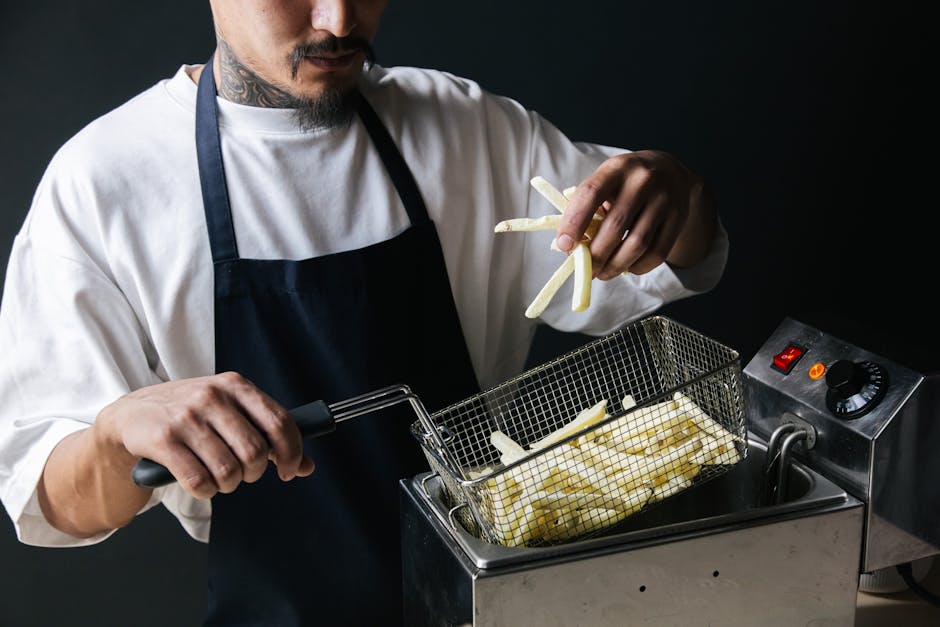
- Crispy French Fries: Cut potatoes into uniform sticks, toss with a tablespoon of oil and salt, and air fry at 400°F (200°C) for 15-20 minutes, shaking halfway.
- Golden Chicken Wings: Marinate chicken wings in your favorite sauce or spices, then air fry at 380°F (190°C) for 20-25 minutes, flipping halfway, until golden and cooked through.
- Roasted Broccoli: Toss broccoli florets with a drizzle of olive oil, salt, pepper, and garlic powder. Air fry at 390°F (195°C) for 8-10 minutes until tender and slightly charred.
- Breaded Shrimp: Coat shrimp in flour, egg, and breadcrumbs. Air fry at 370°F (185°C) for 6-8 minutes, flipping halfway, until golden and cooked through.
- Sweet Potato Fries: Similar to regular fries, but toss with a pinch of cinnamon for a sweet and savory treat. Air fry at 390°F (195°C) for 12-15 minutes.
Beyond the Basics: Mastering Air Fryer Cooking
Once you’re comfortable with the fundamentals, you can explore the vast potential of your air fryer:
- Vegetables: Almost any vegetable can be air-fried to perfection. From Brussels sprouts and asparagus to bell peppers and zucchini, a quick toss with oil and seasonings is all they need.
- Proteins: Chicken breasts, fish fillets, pork chops, and even steaks can be cooked beautifully in an air fryer. Adjust cooking times based on thickness and desired doneness.
- Frozen Foods: Air fryers are a game-changer for frozen favorites like chicken nuggets, mozzarella sticks, and onion rings, delivering them with an unbeatable crispy texture.
- Reheating: Say goodbye to soggy leftovers! Air fryers are excellent for reheating pizza, fried chicken, and even pastries, restoring their crispness.
- Baking: Some air fryer models can even handle small baking tasks like cookies, muffins, or mini cakes. Use parchment paper liners to prevent sticking and ensure even baking.
Air Fryer Accessories: Elevating Your Experience
To expand your air frying capabilities, consider these helpful accessories:
- Parchment Paper Liners: These pre-cut liners make cleanup a breeze and prevent food from sticking to the basket.
- Silicone Baking Molds: Perfect for baking cakes, muffins, or quiches directly in your air fryer.
- Grill Pans: Some air fryers come with or can accommodate grill pans, allowing you to achieve beautiful grill marks.
- Racks and Skewers: For cooking multiple items or larger roasts, racks and skewers can be invaluable.
- Oil Sprayers: A refillable oil sprayer provides a fine, even mist of oil, allowing for precise control over oil usage.
Troubleshooting Common Air Fryer Issues
Even experienced air fryer users encounter occasional hiccups. Here’s how to address them:
- Food is Soggy: This is usually due to overcrowding the basket or not using enough oil (for certain foods). Ensure adequate airflow and consider cooking in smaller batches.
- Food is Burning: The temperature might be too high, or the cooking time too long. Reduce the temperature or cooking time, and check food more frequently.
- Uneven Cooking: This can happen if food isn’t shaken or flipped. Ensure food is in a single layer and shake or flip halfway through.
- Smoke Coming from the Air Fryer: This can be caused by fatty foods dripping onto the heating element. Clean the drip tray regularly and consider using a paper liner. If it persists, ensure you are not using too much oil.
By understanding the mechanics, choosing wisely, and practicing these simple tips, you’ll unlock a world of delicious possibilities with your air fryer. Embrace the convenience, the speed, and most importantly, the incredible crispy textures it delivers.