
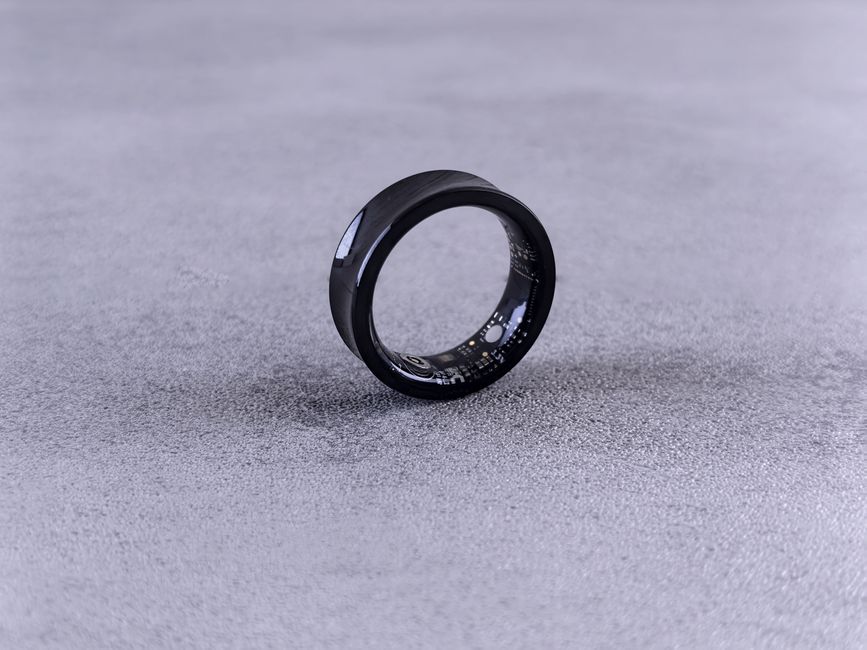
The Smart Ring Health Tracker: Your Pocket-Sized Wellness Companion
In the ever-evolving landscape of personal health technology, a new contender is quietly revolutionizing how we monitor our well-being: the smart ring health tracker. Moving beyond the wrist-worn dominance of smartwatches, these discreet and sophisticated devices offer a unique blend of advanced sensor technology and unobtrusive design, positioning themselves as the ultimate pocket-sized wellness companion. Forget bulky gadgets; imagine a sleek, comfortable ring that seamlessly integrates into your daily life, continuously gathering vital health data to empower you with unprecedented insights into your body.
The core appeal of a smart ring lies in its inherent discretion. Unlike a smartwatch that can be a constant visual reminder of technology, a smart ring often blends in with conventional jewelry, making it ideal for individuals who prefer a more subtle approach to health monitoring. This unobtrusiveness is not just about aesthetics; it fosters a more natural and less intrusive data collection experience. Worn on the finger, these rings provide a stable and consistent connection to your body’s signals, often leading to more accurate readings than wrist-based devices. The proximity to major arteries and the consistent contact with skin minimize movement artifacts that can plague other trackers.
At the heart of every smart ring are an array of sophisticated sensors, meticulously engineered to capture a comprehensive suite of physiological metrics. Foremost among these is the optical heart rate sensor. Utilizing photoplethysmography (PPG) technology, it emits light into the skin and measures the absorption and reflection of this light, which varies with blood flow. This allows for continuous monitoring of your heart rate, providing insights into resting heart rate, heart rate variability (HRV), and even potential irregularities. Elevated resting heart rates or significant deviations in HRV can be early indicators of stress, illness, or overtraining, enabling proactive adjustments to your lifestyle.
Beyond heart rate, smart rings excel at tracking sleep patterns. This is arguably where their pocket-sized nature truly shines. By continuously monitoring your heart rate, breathing rate, and body temperature throughout the night, they can accurately differentiate between sleep stages: light sleep, deep sleep, and REM sleep. Understanding your sleep architecture is crucial for optimizing recovery, cognitive function, and overall health. Many smart rings provide a “sleep score,” a digestible metric that summarizes the quality and duration of your sleep, along with personalized recommendations for improvement. Some advanced models even detect potential sleep disturbances like snoring or pauses in breathing, hinting at conditions like sleep apnea, which warrants further medical investigation.
Body temperature sensing is another key feature, offering a unique perspective on your internal state. Unlike spot-check thermometers, a smart ring provides continuous temperature monitoring, allowing for the detection of subtle fluctuations that can indicate the onset of illness, ovulation cycles in women, or even the body’s response to environmental changes. This real-time temperature data, when correlated with other metrics, can offer a more holistic view of your physiological status.
The ability to track blood oxygen saturation (SpO2) is increasingly becoming a standard feature. This vital metric reflects the amount of oxygen carried in your blood. Low SpO2 levels can be indicative of respiratory issues, altitude sickness, or strenuous physical activity. Continuous SpO2 monitoring, especially during sleep, can provide valuable insights into your respiratory health and overall well-being.
Activity tracking, while often associated with wrist-worn devices, is also a core function of smart rings. They accurately record steps taken, distance covered, and calories burned, providing a baseline understanding of your daily physical activity. Some advanced rings also incorporate activity intensity detection, distinguishing between moderate and vigorous exercise, allowing for more nuanced training insights. For athletes and fitness enthusiasts, this granular data can inform training load management, recovery protocols, and performance optimization.
The integration of these diverse data points into a user-friendly mobile application is what truly unlocks the power of the smart ring. These platforms act as your personal wellness dashboard, presenting complex physiological information in an easily understandable format. They typically offer personalized insights and actionable recommendations based on your unique data. For instance, if your HRV is consistently low, the app might suggest stress-reduction techniques or recommend more rest. If your sleep quality dips, it might offer tips on optimizing your sleep environment or pre-sleep routine. This proactive approach to health management is a significant departure from passive data collection.
Furthermore, smart rings are increasingly incorporating stress monitoring capabilities. By analyzing heart rate variability and other physiological signals, they can identify periods of heightened stress and provide real-time feedback, prompting you to engage in mindfulness exercises or take a break. This awareness of your stress levels throughout the day empowers you to develop healthier coping mechanisms and improve your overall mental well-being.
The design of smart rings is a testament to miniaturization and advanced engineering. They are typically crafted from durable and hypoallergenic materials like titanium, ceramic, or medical-grade stainless steel, ensuring comfort and longevity. The internal components are incredibly compact, housing the sensors, a small battery, and Bluetooth connectivity within a sleek, unobtrusive form factor. Battery life is a crucial consideration, and most smart rings offer several days of continuous use on a single charge, minimizing the need for frequent recharging.
The market for smart rings is rapidly expanding, with various brands offering different feature sets and price points. From basic activity and sleep trackers to advanced models with ECG capabilities (though less common in rings than watches), there’s a smart ring to suit a wide range of needs and budgets. As technology continues to advance, we can anticipate even more sophisticated features being integrated, such as continuous glucose monitoring (CGM) integration, non-invasive blood pressure monitoring, and enhanced sleep disorder detection.
While smart rings offer a compelling alternative to traditional wearables, it’s important to remember their limitations. They are not medical devices and should not be used for diagnosing or treating any medical condition. The data they provide should be considered as supplementary information to guide lifestyle choices and should always be discussed with a healthcare professional. However, for individuals seeking a discreet, comfortable, and data-rich way to understand and improve their health, the smart ring health tracker represents a significant leap forward, truly embodying the concept of a pocket-sized wellness companion.