Description: Learn exactly what a water heater is, how different types work, and how to choose the most efficient system for your home in this complete guide.
Imagine waking up on a crisp, frosty morning. You stumble into the bathroom, turn the faucet, and within seconds, a soothing stream of hot water washes away the sleep from your eyes. We often take this luxury for granted, but behind that simple turn of a handle lies one of the most hardworking appliances in your home.
But what is a water heater, exactly? Beyond being a metal cylinder in your basement or a sleek box on your wall, it is a sophisticated thermodynamic system designed to provide comfort, hygiene, and convenience. In this comprehensive guide, we will dive deep into the mechanics, types, and essential maintenance of water heaters to help you master your home’s energy efficiency.
Understanding the Fundamentals: What is a Water Heater?
At its most basic level, a water heater is a heat transfer device used to increase the temperature of water for domestic, commercial, or industrial use. In a residential setting, this hot water is vital for bathing, cleaning dishes, laundering clothes, and space heating.
The process involves taking cold water from your municipal supply or a private well and exposing it to a concentrated heat source. This source could be electricity, natural gas, propane, or even solar energy. Once heated, the water is either stored for later use or delivered instantly to your faucets.
The Significance of Water Heating in Modern Life
According to data from the U.S. Department of Energy, water heating is the second largest energy expense in the average home, accounting for approximately 18% of total utility bills. Understanding how this appliance functions is not just a matter of curiosity; it is a financial and environmental imperative for homeowners in Tier 1 countries like the USA, UK, Canada, and Australia.
The Anatomy of a Standard Water Heater
To truly answer “what is a water heater,” we must look at what’s inside. While technology varies, most traditional storage-tank systems share common components that work in harmony.
- The Tank: Usually made of heavy-duty steel with a glass lining to prevent corrosion.
- The Dip Tube: This tube directs cold water to the bottom of the tank, where it can be heated most efficiently.
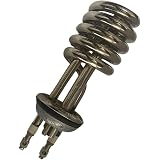
- The Heat Source: In electric models, these are immersion elements. In gas models, it is a burner located underneath the tank.
- The Thermostat: The brain of the operation, which monitors temperature and triggers the heating process when the water cools below a set point.
- The Anode Rod: Often called the “sacrificial rod,” this magnesium or aluminum component corrodes so the steel tank doesn’t—saving your appliance from a premature death.
- The T&P Valve (Temperature and Pressure Relief): A critical safety feature that prevents the tank from exploding if the pressure or temperature becomes dangerously high.
Major Types of Water Heaters Explained
The market has evolved significantly over the last decade. Choosing the right “what is a water heater” variant for your specific lifestyle can save you thousands of dollars over the appliance’s lifespan.
1. Conventional Storage Tank Water Heaters
This is the most common type found in North America. It keeps a reservoir of hot water (typically 30 to 80 gallons) ready at all times.
- Pros: Lower upfront cost, easy installation.
- Cons: “Standby heat loss” occurs as the water cools down while sitting, requiring the heater to cycle on even when you aren’t using water.
2. Tankless (On-Demand) Water Heaters
Unlike tanks, these units heat water only when a faucet is turned on. They use high-powered burners or electric coils to flash-heat the water as it flows through the unit.
- Pros: Nearly endless hot water, significant energy savings, and a compact, wall-mounted design.
- Cons: Higher initial investment and may require upgraded gas lines or electrical circuits.
3. Heat Pump (Hybrid) Water Heaters
These revolutionary units don’t generate heat directly. Instead, they move heat from the surrounding air into the water—much like a refrigerator working in reverse.
- Pros: Up to 3 times more efficient than standard electric heaters.
- Cons: Requires a specific amount of clearance space and a warm climate (or a warm basement) to function optimally.
4. Solar Water Heaters
Utilizing the power of the sun, these systems use roof-mounted collectors to absorb solar energy.
- Pros: Drastically reduces carbon footprint and utility costs in sunny regions.
- Cons: Expensive to install and usually requires a backup gas or electric system for cloudy days.
5. Point-of-Use (POU) Water Heaters
These are small units installed directly under a sink or near a shower. They eliminate the “wait time” for hot water to travel from a central tank through long pipes.
Comparison Table: Choosing the Right Technology
| Feature | Storage Tank | Tankless | Heat Pump (Hybrid) |
| Average Lifespan | 8–12 Years | 20+ Years | 10–15 Years |
| Initial Cost | $600 – $1,500 | $1,200 – $3,500 | $1,500 – $3,000 |
| Energy Efficiency | Low to Moderate | High | Excellent |
| Space Required | Large Footprint | Minimal (Wall Mount) | Large (Requires Airflow) |
| Best For | Budget-conscious | Large Families | Eco-conscious / High Utility Costs |
How Does a Water Heater Actually Work? (Technical Breakdown)
The physics of water heating relies on convection. When water is heated, it becomes less dense and rises. In a storage tank, the hot water sits at the top, ready to be pulled into your pipes, while the cold water is pumped into the bottom.
In a Gas Water Heater, a thermostat senses the temperature drop. It opens a gas valve and ignites a burner. The hot exhaust gases rise through a central flue, heating the surrounding water through the metal walls of the flue.
In an Electric Water Heater, the thermostat sends power to upper and lower heating elements. These elements act like giant versions of the coils in your toaster, getting red-hot and transferring that energy directly into the water.
Sizing Your System: How Much Capacity Do You Need?
A common mistake is buying a unit based solely on price without considering “First Hour Rating” (FHR). The FHR is a measure of how much hot water the heater can provide during a busy hour (like the morning rush when everyone is showering).
Quick Sizing Guide for Households:
- 1–2 People: 30–40 Gallon Tank (or a small tankless unit).
- 3–4 People: 40–50 Gallon Tank (or a medium tankless unit).
- 5+ People: 50–80 Gallon Tank (or a high-capacity “whole home” tankless unit).
Pro Tip: If you have a massive soaking tub or a high-flow rain showerhead, you must size up. A standard 40-gallon tank may be emptied by a single 15-minute shower from a high-flow head.
The Critical Importance of Maintenance
A water heater is a “set it and forget it” appliance—until it leaks and floods your home. Regular maintenance can double the life of your unit.
1. Flushing the Tank
Over time, minerals in your water (calcium and magnesium) settle at the bottom of the tank. This “sediment” acts as an insulator, making the heater work harder and eventually causing the bottom of the tank to overheat and crack. You should flush your tank once a year to remove this buildup.
2. Checking the Anode Rod
This is the most overlooked task. Every 3–5 years, check the sacrificial anode rod. If it’s eaten away, replace it for about $50. If you don’t, the water will start eating your tank instead.
3. Testing the T&P Valve
Briefly lift the lever on the pressure relief valve to ensure water flows out. If it’s stuck, your heater could potentially turn into a rocket if the thermostat fails.
Future Trends: Smart Water Heaters and Grid Integration
The “what is a water heater” conversation is shifting toward the Internet of Things (IoT). Smart water heaters now offer:
- Leak Detection: Automatically shuts off the water supply and alerts your phone if a leak is detected.
- Time-of-Use Scheduling: The heater can be programmed to heat water only when electricity rates are lowest (usually late at night).
- Vacation Mode: Easily lower the temperature via an app while you’re away, saving significant energy.
Conclusion: Investing in Your Home’s Heart
Understanding what is a water heater is the first step toward a more comfortable and cost-effective home. Whether you choose a traditional tank for its reliability, a tankless model for its efficiency, or a hybrid system for its environmental benefits, the goal remains the same: reliable, safe, and efficient access to hot water.
Don’t wait for your current unit to fail and leave you with an icy shower and a flooded basement. By being proactive with maintenance and choosing a system that matches your family’s specific needs, you are making a high-value investment in your property.
🚀 Take Action Today!
Is your water heater more than 10 years old? Does it make “popping” or “rumbling” sounds? These are early warning signs of failure. Schedule a professional inspection today or browse the latest Energy Star-rated models to start saving on your utility bills immediately. Your future self—and your wallet—will thank you!
Kenstar NEXO 5.9L |3000W Instant Water Heater | Vertical Mounting | RapidHeat Technology | 2 Yr Product & 5 Yr Tank Warranty | White
₹3,019.00 (as of September 21, 2026 07:12 GMT +05:30 - More infoProduct prices and availability are accurate as of the date/time indicated and are subject to change. Any price and availability information displayed on [relevant Amazon Site(s), as applicable] at the time of purchase will apply to the purchase of this product.)
TEKCOOL Geyser Water Heater 𝐋𝐈𝐌𝐈𝐓𝐄𝐃 𝐖𝐈𝐓𝐇 𝟏𝟓 𝐘𝐄𝐀𝐑𝐒 𝐖𝐀𝐑𝐑𝐀𝐍𝐓𝐘 Auto Cut Off Portable Instant Water Heater/Geyser for Kitchen, Bathroom, Office, Restaurant, Saloon & Parlor
₹1,149.00 (as of September 21, 2026 07:12 GMT +05:30 - More infoProduct prices and availability are accurate as of the date/time indicated and are subject to change. Any price and availability information displayed on [relevant Amazon Site(s), as applicable] at the time of purchase will apply to the purchase of this product.)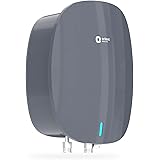
Orient Electric Instaflo Neo Geyser 3 Litre Instant Water Heater| Stainless Steel Tank| Red Dot Design Winner| High-rise Compatible| Shockproof, 6.5 Bar| 6 years tank warranty by Orient |Midnight Grey
₹3,099.00 (as of September 21, 2026 07:12 GMT +05:30 - More infoProduct prices and availability are accurate as of the date/time indicated and are subject to change. Any price and availability information displayed on [relevant Amazon Site(s), as applicable] at the time of purchase will apply to the purchase of this product.)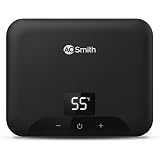
AO Smith Tankless Water Heater Zip Neo 5.5KW Instant Geyser with Smart Display (Black)
₹7,990.00 (as of September 21, 2026 07:12 GMT +05:30 - More infoProduct prices and availability are accurate as of the date/time indicated and are subject to change. Any price and availability information displayed on [relevant Amazon Site(s), as applicable] at the time of purchase will apply to the purchase of this product.)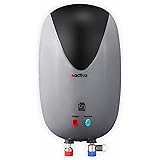
Activa 3 Liters Quick Water Heater Geyser, 3 KVA ISI Copper Element, 0.7mm Anti Rust Coated 304L Pure Stainless Steel Tank, Auto Cut-Off, ABS Body, BEE 5 Start Rated, 5 Year Warranty - Grey & Black
₹2,046.00 (as of September 21, 2026 07:12 GMT +05:30 - More infoProduct prices and availability are accurate as of the date/time indicated and are subject to change. Any price and availability information displayed on [relevant Amazon Site(s), as applicable] at the time of purchase will apply to the purchase of this product.)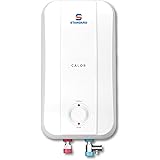
Havells Standard Calor 5 Litre Instant Water Geyser 3000 Watts | Stainless Steel Tank | Rust Proof Body | Automatic Cut Off, 2 Year Comprehensive Warranty (White) By Havells
₹3,629.00 (as of September 21, 2026 07:12 GMT +05:30 - More infoProduct prices and availability are accurate as of the date/time indicated and are subject to change. Any price and availability information displayed on [relevant Amazon Site(s), as applicable] at the time of purchase will apply to the purchase of this product.)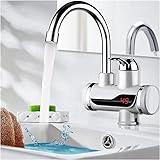
Instant Electric Water Heater Faucet – Tankless Hot Water Heater for Kitchen & Bathroom, Energy-Efficient with Adjustable Temperature Control
₹999.00 (as of September 21, 2026 07:12 GMT +05:30 - More infoProduct prices and availability are accurate as of the date/time indicated and are subject to change. Any price and availability information displayed on [relevant Amazon Site(s), as applicable] at the time of purchase will apply to the purchase of this product.)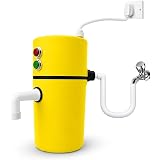
Drumstone 𝟏𝟓 𝐘𝐞𝐚𝐫𝐬 𝐖𝐚𝐫𝐫𝐚𝐧𝐭𝐲 Mini Portable Instant Water Geyser, Hot Cooler Heater, Electric Saving, Shock Proof for Home, Kitchen, Bathroom, Office, Restaurant, 1 L
₹1,759.00 (as of September 21, 2026 07:12 GMT +05:30 - More infoProduct prices and availability are accurate as of the date/time indicated and are subject to change. Any price and availability information displayed on [relevant Amazon Site(s), as applicable] at the time of purchase will apply to the purchase of this product.)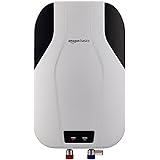
Amazon Basics 5.9L Instant Water Heater | 3KW | Geyser with PP Body & SS Tank | Corded Electric | Rust Proof | 4 Level Safety | White
₹2,799.00 (as of September 21, 2026 07:12 GMT +05:30 - More infoProduct prices and availability are accurate as of the date/time indicated and are subject to change. Any price and availability information displayed on [relevant Amazon Site(s), as applicable] at the time of purchase will apply to the purchase of this product.)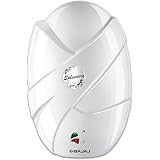
Bajaj Splendora 3L 3KW Vertical Instant Water Heater for Home | Geyser for Bathroom & Kitchen | High Grade SS Tank | Copper Heating Element | 5 Years Tank Warranty by Bajaj【White】
₹3,024.00 (as of September 21, 2026 07:12 GMT +05:30 - More infoProduct prices and availability are accurate as of the date/time indicated and are subject to change. Any price and availability information displayed on [relevant Amazon Site(s), as applicable] at the time of purchase will apply to the purchase of this product.)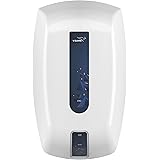
V-Guard Zio Geyser 5 Litre Instant Water Heater | Advanced Multi-Layered Safety | 3000 W Powerful Heating | Suitable For Kitchen & Bathroom | 5 Year Inner Tank Warranty by V-Guard | White-Blue
₹3,999.00 (as of September 21, 2026 07:12 GMT +05:30 - More infoProduct prices and availability are accurate as of the date/time indicated and are subject to change. Any price and availability information displayed on [relevant Amazon Site(s), as applicable] at the time of purchase will apply to the purchase of this product.)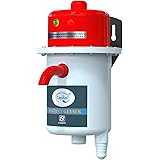
CAPITAL Instant Water Geyser 1 L | Portable Electric Water Heater with Auto Cut Off | Durable ABS Plastic Body | Fast Heating | 1-Year Warranty | Ideal for Home, Office, Kitchen & Restaurant
₹1,299.00 (as of September 21, 2026 07:12 GMT +05:30 - More infoProduct prices and availability are accurate as of the date/time indicated and are subject to change. Any price and availability information displayed on [relevant Amazon Site(s), as applicable] at the time of purchase will apply to the purchase of this product.)
V-Guard Fericio Geyser 3 Litre Instant Water Heater | Elegant Color Changing LED Rings | 3000 W Powerful Heating | Suitable For Kitchen & Bathroom | 5 Year Inner Tank Warranty by V-Guard | White
₹3,699.00 (as of September 21, 2026 07:12 GMT +05:30 - More infoProduct prices and availability are accurate as of the date/time indicated and are subject to change. Any price and availability information displayed on [relevant Amazon Site(s), as applicable] at the time of purchase will apply to the purchase of this product.)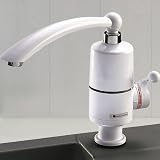
MINDALIGN 360° Rotating Instant Heating Electric Water Heater Faucet Tap, Electric Water Heating Faucet for Kitchen & Bathroom With Adjustable Temperature, Hot & Cold Kitchen Sink Tap (1 Pc)
₹1,299.00 (as of September 21, 2026 07:12 GMT +05:30 - More infoProduct prices and availability are accurate as of the date/time indicated and are subject to change. Any price and availability information displayed on [relevant Amazon Site(s), as applicable] at the time of purchase will apply to the purchase of this product.)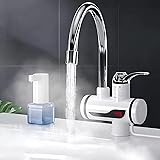
iNsTaNt eLeCtRiC HoT WaTeR TaP, eAsY InStAlLaTiOn, 3 SeCoNdS RaPiD HeAtInG, sMaRt tEmP DiSpLaY, eLeCtRiC HoT WaTeR FaUcEt fOr kItChEn bAtHrOoM
₹1,299.00 (as of September 21, 2026 07:12 GMT +05:30 - More infoProduct prices and availability are accurate as of the date/time indicated and are subject to change. Any price and availability information displayed on [relevant Amazon Site(s), as applicable] at the time of purchase will apply to the purchase of this product.)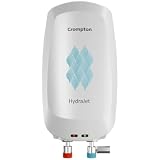
Crompton HydraJet 3-L Instant Water Heater with free Installation and Pipe (White)
₹3,349.00 (as of September 21, 2026 07:12 GMT +05:30 - More infoProduct prices and availability are accurate as of the date/time indicated and are subject to change. Any price and availability information displayed on [relevant Amazon Site(s), as applicable] at the time of purchase will apply to the purchase of this product.)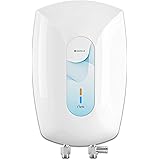
Havells Carlo 3 Litre Instant Water Heater(Geyser)|Heavy Duty Heating Element|SS 304 L Inner Tank|Bi-color Indicator|High Working Pressure|Rust & shock Proof Body|5 Year Tank Warranty
₹3,090.00 (as of September 21, 2026 07:12 GMT +05:30 - More infoProduct prices and availability are accurate as of the date/time indicated and are subject to change. Any price and availability information displayed on [relevant Amazon Site(s), as applicable] at the time of purchase will apply to the purchase of this product.)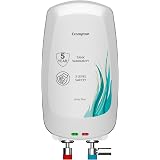
Crompton Arno Neo 5 Litre Instant Water Heater | 3 kW Heating Element | Food Grade SS Tank | 6 Bar Pressure Rated | Advanced 3-Level Safety | 5 Years Tank Warranty
₹3,899.00 (as of September 21, 2026 07:12 GMT +05:30 - More infoProduct prices and availability are accurate as of the date/time indicated and are subject to change. Any price and availability information displayed on [relevant Amazon Site(s), as applicable] at the time of purchase will apply to the purchase of this product.)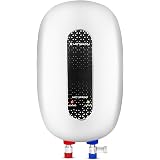
Longway Hotspring 3 Litres Instant Water Heater | Advanced Multi-Layered Safety | 3000 W Powerful Heating | Suitable For Kitchen & Bathroom | 5 Years Warranty on Tank | Off-White
₹1,999.00 (as of September 21, 2026 07:12 GMT +05:30 - More infoProduct prices and availability are accurate as of the date/time indicated and are subject to change. Any price and availability information displayed on [relevant Amazon Site(s), as applicable] at the time of purchase will apply to the purchase of this product.)